The Hidden Structural Cause of Facial Aging Most Patients Never Hear About
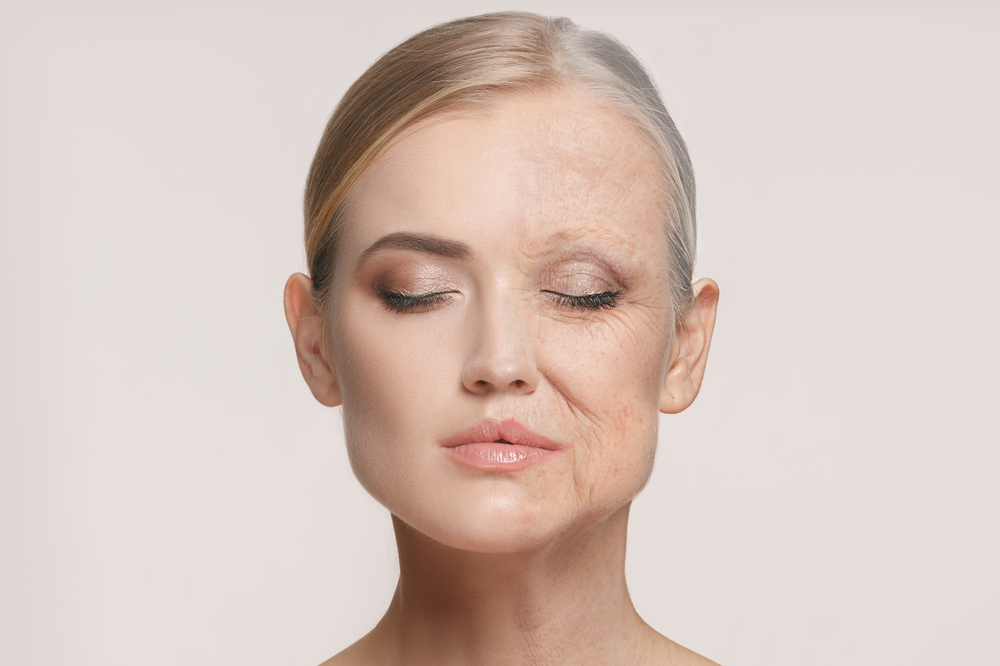
Most people believe facial aging is caused primarily by wrinkles and loose skin. In reality, some of the most important age-related facial changes occur much deeper beneath the surface. One of the true driving forces behind facial aging is gradual loss and remodeling of the facial skeleton itself.
As the bones of the face slowly recede with age, the soft tissues lose their structural foundation. The cheeks flatten, the jawline weakens, the eyes appear more hollow, and the lower face begins to sag. This process, known as facial bone resorption, is one of the most important concepts in modern facial rejuvenation surgery.
According to double board certified Facial Plastic Surgeon, Dr. Shervin Naderi, understanding skeletal aging is essential for achieving natural facelift results. Highly experienced with over 20 years of facial aesthetic surgery experience Dr. Naderi takes the time to educate patients on the causes of facial aging.
“The face ages from the inside out,” says Dr. Naderi. “Patients often think aging is only about skin laxity, but the underlying architecture of the face changes dramatically over time. If you don’t understand those structural changes, you cannot create truly elegant facial rejuvenation.”
At The Naderi Center for Plastic Surgery and Dermatology, facial rejuvenation is approached through a deep understanding of anatomy, facial support structures, fat compartment descent, ligament laxity, and skeletal aging. This sophisticated anatomical philosophy has helped position Dr. Naderi as one of the leading facelift surgeons in the Washington, DC, Maryland and Northern Virginia region.
What Is Facial Bone Loss?
Facial bone loss refers to the gradual resorption and remodeling of the facial skeleton that occurs naturally with aging. Beginning subtly in the 30s and becoming more pronounced over time, the bones of the face slowly lose projection and structural support.
The areas most affected include the eye sockets, cheekbones, upper jaw, jawline, and chin. As these structures change, the overlying soft tissue no longer has the same support it once did in youth. This contributes to sagging, hollowing, jowling, and the overall collapse of youthful facial contours.
In simple terms, the facial skeleton acts as the framework of the face. When that framework diminishes, the tissues above it begin to descend. This is why patients may notice flattening of the cheeks, deeper smile lines, hollow eyes, or loosening along the jawline even before severe wrinkles appear.
One of the most important realizations in modern facial plastic surgery is that aging is not simply a skin problem. It is a structural problem involving bone, fat, ligaments, muscle, and skin aging simultaneously.
The Science Behind Facial Bone Resorption
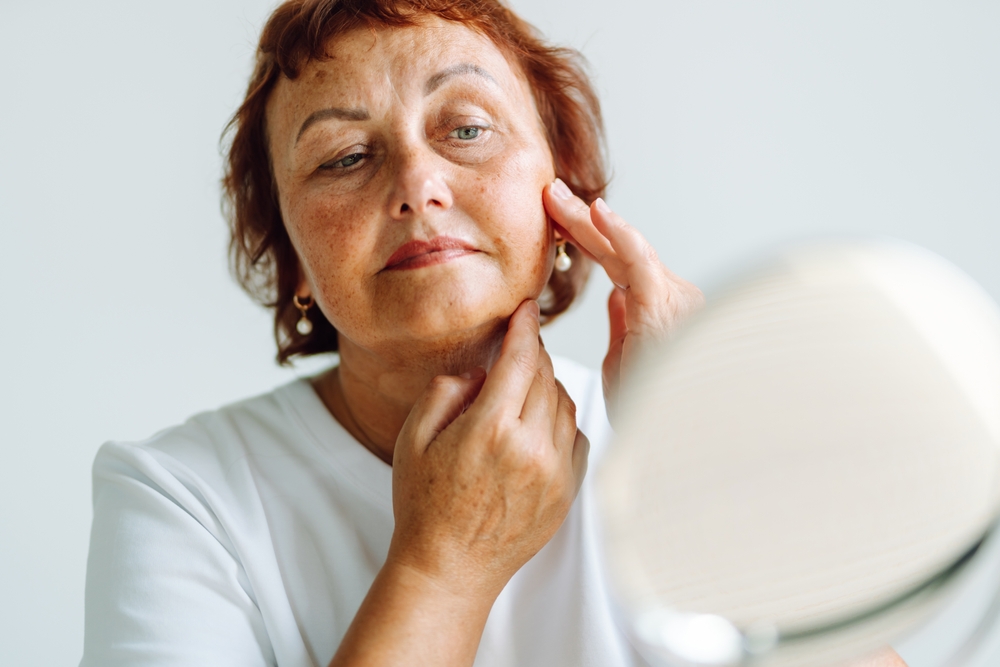
Bone is living tissue that continuously remodels throughout life. As we age, the balance between bone formation and bone breakdown changes. Over time, bone density decreases and facial projection slowly diminishes.
These skeletal changes alter the support system of the face. Facial ligaments weaken, fat compartments descend, and skin laxity becomes more noticeable because the deeper structures beneath them have changed.
Factors that influence facial bone loss include genetics, hormonal changes, collagen depletion, chronic sun exposure, smoking, inflammation, osteoporosis, and weight fluctuations. While everyone experiences facial skeletal aging to some degree, the severity and timing vary significantly between individuals.
What makes this concept so important in facial rejuvenation is that it explains why simply tightening skin often fails to create truly natural results. If the underlying support system has changed, rejuvenation must address deeper structural anatomy rather than surface tissues alone.
How Bone Loss Changes the Eye Area
One of the earliest places skeletal aging becomes visible is around the eyes. The orbital bones gradually enlarge and recede with age, changing the shape and support of the eyelids and brows.
As this occurs, patients begin to notice hollowing beneath the eyes, increased visibility of fat pads, dark circles, and a tired appearance. The brow may appear heavier while the lower eyelids become longer and more hollow.
Many patients assume they simply have “bags” under the eyes, but according to Dr. Naderi, the deeper issue is often loss of structural support around the orbit itself.
“Aging around the eyes is rarely just excess skin,” says Dr. Naderi. “There are profound structural changes occurring in the orbital skeleton that contribute to hollowing and tissue descent.”
This is why advanced facial rejuvenation often combines lower eyelid surgery with volume restoration techniques such as fat grafting, PRF injections, or under-eye rejuvenation strategies designed to restore youthful contours more naturally.
Midface Bone Loss and Cheek Flattening
The midface undergoes some of the most significant skeletal changes during aging. Over time, the cheekbones and upper jaw gradually retrude, reducing support for the overlying soft tissues.
This contributes to flattening of the cheeks, deepening of the nasolabial folds, and descent of the midface. Patients often describe looking tired, heavy, or sad even when they feel energetic and healthy.
These structural changes are one reason why overfilling the cheeks with injectable filler can sometimes create unnatural results. While filler may temporarily camouflage volume loss, it does not reposition descended tissues or restore the deeper architecture of the face.
“Aging is not simply a volume deficiency,” explains Dr. Naderi. “It is a structural and positional change. You must restore support while also repositioning tissue naturally.”
This principle is central to deep plane facelift surgery, which addresses the deeper facial layers responsible for natural contour and movement.

Address early signs of aging with confidence
A personalized consultation can help you explore subtle facial rejuvenation before changes become more advanced. Visit us at our Reston and Chevy Chase offices.
Why Bone Loss Contributes to Jowls and Jawline Aging
One of the most dramatic changes associated with skeletal aging occurs along the jawline. As the mandible loses definition and projection over time, the lower face loses support.
The jawline begins to soften, the prejowl area hollows, and sagging tissue accumulates along the lower face. The neck also loses youthful definition as the support structures beneath it weaken.
Patients often believe jowls are caused solely by loose skin, but the reality is far more complex. Jowling involves a combination of bone resorption, descending fat compartments, ligament laxity, platysma muscle changes, and skin laxity.
This is why superficial skin tightening alone frequently produces disappointing or unnatural results. Truly elegant rejuvenation requires understanding all layers of facial aging simultaneously.
How Deep Plane Facelift Surgery Addresses Structural Aging
Modern deep plane facelift surgery evolved largely because surgeons began to understand that aging occurs beneath the skin rather than only at the surface.
Unlike traditional skin-only facelifts, a deep plane facelift repositions deeper facial tissues beneath the SMAS layer. This allows the surgeon to elevate descended structures naturally while restoring youthful facial contours without excessive tension on the skin itself.
The result is often a more natural, longer-lasting rejuvenation with improved midface elevation, jawline definition, and neck contour.
Perhaps most importantly, deep plane facelift surgery respects natural facial movement and avoids the over-pulled appearance that patients fear.
“The best facelift results should never look obvious,” says Dr. Naderi. “Patients should simply look healthier, more rested, and naturally refreshed.”
Understanding skeletal aging is one reason advanced facelift surgeons increasingly favor deep plane techniques over older skin-tightening approaches.
Deep Plane Facelift vs Traditional Skin-Only Facelift
| Feature | Deep Plane Facelift | Traditional Facelift |
| Repositions deeper tissues | Yes | Limited |
| Addresses midface descent | Significantly | Minimally |
| Skin tension | Minimal | Higher |
| Natural facial movement | Preserved | Can appear tight |
| Structural rejuvenation | Comprehensive | Superficial |
| Longevity of results | Longer-lasting | Often shorter |
Why Some Facelift Patients Look “Overdone”
One of the biggest misconceptions in facial plastic surgery is that tighter automatically means younger. In reality, unnatural facelift results often occur when surgeons fail to appreciate the deeper structural changes of aging.
If a surgeon ignores bone loss, fat redistribution, ligament weakening, and facial proportions, excessive skin tightening can create a windswept or artificial appearance.
The cheeks may appear flat, the jawline unnatural, and facial expression distorted. These results are often the consequence of treating aging as a surface problem rather than a complex anatomical process.
“Natural facelift surgery requires restraint and anatomical sophistication,” says Dr. Naderi. “The goal is not to change someone’s identity. The goal is to restore harmony and youthful structure while preserving who they are.”
Can Facial Bone Loss Be Reversed?
Facial skeletal aging cannot be fully reversed naturally, but modern facial rejuvenation techniques can restore structural support and improve youthful balance.
Deep plane facelift surgery can reposition descended tissues while restoring natural facial contours. Facial fat grafting can replace age-related volume loss using the patient’s own tissue. Biostimulatory injectables such as Sculptra may stimulate collagen production and improve structural support over time.
For some patients, chin augmentation or jawline enhancement may improve lower facial projection and balance. Laser resurfacing technologies such as UltraClear can also improve skin quality and collagen remodeling, complementing structural rejuvenation.
At The Naderi Center, treatment plans are highly individualized based on each patient’s skeletal anatomy, facial proportions, tissue descent, skin quality, and long-term aesthetic goals.

The Future of Facial Rejuvenation Is Anatomical
Modern facial rejuvenation has evolved far beyond simply tightening loose skin. Today’s most sophisticated facelift surgeons understand that aging is a three-dimensional structural process involving bone, fat, ligaments, muscle, and skin simultaneously.
This deeper anatomical understanding has transformed facelift surgery.
The modern goal is no longer to create a tighter face. The goal is to restore youthful structure naturally while preserving facial identity, elegance, and movement.
This philosophy increasingly separates elite facial rejuvenation from outdated facelift techniques that often produce artificial or overdone outcomes.
Dr. Shervin Naderi’s Philosophy on Natural Facial Rejuvenation
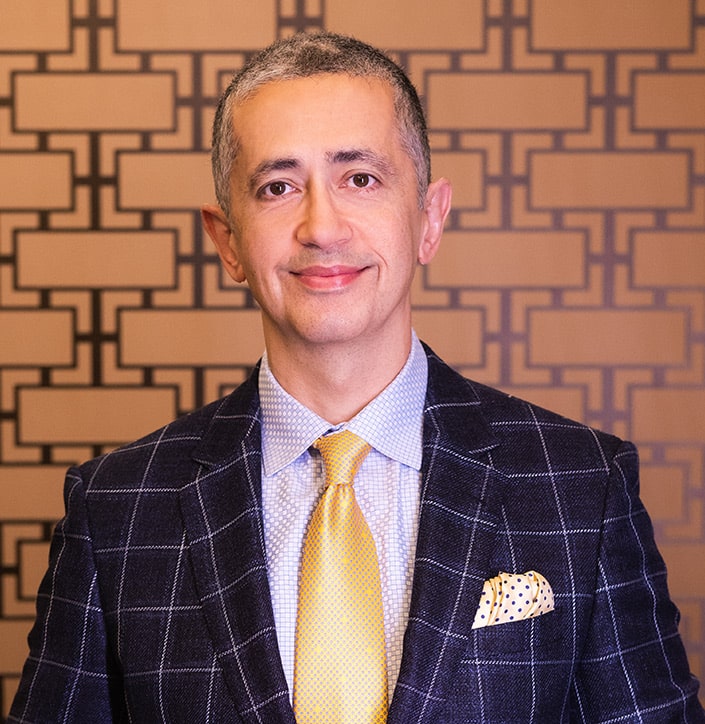
With nearly two decades of experience devoted exclusively to facial aesthetics, Dr. Shervin Naderi has developed a reputation for sophisticated, natural-looking facelift surgery that prioritizes anatomical precision and facial harmony.
Patients frequently seek Dr. Naderi for his expertise in:
- Deep plane facelift surgery
- Revision facelifts
- Midface rejuvenation
- Neck rejuvenation
- Facial balancing
- Structural facial aging
Known for his nuanced understanding of facial anatomy, Dr. Naderi emphasizes elegant rejuvenation rather than exaggerated transformation.
“The most beautiful facelift results are the ones nobody notices,” says Dr. Naderi. “People simply think you look vibrant, healthy, and refreshed.”
This commitment to natural outcomes has made The Naderi Center a destination for patients seeking refined facial rejuvenation in the Washington, DC and Northern Virginia area.
Frequently Asked Questions About Bone Loss and Facial Aging
Schedule a Consultation at The Naderi Center
If you are noticing jowling, facial sagging, hollowing beneath the eyes, or loss of jawline definition, a personalized consultation can help determine the true anatomical causes of your facial aging.
At The Naderi Center every facial rejuvenation plan is customized around facial structure, tissue support, skin quality, and long-term aesthetic balance.
Whether you are considering a deep plane facelift, neck lift, facial fat grafting, laser resurfacing, or non-surgical rejuvenation, Dr. Naderi and his team focus on creating refined, elegant outcomes that never appear overdone.
Why Patients Trust Dr. Shervin Naderi for Deep Plane Facelift Surgery
Facelift surgery is not simply about tightening skin. It is about understanding the intricate relationship between bone structure, facial ligaments, fat compartments, muscles, and soft tissue aging.
With nearly 20 years of experience devoted exclusively to facial aesthetics, Dr. Shervin Naderi is recognized for his sophisticated understanding of facial anatomy and his commitment to natural, anatomically balanced rejuvenation.
His approach reflects the future of elite facial plastic surgery: structural restoration, deep anatomical precision, preservation of facial identity, and elegant long-term outcomes that age gracefully over time.
For patients seeking sophisticated, natural facial rejuvenation in the Washington, DC and Northern Virginia area, The Naderi Center has become a destination for advanced deep plane facelift surgery and comprehensive facial rejuvenation expertise.