Choosing a facelift surgeon is a major part of your facial rejuvenation journey.
A facelift is a process customized for each individual. The procedure requires that a surgeon understand facial anatomy, how tissues age, physical proportions and aesthetics. Two surgeons can use similar methods, but the results may still look different. That is because the final look depends on choices made during the surgery, the surgeon’s experience, and the way they view facial shape.
People often spend weeks or months looking at facelift techniques. They compare before-and-after pictures and read patient comments. That time is useful, but the key point is usually not:
“Which facelift technique should I choose?”
The more important question is:
“Who is the right surgeon to perform this procedure on my face?”

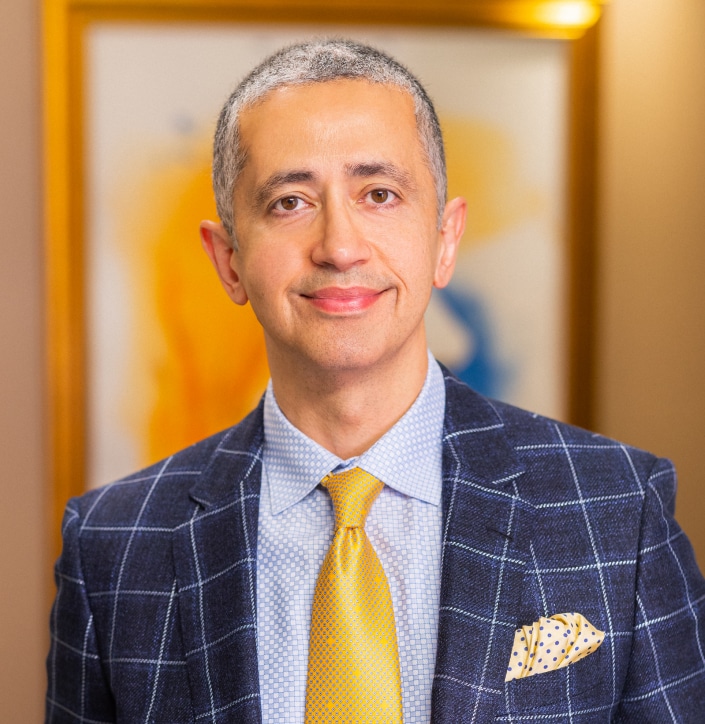
According to Dr. Shervin Naderi, facial plastic surgeon specializing in advanced facial rejuvenation and deep plane facelift surgery:
“A facelift is one of the most personalized procedures in plastic surgery. There is no universal facelift that works for every patient. The surgeon must understand how your face has aged, what structures have changed, and how to restore balance while preserving your identity.”
For patients throughout the Washington, DC metropolitan area, including Reston, McLean, Great Falls, Vienna, Arlington, Alexandria, Bethesda, Chevy Chase, Potomac, and Rockville, finding the right facial plastic surgeon begins with asking the right questions.
Key Takeaways
- Choosing a facelift surgeon matters as much as the procedure itself.
- You should look for board certification, a solid history in facial surgery and photos that show results that look natural.
- During your visit, ask specific things about how the work is done, how safety is handled, what recovery is like, and what happens if a problem occurs.
- Dr. Shervin Naderi creates a plan made for your own needs. The goal is to help your face keep its natural identity.
- A good consultation helps you see if the surgeon fits what you want. You can compare their experience, their philosophy, and the plan they recommend.
1. Is the Surgeon Board Certified in Plastic Surgery or Facial Plastic Surgery?
The first step in evaluating any surgeon is understanding their training and credentials.
Patients should look for surgeons who have completed extensive surgical training and maintain board certification through recognized medical boards.
A surgeon’s education and credentials matter because facial surgery requires a deep understanding of:
- Facial anatomy
- Surgical technique
- Wound healing
- Complication management
- Facial proportions
- Aesthetic judgment
Facelift surgery is particularly unique because the face contains delicate structures, including branches of the facial nerve that control movement.
Training and experience specifically involving facial procedures are important considerations when choosing a surgeon.
2. How Much of the Surgeon’s Practice Is Dedicated to Facial Surgery?
Not all cosmetic surgeons have the same focus.
Some surgeons perform many different procedures throughout the body, while others dedicate their practice primarily to the face.
A facial specialist spends years studying:
- Facial aging patterns
- Rhinoplasty
- Eyelid surgery
- Facelift techniques
- Neck rejuvenation
- Facial harmony
This concentrated experience can be valuable because facial rejuvenation requires precision and an understanding of subtle differences between patients.
A facelift is not simply about removing excess skin. It is about understanding why a face appears older and creating a correction that looks natural.
3. Does the Surgeon Have Extensive Experience Performing Facelifts?
Experience matters tremendously in facelift surgery.
Patients should ask:
- How frequently do you perform facelifts?
- How many years have you focused on facial rejuvenation?
- What facelift techniques do you commonly perform? Can you show examples of patients with facial characteristics similar to mine?
Before-and-after photos are particularly important because they allow patients to evaluate:
- Naturalness of results
- Incision quality
- Facial balance
- Neck improvement
- Consistency of outcomes
Patients should look beyond dramatic “after” photos and focus on whether results appear authentic and appropriate for the individual.
4. Does the Surgeon Understand Deep Plane Facelift Surgery?
The deep plane facelift has become increasingly discussed because many patients are seeking more natural and anatomically based rejuvenation.
However, the term itself has become widely used, and patients should understand that performing a true deep plane facelift requires advanced knowledge of facial anatomy and surgical technique.
Patients considering this approach should ask:
- What exactly does your deep plane technique involve?
- How frequently do you perform deep plane facelifts?
- Why do you recommend this approach for my anatomy?
- How does it differ from other facelift techniques?
The best surgeons do not recommend a technique because it is popular; they recommend it because it is appropriate.
Dr. Naderi explains:
“The procedure name is only one part of the equation. The surgeon’s ability to analyze the face, understand anatomy, and execute the technique safely is what determines the quality of the result.”
5. Can the Surgeon Explain Why You Are a Candidate for a Facelift?
A good consultation should feel educational, not like a sales appointment.
The surgeon should explain:
- What changes are occurring in your face
- Which tissues have descended
- Whether your concern is volume loss, skin laxity, or both
- Which procedures may or may not benefit you
A surgeon should also be comfortable telling a patient when they are not ready for surgery.
Sometimes the best recommendation is:
- Waiting
- Continuing skincare
- Considering laser treatment
- Using conservative injectables
- Addressing another concern first
Trust is built when a surgeon prioritizes the patient’s goals rather than simply recommending a procedure.
6. Does the Surgeon Create Natural-Looking Results?
One of the greatest fears patients have is looking “done.”
The best facelift results are usually not obvious. They restore youthfulness while maintaining facial identity.
A natural facelift should preserve:
- Facial expression
- Individual characteristics
- Ethnic features
- Appropriate proportions
- Normal movement
Warning signs include results that appear:
- Overly tight
- Pulled at the corners of the mouth
- Unnaturally smooth
- Disproportionate to the patient’s age
The goal is rejuvenation, not transformation into someone else.
Facelift Before & After
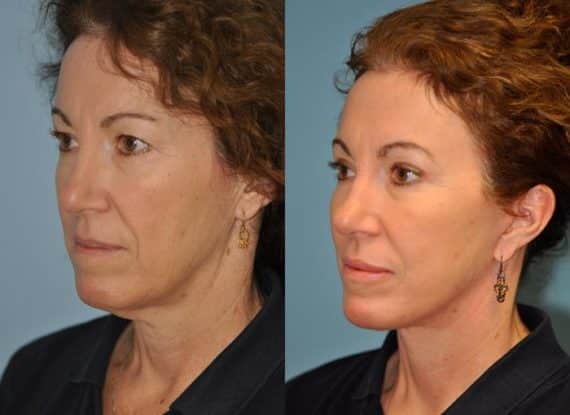
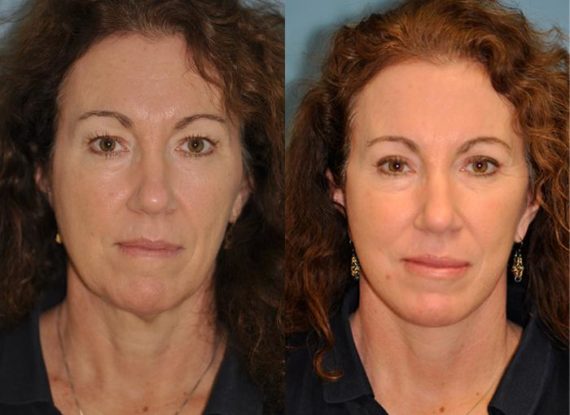
*Results vary from patient to patient

Choose a Surgeon You Feel Confident With
Schedule a consultation with Dr. Naderi to discuss your priorities, concerns, and vision for facial rejuvenation.
7. Where Is the Surgery Performed?
Safety is an essential part of cosmetic surgery.
Patients should ask:
- Where will my surgery take place? Is the facility accredited?
- Who provides anesthesia? Will there be qualified medical personnel monitoring me?
A beautiful result is only meaningful when it is achieved safely.
Many patients underestimate the importance of the surgical environment and anesthesia team when choosing a surgeon.
8. What Is the Surgeon’s Approach to Recovery?
Recovery is a major part of the facelift experience.
A thorough consultation should explain:
- Expected swelling
- Bruising timeline
- Activity restrictions
- Incision care
- Follow-up schedule
- When you can return to work and social activities
Patients should understand that facelift results evolve gradually.
Immediately after surgery, swelling can temporarily hide the final result. Over the following weeks and months, tissues settle and definition improves.
An experienced surgeon should prepare patients emotionally as well as physically for recovery.
9. What Happens If a Complication Occurs?
Although facelift surgery has a high satisfaction rate when performed appropriately, patients should understand that every surgery carries potential risks.
A responsible surgeon should openly discuss:
- Bleeding
- Infection
- Scarring
- Temporary numbness
- Healing issues
- Facial nerve concerns
- Asymmetry
Patients should be cautious of any surgeon who promises perfection or claims complications never happen.
Honest communication is a sign of experience.
10. Do You Feel Comfortable and Confident With the Surgeon?
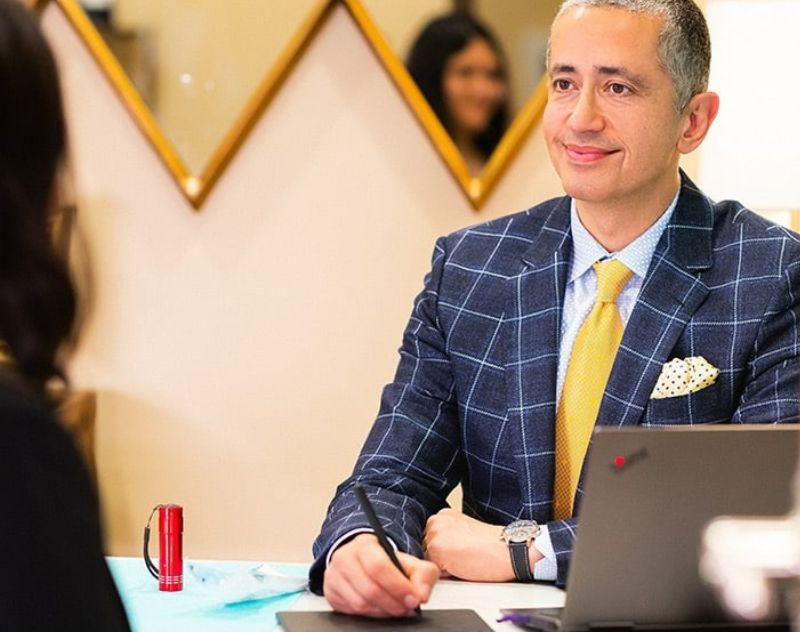
Perhaps the most overlooked factor is the relationship between patient and surgeon.
A facelift requires trust.
During consultation, patients should feel:
- Heard
- Educated
- Comfortable asking questions
- Confident in the surgeon’s recommendations
The right surgeon should understand not only what you want to change, but what you want to preserve.
Red Flags to Consider When Choosing a Facelift Surgeon
Patients should be cautious if they encounter:
- Guaranteed results
- Pressure to schedule immediately
- Extremely low pricing compared with experienced surgeons
- Limited before-and-after photos
- Lack of discussion about risks
- Focus on technology or marketing rather than anatomy
- A one-size-fits-all approach
Facelift surgery is not an area where shortcuts usually lead to better outcomes.
The Importance of Choosing a Facial Specialist in the Washington, DC Area
Patients in Reston, McLean, Great Falls, Vienna, Arlington, Alexandria, Bethesda, Chevy Chase, Potomac, and nearby areas can usually find a cosmetic surgeon if they are looking for a facelift.
Choosing a Surgeon Who Prioritizes Natural Results
Finding a doctor who does facelifts is not the main problem. The challenge is meeting a professional who truly understands the art and anatomy of the face, so the final result looks natural.
The top facelift surgeon is not always the one who talks up the biggest transformation. What matters more is the surgeon who knows how to create the right change for you.
As Dr. Naderi summarizes:
“The goal of facial rejuvenation is not to make someone look like they had surgery. The goal is to restore confidence by helping patients look as youthful, refreshed, and natural as possible.”
A successful facelift begins long before the operating room. It begins with choosing a surgeon whose philosophy, experience, and approach align with your goals.
To take the next step in your facial rejuvenation journey, schedule a consultation with Dr. Shervin Naderi to discuss your goals and determine the most appropriate approach for you.
About Dr. Shervin Naderi
Dr. Shervin Naderi, MD, FACS, is a double board-certified facial plastic and reconstructive surgeon and founder of The Naderi Center for Plastic Surgery and Dermatology. With more than 25 years of experience focused on facial plastic surgery, he specializes in procedures such as facelift surgery and rhinoplasty, with an emphasis on individualized treatment plans and natural-looking results that preserve each patient’s unique features.