What Patients Can Realistically Expect After Surgery — From Early Swelling to Seeing Their Final Result
One of the first questions patients ask when considering a deep plane facelift is not necessarily about the surgery itself.
It is about recovery.
“How swollen will I be?”
“When will I look normal again?”
“How long before I can go out socially?”
“Is deep plane facelift recovery painful?”
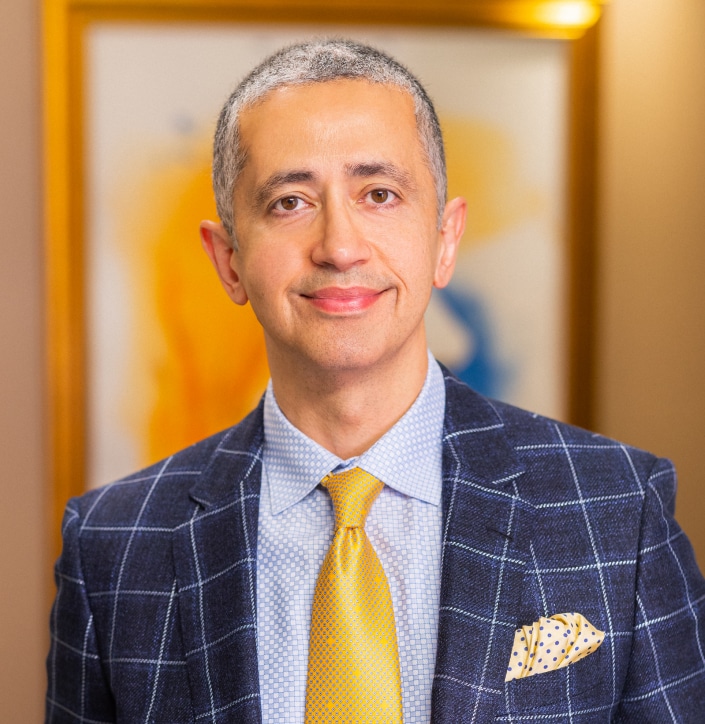
At The Naderi Center for Plastic Surgery and Dermatology, Dr. Shervin Naderi believes recovery education is one of the most important parts of the surgical process. With more than 20 years devoted exclusively to aesthetic facial plastic surgery, Dr. Naderi emphasizes that understanding the healing timeline ahead of surgery dramatically reduces anxiety and helps patients approach recovery with confidence and realistic expectations.

“One of the biggest misconceptions patients have is thinking facelift recovery should be judged day by day,” says Dr. Naderi. “Facial healing happens in phases. Once patients understand the rhythm of that process, recovery becomes far less emotionally stressful.”
The reality is that modern deep plane facelift recovery is often significantly easier than patients anticipate. While swelling, bruising, and temporary tightness are normal parts of healing, most patients are surprised by how quickly they begin looking socially presentable again, particularly when surgery is performed meticulously and tissues are handled with precision.
Still, facelift recovery is not instantaneous.
Healing after a deep plane facelift is a gradual biological process that unfolds over weeks and months. The most dramatic swelling resolves relatively early, but subtle refinement continues long after patients begin feeling like themselves again.
Understanding that progression is essential because many patients become unnecessarily anxious simply by expecting healing to happen faster than human biology allows.
Key Takeaways
- Deep plane facelift recovery happens gradually over several weeks and months.
- Most people report tightness, puffiness and soreness instead of really intense pain.
- The first week is often the most visibly swollen period, and also the most emotionally hard to handle, for a lot of patients.
- Many patients feel socially presentable within two to three weeks.
- Dr. Shervin Naderi emphasizes patient education to help reduce anxiety during recovery.
Why Deep Plane Facelift Recovery Is Unique
The deep plane facelift differs from older facelift techniques because it addresses aging at a deeper anatomical level.
Rather than simply tightening skin, the procedure repositions the deeper facial support structures responsible for youthful contour and definition. By releasing and elevating descended facial tissues more comprehensively, the deep plane technique often creates results that appear softer, more natural, and longer lasting than traditional skin-tightening approaches.
Because deeper structures are being repositioned, recovery involves healing beneath the surface as tissues gradually settle into their new position.
Surprisingly, however, this does not necessarily mean recovery is dramatically more painful.
“Most patients describe facelift recovery as tightness and swelling rather than severe pain,” explains Dr. Naderi. “In experienced hands, discomfort is usually very manageable.”
Modern anesthesia protocols, refined surgical techniques, and meticulous tissue handling have transformed facelift recovery compared to what patients often imagine from procedures performed decades ago.
The First 24 Hours: Rest, Tightness, and Early Healing
The first day after surgery is primarily focused on rest and stabilization.
Patients typically experience:
- facial tightness,
- swelling
- mild pressure
- fatigue as anesthesia wears off.
Certain areas of the face may feel numb while others feel swollen or stiff, which reflects both temporary nerve irritation and postoperative inflammation.
Emotionally, many patients are relieved during this phase because they realize the recovery is often less painful than they feared beforehand.
“Patients are frequently surprised that recovery feels more uncomfortable than painful,” says Dr. Naderi. “The anticipation beforehand is often worse than the actual postoperative experience.”
Most patients spend the first evening resting with their head elevated to minimize swelling. The face often feels very tight initially, particularly around the jawline and neck, but this sensation gradually softens as healing progresses.
At this stage, appearance is not yet meaningful. The face is swollen, the tissues are inflamed, and the body is simply beginning the earliest stages of recovery.
Week One: The Most Socially Challenging Phase
The first week is typically the most emotionally difficult part of facelift recovery.
Swelling and bruising generally peak during the first several days before slowly beginning to improve. The jawline often appears fuller than expected, the cheeks may look puffy, and the neck can feel unusually tight or stiff. Temporary asymmetry caused by uneven swelling is also extremely common.
This is often the point where patients question whether their recovery is normal.
According to Dr. Naderi, it almost always is.
“The first week is not the time to evaluate your result,” he explains. “At this stage, the tissues are swollen and actively healing. What patients are seeing is recovery, not the final outcome.”
Even though patients may still look visibly postoperative during this period, many begin noticing subtle early improvements beneath the swelling. The jawline often already appears more structurally defined, and the heavy lower face contour that existed before surgery frequently begins disappearing surprisingly early.
Still, patience is critical.
The face heals slowly because facial tissues are extraordinarily delicate and complex.
Week Two: The Turning Point
For many patients, the second week represents a major emotional shift.
Bruising often fades dramatically during this period, and swelling begins transitioning from obvious postoperative fullness to more subtle residual puffiness. Most patients feel significantly more comfortable physically and emotionally compared to the first week.
Many are able to return to remote work, social dinners, video meetings, or limited public activities with makeup and hairstyling.
Importantly, however, swelling is still very present beneath the surface.
The cheeks may continue looking slightly fuller than expected. The jawline can fluctuate from day to day. Some mornings the face appears significantly more swollen than others, which can feel frustrating for patients expecting perfectly linear improvement.
“Healing is never perfectly consistent,” says Dr. Naderi. “Patients often have good days and bad days during recovery. Temporary swelling fluctuations are completely normal.”
This phase is also when many patients begin realizing how natural the underlying rejuvenation already appears, even before healing is complete.
Weeks Three and Four: Looking More Like Yourself Again
By the third and fourth weeks, most patients begin looking substantially more like themselves.
The swelling continues decreasing steadily, facial contours sharpen, and the jawline becomes increasingly refined. Makeup can usually conceal any remaining discoloration, and many patients feel comfortable returning fully to social activities without drawing attention to surgery.
Internally, however, the tissues are still healing extensively.
The cheeks may retain mild firmness. The neck can continue feeling tight or slightly stiff. Certain facial expressions may feel subtly unfamiliar as swelling continues resolving and tissues soften naturally over time.
“One of the biggest mistakes patients make is assuming they are fully healed at one month,” explains Dr. Naderi. “Biologically, the tissues are still undergoing extensive remodeling beneath the surface.”
This is one reason facelift results continue improving for many months after surgery.
The external recovery often happens much faster than the deeper anatomical healing.
Months Two to Three: When the Result Begins Looking Effortless
Around two to three months after surgery, patients often begin appreciating their results on an entirely different level.
Most residual swelling has resolved. Facial movement feels increasingly natural. The jawline appears sharper, the neck smoother, and the overall facial architecture more youthful without looking “done.”
This is often the stage when friends and family begin commenting that patients look refreshed, rested, or healthier without necessarily identifying surgery itself.
For Dr. Naderi, this subtlety is one of the defining characteristics of sophisticated facial rejuvenation.
“The best facelift results become increasingly invisible over time,” he says. “Patients should never look pulled or artificial. The face should simply appear naturally rejuvenated.”
By this stage, many patients feel emotionally reconnected to their appearance again. The recovery process fades into the background, and the rejuvenation itself begins feeling integrated into their identity.
Months Four Through Six: The Refinement Phase
Although patients generally look excellent long before this point, healing continues subtly for many months.
Residual firmness softens further. Scar tissue continues maturing. Minor asymmetries caused by swelling resolve completely. Facial contours refine in ways patients often do not fully appreciate until comparing photographs months later.
Many patients are surprised by how much improvement continues occurring long after they assumed healing was finished.
“Facial surgery recovery requires patience because refinement happens gradually,” says Dr. Naderi. “The final result evolves slowly as the tissues soften, settle, and mature.”
By six months, most patients appear entirely natural, balanced, and fully healed socially, though subtle internal healing may continue even longer.

Choose Experience for Your Face
Learn how precision and facial plastic surgery expertise can support smoother healing. Consult with Dr. Naderi.
How Long Does Facelift Swelling Last?
One of the most searched questions online is:
“How long does facelift swelling last?”
The answer varies depending on:
- anatomy
- skin thickness
- healing biology
- surgical technique
In general, the most visible swelling improves dramatically within the first several weeks. Most socially noticeable swelling resolves by two to three months, while subtle residual swelling may persist for additional months beneath the surface.
Patients with thicker skin often retain swelling longer than those with thinner skin.
Importantly, mild swelling that lingers for months does not mean something is wrong.
“The face heals differently than almost any other part of the body,” explains Dr. Naderi. “Even subtle residual swelling can temporarily affect contour long after patients appear healed to everyone else.”
Why Surgical Technique Has Such a Major Impact on Recovery
Not all facelift recoveries are equal.
The quality of recovery is heavily influenced by:
- surgical precision
- tissue handling
- bleeding control
- anatomical expertise.
So, a meticulously performed facelift usually leads to smoother healing, less bruising, reduced inflammation as well as more elegant long-term outcomes.
With over twenty years dedicated mostly to aesthetic facial plastic surgery, Dr. Naderi thinks that technical finesse makes a significant difference not just in the appearance, but also in how patients actually feel during the healing phase.
“Facial surgery is not simply about tightening tissue,” he explains. “It is about respecting anatomy at every level so healing occurs as naturally and smoothly as possible.”
The Emotional Side of Recovery
One aspect of facelift recovery patients rarely anticipate is the emotional component.
One part of facelift recovery patients often don’t expect is the emotional side of it.
Temporary swelling, bruising, asymmetry, and healing uncertainty can bring emotional highs and lows even if recovery is going really well. A lot of patients get a bit impatient during those first few weeks, because they want to witness their final outcome right away.
“Recovery is not just physical,” says Dr. Naderi. “There is a psychological adjustment period that accompanies facial healing. Patients who understand that tend to navigate recovery much more comfortably.”
This is one reason why really solid pre-surgery education is so valuable.
When people understand what the normal recovery timeline looks like, they’re much less likely to get anxious during the temporary stages when there’s swelling or when things look a little asymmetrical for a while.
Expertise Matters Long Before the Final Result
Recovery after a deep plane facelift is not simply about waiting for swelling to disappear.
It’s basically about how carefully the surgery was done, how thoughtfully the tissues were handled, and how well patients are guided through the emotional and physical recovery process.
At The Naderi Center, Dr. Shervin Naderi combines 20 years of focused aesthetic facial plastic surgery background with advanced deep plane facelift methods, meant to bring elegant and natural-looking rejuvenation while helping you heal in a smooth, more refined way.
For patients thinking about facial rejuvenation, understanding the recovery timeline is probably one of the key parts of the whole process. With the right preparation, realistic expectations, and experienced surgical care, a facelift recovery can end up feeling much less intimidating and far more empowering than many patients expect at first.
If you want to find out what you can really expect from a deep plane facelift, set up a consultation at The Naderi Center in Reston, VA or in Chevy Chase, MD.
Frequently Asked Questions About Deep Plane Facelift Recovery
About the Author
Dr. Shervin Naderi, MD, FACS, is the founder of The Naderi Center for Plastic Surgery and Dermatology and a double board-certified facial plastic surgeon serving patients in Virginia, Maryland, and Washington, D.C. With more than 25 years of experience focused on aesthetic facial plastic surgery, including facelift and facial rejuvenation procedures, Dr. Naderi is known for emphasizing natural-looking results, careful surgical technique, patient education, and realistic expectations throughout the recovery process.