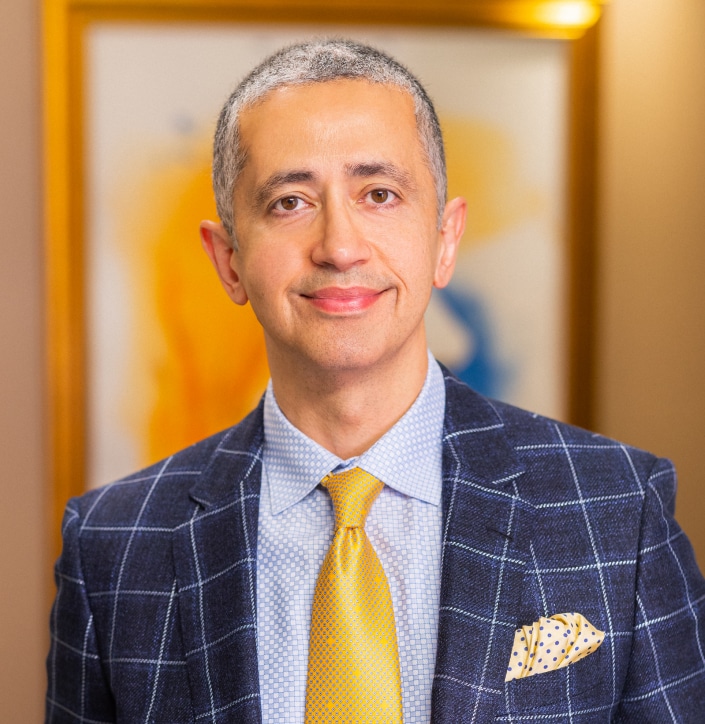
Understanding Board Certification: Why It Matters More Than Most Patients Realize
When searching for a facial plastic surgeon, patients often encounter a phrase repeatedly: “board-certified.” It appears on websites, advertisements, social media profiles, and online directories. But many patients do not comprehend the definition of this status or how a surgeon achieves this credential. There is also a lack of understanding of why it should be one of the most important factors in choosing a surgeon to perform a procedure on their face.
The truth is that not every physician who offers cosmetic surgery has completed the same level of training. In the United States, a medical license allows physicians from many different specialties to legally perform cosmetic procedures, even if their residency and advanced training were not focused on aesthetic surgery.
A doctor could offer a facelift, a nose job, eyelid surgery, or injectables even if they did not complete a dedicated fellowship in facial plastic and reconstructive surgery.
This reality often surprises patients.

“Patients commonly assume that anyone performing cosmetic facial surgery has undergone extensive specialty training in aesthetics,” says Dr. Shervin Naderi, a double board-certified facial plastic surgeon with more than two decades of experience specializing exclusively in aesthetic facial surgery. “Unfortunately, that is not always the case. The pathway to becoming a truly specialized facial plastic surgeon is extremely rigorous and requires years of focused training beyond medical school.”
Understanding that pathway helps patients make safer and more informed decisions about who they trust with their appearance.
Key Takeaways
- Board certification shows that a surgeon has completed formal training and specialty examinations.
- Facial plastic surgery requires years of focused education, surgical experience, and continued learning.
- Fellowship training and case volume can help patients understand a surgeon’s level of specialization.
- Dr. Shervin Naderi is double board-certified and has focused his career exclusively on facial plastic surgery.
- Patients should verify credentials and choose a surgeon with experience that matches their procedure.
- Key Takeaways
- What Is a Board-Certified Facial Plastic Surgeon?
- Medical School Is Only the Starting Point
- Why Facial Plastic Surgery Fellowships Are Among the Most Competitive Surgical Fellowships
- The Difference Between Reconstructive Surgery and Aesthetic Surgery
- The Importance of Case Requirements Before Board Certification
- Board Certification Is Not a Lifetime Achievement, It Must Be Maintained
- What Does “Double Board-Certified” Mean?
- Not Everyone Advertising Cosmetic Surgery Has the Same Training
- Why the Title “Cosmetic Surgeon” Can Be Misleading
- Why Surgical Volume and Experience Matter So Much
- Deep Plane Facelift and Rhinoplasty: Why Subspecialization Matters
- The Fellowship Bottleneck: Why True Facial Plastic Surgeons Are Rare
- Why Board Certification Alone Is Not Enough for Patients to Evaluate Skill
- What Patients Should Ask During a Consultation
- The Role of Continuing Education and Evolving Techniques
- How to Verify a Surgeon’s Board Certification And Avoid Common Misunderstandings
- Why Facial Plastic Surgery Is Considered One of the Most Demanding Surgical Specialties
- Dr. Shervin Naderi: A Career Dedicated Exclusively to Facial Plastic Surgery
- Why Choosing the Right Surgeon Matters
- Making an Informed Decision
- Frequently Asked Questions
- About Dr. Shervin Naderi
What Is a Board-Certified Facial Plastic Surgeon?
A board-certified facial plastic surgeon is a physician who has completed extensive education, surgical training, and specialty examination requirements in facial plastic and reconstructive surgery.
Certification Through the ABFPRS
The highest level of facial plastic surgery certification in the United States is certification through the American Board of Facial Plastic and Reconstructive Surgery (ABFPRS). This is a highly specialized certifying board dedicated exclusively to surgery of the face, head, and neck.
To take the ABFPRS exam, a surgeon has to finish a residency that is approved. This residency must be in a related surgical field. The most common choice is otolaryngology and head and neck surgery, often called ENT.
Residency Is Only the Beginning
Many surgeons train for at least five years in demanding residency programs. Those who want to focus on aesthetic and reconstructive facial procedures often take an extra fellowship in facial plastic and reconstructive surgery.
This extra training is not a weekend course, an observational experience, or a short certification program. It is a highly competitive, full-time surgical fellowship involving an additional year, and often many years of focused practice and experience thereafter, dedicated to mastering complex procedures of the face.
Medical School Is Only the Starting Point
Many patients are surprised to learn that becoming a facial plastic surgeon can require well over a decade of training.
The pathway generally includes:
- Four years of undergraduate education
- Four years of medical school
- Approximately five years of surgical residency training in otolaryngology–head and neck surgery
- A competitive one-year facial plastic and reconstructive surgery fellowship
- Additional years of practice dedicated to refining aesthetic judgment and surgical expertise
By the time a surgeon reaches independent practice, they may have spent 13 to 15 years or more developing the skills necessary to safely perform sophisticated facial procedures.
But time alone does not equal expertise.
The quality and focus of that training are what truly distinguish a surgeon.
Why Facial Plastic Surgery Fellowships Are Among the Most Competitive Surgical Fellowships
Not all fellowships are created equal.
Facial plastic and reconstructive surgery fellowships are among the most competitive post-residency training programs available. Every year, highly accomplished ENT surgeons from around the country compete for a limited number of positions.
These fellowships are selective because the available training spots are few, and the demand from talented applicants is high.
Cosmetic Training Can Vary
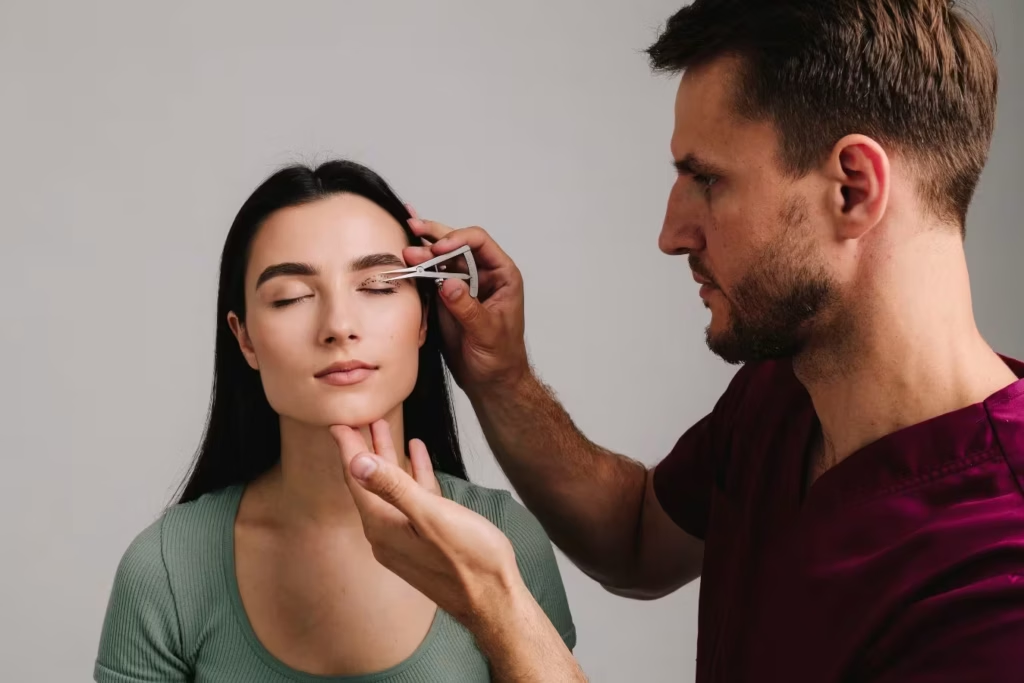
Lots of people miss one point. Not every fellowship in facial surgery is only about cosmetic aesthetics.
Some facial reconstruction programs focus on trauma, cancer removal, congenital abnormalities, or severe injuries. These parts of care are very important. However, the training may leave less time for elective cosmetic cases, such as:
- Deep plane facelifts
- Cosmetic rhinoplasty
- Revision rhinoplasty
- Blepharoplasty (eyelid surgery)
- Facial fat transfer
- Brow lifts
- Neck rejuvenation
Aesthetic Experience Matters
A surgeon whose career focus is aesthetic facial surgery requires extensive experience not only in surgical technique but also in the artistic principles of facial harmony, balance, proportion, and natural beauty.
“Cosmetic facial surgery is both a science and an art,” explains Dr. Naderi. “The goal is not simply to change a feature. It is to understand the entire face and create results that look natural, balanced, and appropriate for that individual patient.”
The Difference Between Reconstructive Surgery and Aesthetic Surgery
Patients often assume that a surgeon who can reconstruct a face after trauma automatically has extensive experience performing cosmetic procedures. While reconstructive skills are incredibly valuable, aesthetic surgery involves a different mindset and a different set of goals.
Different Goals
Reconstructive surgery focuses primarily on restoring normal appearance and function after disease, injury, or congenital abnormalities.
Aesthetic surgery focuses on improving facial balance, reducing visible signs of aging, and creating natural enhancements while preserving the patient’s unique identity.
For example, a successful cosmetic rhinoplasty requires much more than simply making a nose smaller. The surgeon must understand:
- Nasal anatomy
- Breathing function
- Cartilage support
- Skin thickness
- Ethnic and cultural considerations
- Long-term structural stability
- The relationship between the nose and other facial features
Similarly, a deep plane facelift requires advanced knowledge of facial anatomy, including the underlying muscular and connective tissue layers that influence facial aging.
These operations have steep learning curves and require years of dedicated experience to master.
The Importance of Case Requirements Before Board Certification
A key part of legitimate board certification is that surgeons show they have done real operations. They cannot rely only on a written exam to qualify.
To become certified by the American Board of Facial Plastic and Reconstructive Surgery, surgeons must complete rigorous examination requirements and submit detailed documentation of their surgical experience.
This includes a substantial number of independently performed facial plastic surgery cases covering a wide range of procedures. These cases are reviewed to ensure that the surgeon has developed meaningful clinical experience before being granted certification.
This process is designed to protect patients by confirming that the surgeon has not only studied facial plastic surgery but has actively performed it.
“Experience matters tremendously in facial plastic surgery,” says Dr. Naderi. “A surgeon may understand the steps of an operation, but developing the judgment to know what to do in difficult situations, how tissues heal, and how to achieve consistently natural results only comes from years of performing these procedures.”
Board Certification Is Not a Lifetime Achievement, It Must Be Maintained
It is often believed that a surgeon completes all requirements after they earn a board certification.
In practice, medical boards with high standards require that physicians keep their certificates through constant study, professional growth and regular testing.
The medical community calls this requirement maintenance of certification. It is a system that makes sure surgeons stay familiar with new surgical methods, safety rules, equipment plus medical facts.
A surgeon committed to maintaining board certification demonstrates a continued dedication to excellence and lifelong learning.
For patients, this means that board certification represents not just a past accomplishment, but an ongoing commitment to maintaining high professional standards.
What Does “Double Board-Certified” Mean?
People often hear the phrase “double board-certified” in facial plastic surgery; however, many patients do not fully understand what it means.
A surgeon who is double board-certified has been approved by two different specialty boards. This shows advanced qualifications in both their foundational surgical specialty and facial plastic surgery.
Dr. Naderi’s Board Certifications
Dr. Shervin Naderi is double board-certified in both otolaryngology–head and neck surgery and facial plastic and reconstructive surgery. For over 20 years, his work has focused only on facial cosmetic procedures. He is especially known for advanced rhinoplasty methods. He also has experience with deep plane facelift techniques.
The face is a highly detailed part of the body. Because of that, this level of specialization matters a lot. Small changes there can shift how the face looks as a whole. They can also affect how someone shows emotion and how they are recognized.
A surgeon who focuses only on facial work for their whole career learns facial structure and appearance in a different way. That is not the same as what happens when a surgeon splits time across many body areas.
Not Everyone Advertising Cosmetic Surgery Has the Same Training
One of the biggest misconceptions among patients is that all cosmetic surgeons have completed plastic surgery training.
This is not necessarily true.
In the United States, physicians from various specialties may legally offer cosmetic procedures even if their original residency training did not focus on aesthetic surgery.
Why the Title “Cosmetic Surgeon” Can Be Misleading
People get confused in aesthetic surgery about one thing. The phrase “cosmetic surgeon” is not a formal, regulated specialty title in the United States under the usual board rules. Doctors use that label from many different parts of medicine. It is not the same as board certification in facial plastic surgery or plastic surgery.
This means that a physician could study dermatology, urgent care, family medicine, general practice, or internal medicine. After that, the same doctor may decide to offer cosmetic services. Sometimes this comes after brief training sessions held over a weekend about filler injections and surgical procedures.
While many physicians who offer cosmetic treatments are ethical and highly skilled within their scope, the lack of standardized surgical training pathways creates significant variability in patient outcomes and safety.
Board-Certified Training Is Structured
By contrast, a board-certified facial plastic surgeon has undergone a structured and highly regulated pathway of surgical education that includes:
- Formal surgical residency training (typically 5+ years)
- Extensive supervised operative experience
- Rigorous written and oral board examinations
- Case documentation requirements
- Fellowship training in facial plastic and reconstructive surgery (in most cases)
This is not only about word meanings. It shows that training can be very different, especially in anatomy, surgical judgment, complication management, and long-term aesthetic planning.
“Patients often don’t realize that facial plastic surgery is one of the most technically demanding areas in all of medicine,” says Dr. Shervin Naderi. “Small differences in technique or experience can dramatically affect both the appearance and function of the face.”

Choose Procedure-Specific Expertise
Advanced procedures benefit from focused training and extensive hands-on experience. Consult with an expert.
Why Surgical Volume and Experience Matter So Much
Board certification confirms that a surgeon has met minimum training standards. However, in facial plastic surgery, true mastery is built through years of continuous surgical experience beyond certification.
Case Volume Builds Skill
A surgeon’s case volume, the number of procedures they perform annually and over their career, has a direct impact on:
- Technical precision
- Aesthetic judgment
- Ability to handle complications
- Consistency of results
- Refinement of technique
For example, a surgeon performing hundreds of rhinoplasties or facelifts over many years will naturally develop a more nuanced understanding of subtle anatomical variations and healing patterns than someone performing these procedures only occasionally.
Repetition Matters in Facial Surgery
Facial plastic surgery is particularly sensitive to repetition and refinement because:
- No two faces are identical
- Healing responses vary significantly between patients
- Cartilage behavior in rhinoplasty is highly individualized
- Aging patterns differ across ethnicity, age, and skin quality
Experience With Complex Cases
This is why surgeons who dedicate their entire careers to facial aesthetics, like Dr. Naderi, are often sought out for complex or revision cases.
With over two decades of exclusive facial plastic surgery experience, Dr. Naderi has developed particular expertise in procedures that demand high precision and artistic balance, especially:
- Primary and revision rhinoplasty
- Deep plane facelift surgery
- Complex nasal airway and structural reconstruction
- Subtle facial rejuvenation techniques that preserve natural expression
Deep Plane Facelift and Rhinoplasty: Why Subspecialization Matters
Not all facelift or rhinoplasty techniques are the same. In fact, within facial plastic surgery, there are multiple advanced approaches that require different levels of training and anatomical understanding.
Deep Plane Facelift
The deep plane facelift is considered one of the most advanced facial rejuvenation procedures. Standard facelift options often focus on pulling and tightening the skin. With the deep plane method, the surgeon works beneath the superficial muscular layer. The goal is to reposition deeper structures.
This allows for:
- More natural lifting of the midface
- Longer-lasting results
- Reduced tension on the skin
- A more youthful but not “pulled” appearance
However, it also requires:
- Highly advanced anatomical knowledge
- Precise dissection skills
- Extensive experience to avoid nerve injury
- Deep familiarity with facial retaining ligaments and tissue planes
Surgeons who perform deep plane facelifts safely and consistently typically spend years refining this technique after fellowship training.
Rhinoplasty
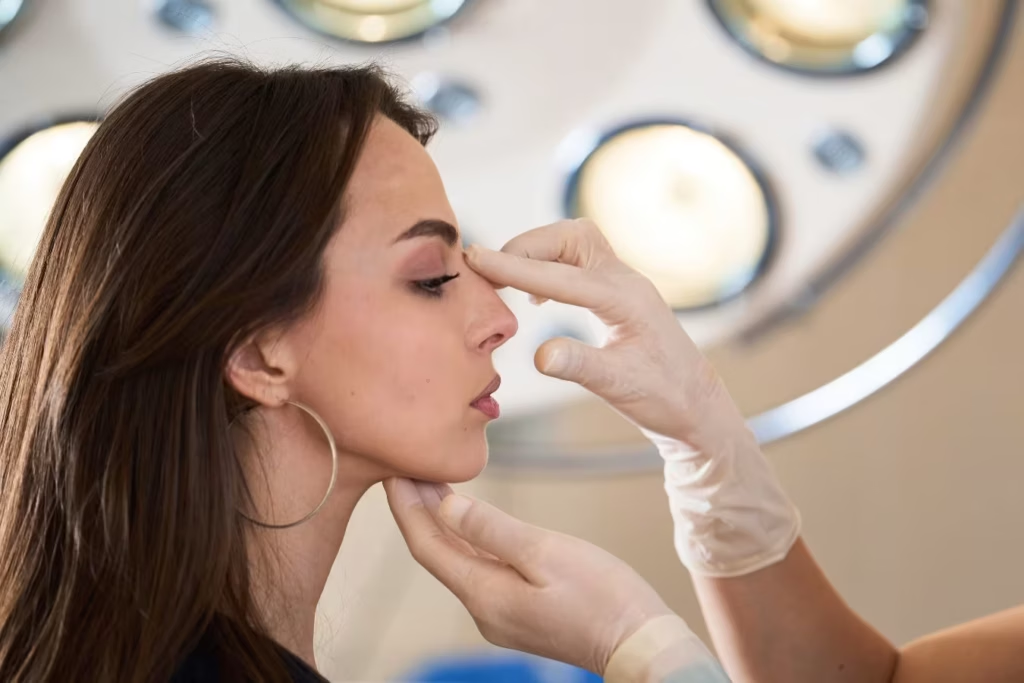
Rhinoplasty, or nose surgery, is widely considered one of the most complex procedures in all of cosmetic surgery.
This is because the nose must function perfectly for breathing while also maintaining structural integrity and aesthetic harmony.
A successful rhinoplasty requires the surgeon to simultaneously:
- Preserve or improve nasal airflow
- Maintain structural support over time
- Create natural proportions that match the face
- Avoid over-resection or collapse of cartilage
- Anticipate long-term healing changes
Revision rhinoplasty, correcting previous surgeries, is even more complex and often requires advanced reconstructive techniques.
“Rhinoplasty is not a single operation,” says Dr. Naderi. “It is a series of structural decisions that must hold up over a lifetime. Experience is everything.”
The Fellowship Bottleneck: Why True Facial Plastic Surgeons Are Rare
Although many physicians may express interest in facial aesthetics, only a limited number of accredited fellowship programs exist in the United States each year. These fellowships are highly competitive and selective.
Key reasons include:
- Limited training spots nationwide
- High demand from top-tier surgical residency graduates
- Requirement for exceptional surgical skill even before fellowship acceptance
- Emphasis on academic excellence and operative performance
Even among those who complete fellowships, the focus of training can vary significantly.
Some programs emphasize:
- Reconstructive facial trauma
- Cancer reconstruction
- Craniofacial deformities
- ENT functional surgery
While others provide more concentrated exposure to:
- Cosmetic rhinoplasty
- Facelifts and neck lifts
- Eyelid surgery
- Facial aesthetic refinement
The latter category is especially important for patients seeking natural-looking cosmetic results, because aesthetic judgment is a skill developed through repeated exposure to elective cosmetic patients, not just reconstructive cases.
Why Board Certification Alone Is Not Enough for Patients to Evaluate Skill
Board certification is essential, but it is not the only factor patients should consider.
Certification confirms that a surgeon has met standardized training and examination requirements. However, it does not fully capture:
- Artistic ability
- Aesthetic judgment
- Consistency of cosmetic outcomes
- Volume of cosmetic vs reconstructive cases
- Subspecialty focus (face vs body vs general plastic surgery)
This is why patients are encouraged to look beyond credentials alone and also evaluate:
- Before-and-after photos of real patients
- Surgeon’s area of specialization
- Years of focused experience in facial aesthetics
- Whether the surgeon performs facial surgery exclusively or broadly across multiple body areas
A surgeon like Dr. Shervin Naderi, who has dedicated over 20 years exclusively to facial aesthetic surgery, represents a level of subspecialization that is relatively uncommon even among board-certified surgeons.
What Patients Should Ask During a Consultation
A patient can use one of the best tools they have, which is asking the right questions during the appointment. These questions can help the surgeon explain their background, their work history, and what they focus on.
Important questions include:
- Are you board-certified, and by which board?
- Did you complete a facial plastic surgery fellowship?
- How many rhinoplasties or facelifts do you perform per year?
- Do you specialize in facial surgery exclusively or multiple areas?
- How often do you perform revision cases?
- What percentage of your practice is cosmetic vs. reconstructive?
These questions are not meant to intimidate physicians, but rather to ensure transparency and help patients make informed decisions.
“An informed patient is a safer patient,” notes Dr. Naderi. “The more you understand about your surgeon’s training and experience, the better your outcome is likely to be.”
For more guidance, read our article on questions to ask during a facelift consultation and why the answers can reveal so much about a surgeon’s experience and approach.

The Role of Continuing Education and Evolving Techniques
Facial plastic surgery keeps changing; new techniques, technologies and refinements are constantly emerging.
Board-certified surgeons are expected to engage in:
- Continuing medical education (CME)
- Attendance at national surgical conferences
- Peer-reviewed research participation
- Technique refinement and skill updates
- Safety and ethics training
This ensures that surgeons remain current with evolving standards in aesthetic medicine.
For example, in the last decade, a few major changes have reshaped modern facial plastic surgery.
- Structural rhinoplasty
- Preservation rhinoplasty
- Deep plane facelift techniques
- Fat grafting and regenerative approaches
- Minimally invasive facial rejuvenation
Surgeons who remain active in education and clinical innovation are better equipped to deliver safer, more natural, and longer-lasting results.
How to Verify a Surgeon’s Board Certification And Avoid Common Misunderstandings
In an era where medical marketing is highly polished and social media presence can be persuasive, patients are encouraged to verify credentials independently rather than relying solely on website claims or advertisements.
True board certification in facial plastic surgery can be verified through recognized medical boards, most commonly:
- The American Board of Facial Plastic and Reconstructive Surgery (ABFPRS)
- The American Board of Otolaryngology–Head and Neck Surgery (ABOHNS)
- The American Board of Plastic Surgery (ABPS)
These boards require extensive training, documented surgical experience, and successful completion of rigorous examinations.
However, patients should be aware that terminology can sometimes be used loosely in marketing. For example:
- “Board-certified cosmetic surgeon” is not a standardized specialty board
- “Fellowship-trained” may refer to programs with vastly different levels of cosmetic exposure
- “Aesthetic specialist” is not a regulated credential
This is why verifying the actual certifying board is essential.
“Patients should never hesitate to ask exactly what board a surgeon is certified by,” says Dr. Shervin Naderi. “It is one of the most important safety questions in cosmetic surgery.”
Why Facial Plastic Surgery Is Considered One of the Most Demanding Surgical Specialties
Facial plastic surgery requires an uncommon combination of technical precision and artistic judgment. Unlike many other surgical fields, even millimeters of difference can significantly change appearance or function.
Key challenges include:
- Complex three-dimensional anatomy
- Constant facial movement and expression
- High aesthetic expectations from patients
- Irreversible nature of surgical changes
- Individual variability in healing and scarring
Procedures such as rhinoplasty and deep plane facelift demand not only surgical precision but also an understanding of long-term aging, facial symmetry, and emotional expression.
The face is central to identity. This is why specialization and experience matter so significantly.
Dr. Shervin Naderi: A Career Dedicated Exclusively to Facial Plastic Surgery
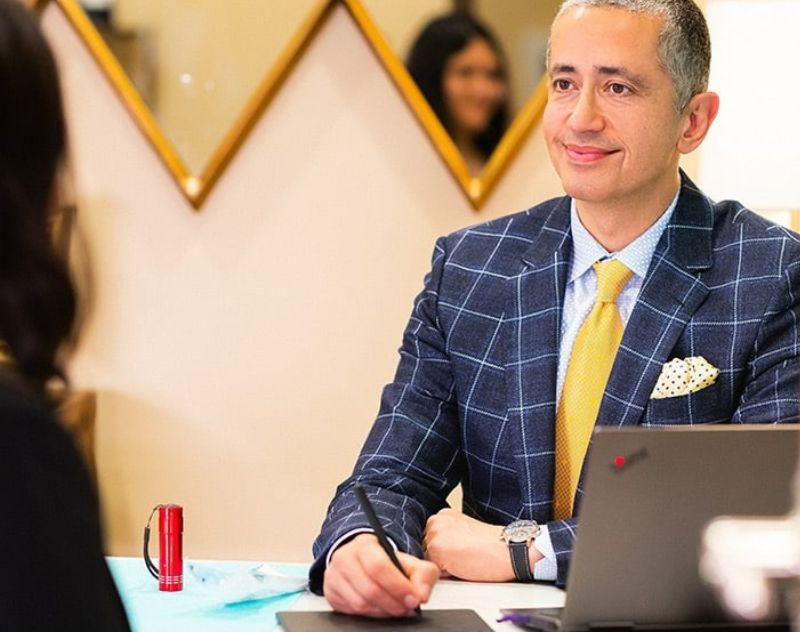
With over two decades of experience, Dr. Shervin Naderi has devoted his entire surgical career exclusively to facial plastic surgery, with a particular focus on:
- Primary and revision rhinoplasty
- Deep plane facelift surgery
- Facial rejuvenation and structural enhancement
- Complex nasal airway and functional reconstruction
As a double board-certified facial plastic surgeon, Dr. Naderi represents a level of focused specialization that is increasingly rare in modern aesthetic medicine.
“Facial plastic surgery is not about changing who someone is,” Dr. Naderi explains. “It is about refining and restoring balance so that the natural identity of the face is preserved and enhanced.”
His approach emphasizes:
- Natural-looking results
- Long-term structural stability
- Preservation of facial identity
- Careful attention to proportion and harmony
This philosophy reflects the core principles of modern facial aesthetic surgery: subtlety, balance, and durability.
Why Choosing the Right Surgeon Matters
Choosing a facial plastic surgeon is a major decision for a patient, particularly because procedures on the face are highly visible and permanent.
Surgical results depend on training, experience and specialization. Board certification can show that a doctor meets baseline standards for education and competence. Still, real skill tends to grow through many years of work in facial aesthetics.
Surgeons like Dr. Shervin Naderi, who have dedicated their careers exclusively to facial plastic surgery, represent a level of specialization that combines rigorous training with decades of surgical refinement.
“Every face is unique,” says Dr. Naderi. “The goal of facial plastic surgery is not perfection—it is harmony, balance, and natural beauty that stands the test of time.”
Making an Informed Decision
When patients know what board certification really is, they can choose with more confidence. It helps them see what sets basic cosmetic training apart from focused facial plastic surgery training.
More people are choosing cosmetic work these days. Because of that, it matters to choose a surgeon who has proper training and solid experience. Certification, fellowship training, surgical volume, and long-term specialization all matter significantly when it comes to facial procedures.
Patients usually get the best results when they choose a surgeon who is board-certified. They should also look for a provider whose main work has been face-focused for a long time.
To discuss your goals with Dr. Naderi, schedule a consultation at his Reston, Virginia, or Chevy Chase, Maryland office.
Frequently Asked Questions
About Dr. Shervin Naderi
Dr. Shervin Naderi is the founder of The Naderi Center for Plastic Surgery and Dermatology. In addition to his clinical work, he has contributed to facial plastic surgery through teaching, medical publications, textbook chapters, and service as an oral board examiner for the American Board of Facial Plastic and Reconstructive Surgery. His approach to patient care emphasizes education, realistic expectations, and individualized treatment planning.