Why is everyone adding this popular antioxidant to their daily routine?
Here is all you need to know…
Vitamin C is one of the most widely used skincare ingredients, and for good reason. If you don’t use it yet, or you’re not sure what it actually does, our experts at The Naderi Center explain the facts and clear up a few myths.
What is vitamin C?
Dr. Alexandra Snodgrass, Board-Certified Dermatologist at The Naderi Center, puts it this way: “Antioxidants, such as vitamin C serums, are an imperative component to any skin care regimen as they prevent free-radical formation and therefore prevent signs of premature aging”. She recommends that her patients use a vitamin C serum every day.
Major benefits of vitamin C
Vitamin C helps with several common skin concerns. As an antioxidant, it fights the harmful molecules (free radicals) that interfere with collagen production and lead to lines and wrinkles. It also improves hyperpigmentation, a discoloration on the skin’s surface caused by excess melanin production from acne, melasma, and sunspots.
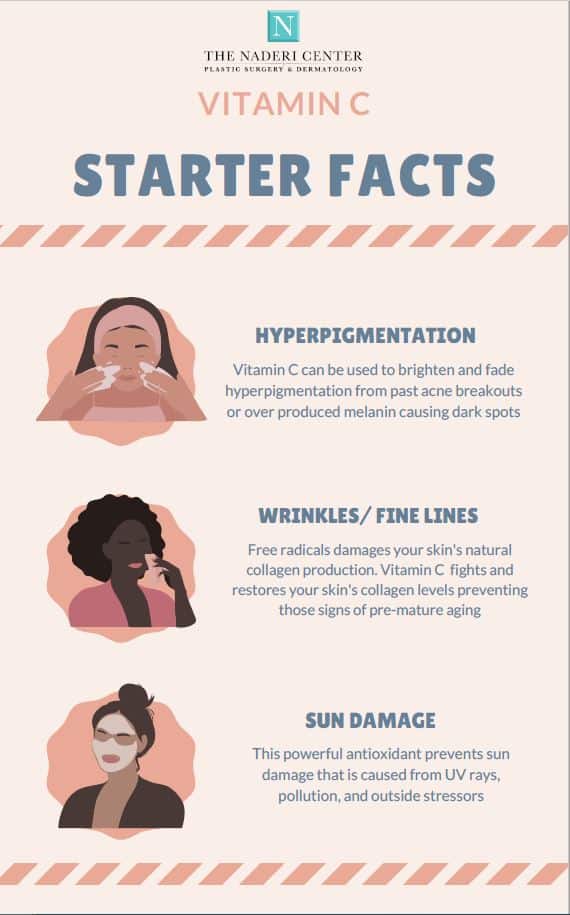
Vitamin C brightens and fades these spots by acting as a reducing agent where melanin is produced. Sun damage is another major cause of skin aging. Vitamin C does not replace sunscreen, but applied underneath it, it adds a second layer of defense against sunburn cell formation. It also supports the body’s own collagen production and helps tissue heal. Our skin layers include the epidermis, which is the outer layer, and the dermis, the layer underneath the epidermis. Collagen is the protein that keeps both layers strong and elastic. We make less of it as we age, and studies have found that vitamin C plays a key role in collagen synthesis and can help the body make more.
Extra benefits
Vitamin C matters for more than your skin. It helps the immune system fight off infection by supporting the production and function of white blood cells. These cells are important in shielding the body from disease and outside attackers. Studies also show that vitamin C increases how much iron the body absorbs, which helps prevent deficiency. Iron is needed to make red blood cells, which carry oxygen through the body. Vitamin C may also help with blood pressure. High blood pressure affects nearly a third of the country’s population and raises the risk of heart disease, and some research suggests vitamin C may help lower it.
Book a Consultation
Thinking about medical-grade skincare? Our physicians see patients at our offices in Reston, VA and Chevy Chase, MD.
Book a ConsultationLearn about medical-grade skincare
Call Reston (703) 481-0002 or Chevy Chase (301) 222-2020.
Concentrations
Vitamin C serums have different strengths and are not created equal. L-ascorbic acid is the most powerful form of vitamin C. Its derivatives are less biologically active and don’t absorb as well. Concentration matters too. Vitamin C products can range from lower than 5% to as high as 30%. The right strength depends on your skin type. Sensitive skin usually does better at around 8 to 10% than at 30%, while oily or combination skin often responds well to a higher concentration of around 20%. Ask your dermatologist which strength suits your skin.
Early bird or night owl
In most routines, order matters. You would not condition your hair before shampooing, or pour milk before cereal (well we hope not), and vitamin C serums are just like that. Board-Certified Dermatologist, Dr. Snodgrass, says, “For best results, vitamin C serum should be applied after cleansing and toning and before moisturizing and sunscreen. This allows the product to work into your routine and provide the maximum benefits”. Morning or night makes little difference. Many people apply vitamin C in the morning to help protect the skin from environmental stressors like UV light and free radicals. Others prefer it at night to help repair the day’s damage.
Topical or oral?
We are always told to eat our fruits and vegetables to gain our vitamins, but when it comes to vitamin C, is our diet enough? Excellent sources of vitamin C are found in citrus fruits, cruciferous vegetables, and even daily vitamin C supplements. For the skin itself, though, topical products work best, because the vitamin C is applied directly where the skin cells can use it. A healthy diet plus a daily serum covers both.
See the Doctor
Questions about what you just read? Ask our doctors in person. Book a consultation in Reston or Chevy Chase, or start with a virtual consultation from home.
Book a ConsultationVirtual consultation
Call Reston (703) 481-0002 or Chevy Chase (301) 222-2020.
Top vitamin C products
Not every vitamin C serum is the same. Inexpensive drugstore serums may not contain the most active form of vitamin C, and many don’t get past the surface, so they mostly sit on the outer layer of dead skin cells. Medical-grade products are formulated to reach the deeper layers of the skin, the epidermis and dermis, and provide the proper ingredients for improvement. Dr. Snodgrass recommends these two medical-grade serums.
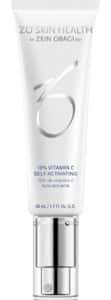
ZO Skin Health 10% Vitamin C Self-Activating
ZO Skin Health is a medical-grade skincare line designed to repair years of wear and tear from sun exposure, the elements and harsh products. Its vitamin C serum gives the skin a strong dose of antioxidants for a brighter, more even tone and fewer visible signs of aging.
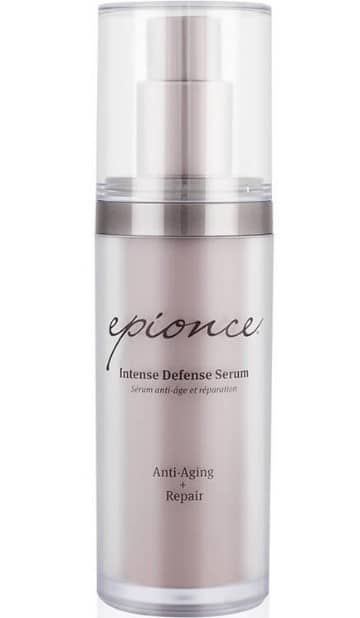
Epionce is a botanical based skincare line that is paraben, sulfate, and cruelty free. These products are designed for the person who wants very minimal reaction in their skin when it comes to skincare, or for someone who has truly compromised skin. The Intense Defense Serum is a multivitamin anti-aging serum that uses botanical sources of vitamins A, B, C, D and E.
If you have questions about adding vitamin C to your routine, call either of our offices. Our providers can recommend a serum and strength that suit your skin.
Frequently Asked Questions
What does vitamin C serum do for your skin?
Vitamin C is an antioxidant that protects the skin from free radicals, supports collagen production and helps fade dark spots from sun damage, acne and melasma. Used consistently, it leaves the skin brighter and more even.
Should I apply vitamin C serum in the morning or at night?
Either works. Apply it after cleansing and toning and before moisturizer and sunscreen. Many people prefer the morning so it adds protection against UV light and pollution during the day.
What percentage of vitamin C serum should I use?
It depends on your skin. Sensitive skin usually does better with about 8 to 10%, while oily or combination skin often does well with around 20%. L-ascorbic acid is the most active form to look for.
Can vitamin C replace sunscreen?
No. Vitamin C adds a second layer of defense against sun damage when worn under sunscreen, but you still need a broad-spectrum sunscreen every day.
Is topical vitamin C better than taking it by mouth for your skin?
For the skin, yes. A serum delivers vitamin C directly to the skin cells, while vitamin C from food or supplements supports your overall health. Most people benefit from both.

Patient Financing
Pay Over Time with Cherry
Monthly payment plans for surgery and treatments, including 0% APR options for qualifying patients. Checking whether you qualify won’t affect your credit score.