There is a moment, often quiet and deeply personal, when many patients begin thinking seriously about facelift surgery. It rarely begins with vanity. More often, it begins with subtle dissonance. A photograph that feels unfamiliar. A jawline that appears heavier despite feeling healthy and energized. A growing sense that the face no longer reflects the vitality, confidence, or sharpness still very much present beneath the surface.
Yet while patients spend enormous time researching facelift techniques, recovery timelines, and before-and-after photos, one of the most consequential parts of the entire process is frequently underestimated: the consultation itself.
In modern facial rejuvenation, the consultation is not simply a preliminary meeting. It is a window into how a surgeon thinks.
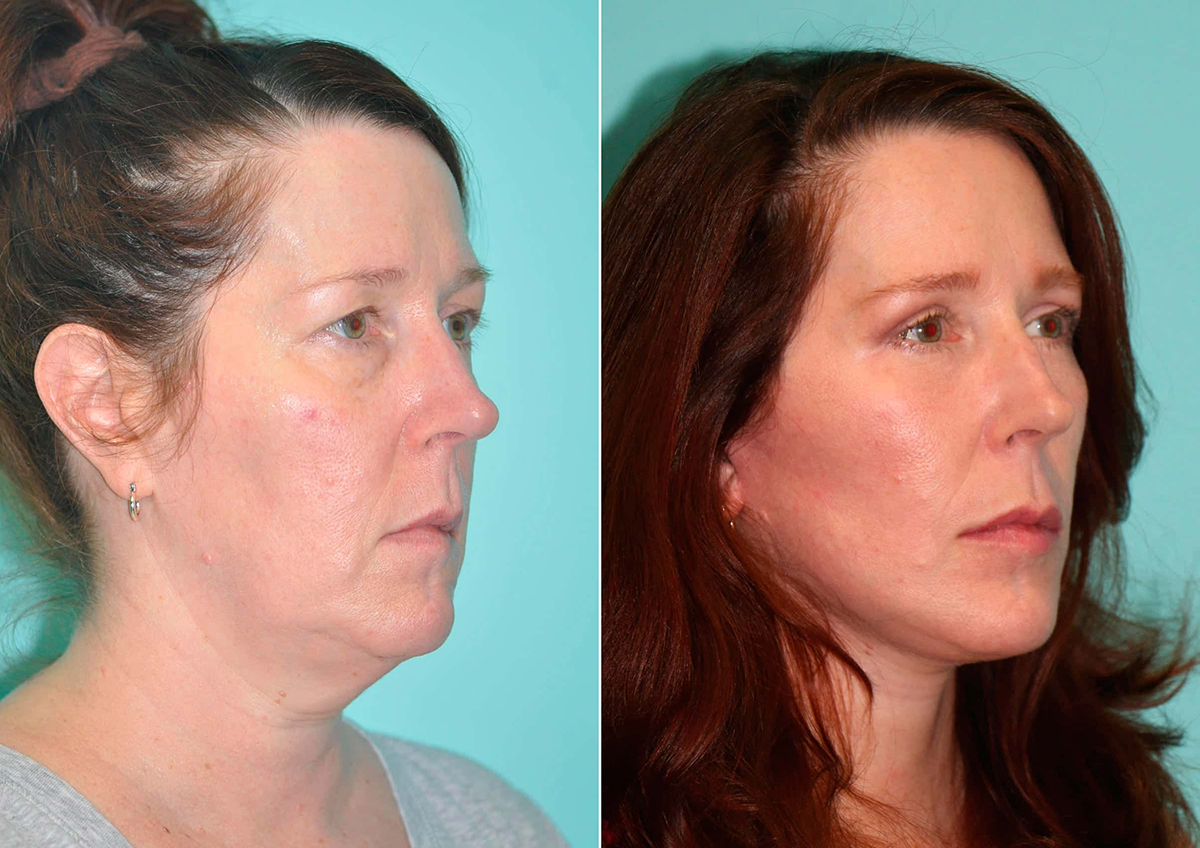
For sophisticated patients considering a deep plane facelift in Washington DC, Northern Virginia, Maryland, or the greater DMV area, the right consultation can reveal the difference between a surgeon who merely performs facelifts and one who truly understands facial aging as an architectural process.
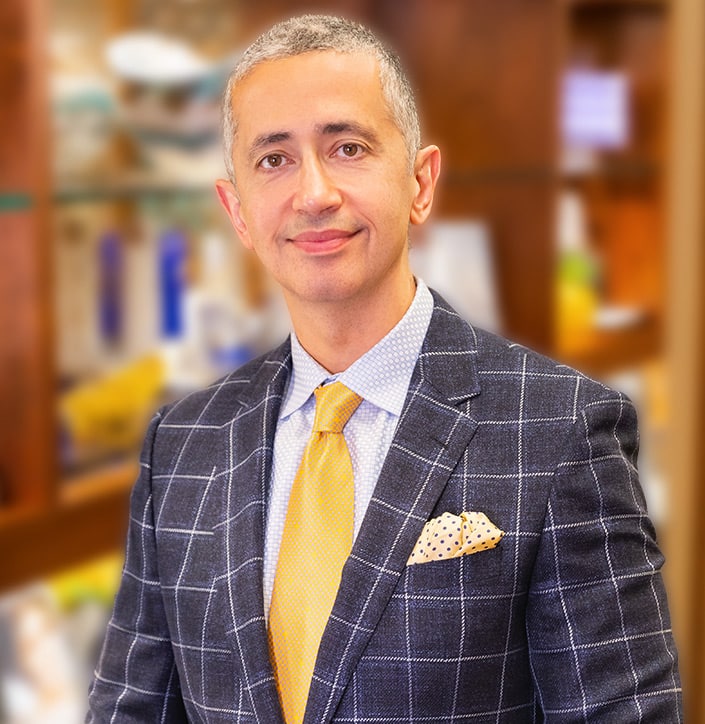
According to double board certified facial plastic surgeon, Dr. Shervin Naderi of The Naderi Center for Plastic Surgery and Dermatology, patients often enter consultations asking practical questions while overlooking the far more revealing ones.
“Patients naturally ask about downtime and swelling,” says Dr. Naderi. “But the most important questions are actually philosophical. How does the surgeon think about aging? What creates naturalness? What are they truly trying to restore?”
Those answers, he explains, ultimately shape whether a facelift looks elegant and timeless or unmistakably surgical.
The Modern Facelift Is No Longer About Tightening Skin
One of the most persistent misconceptions in aesthetic surgery is the belief that a facelift is fundamentally a skin-tightening procedure. In reality, modern deep plane facelift surgery has evolved into something far more sophisticated.
The face does not age in a single direction. Aging is not simply looseness. It is a gradual structural shift involving ligament laxity, facial fat descent, skeletal remodeling, skin quality changes, and alterations in the deeper support system of the face and neck.
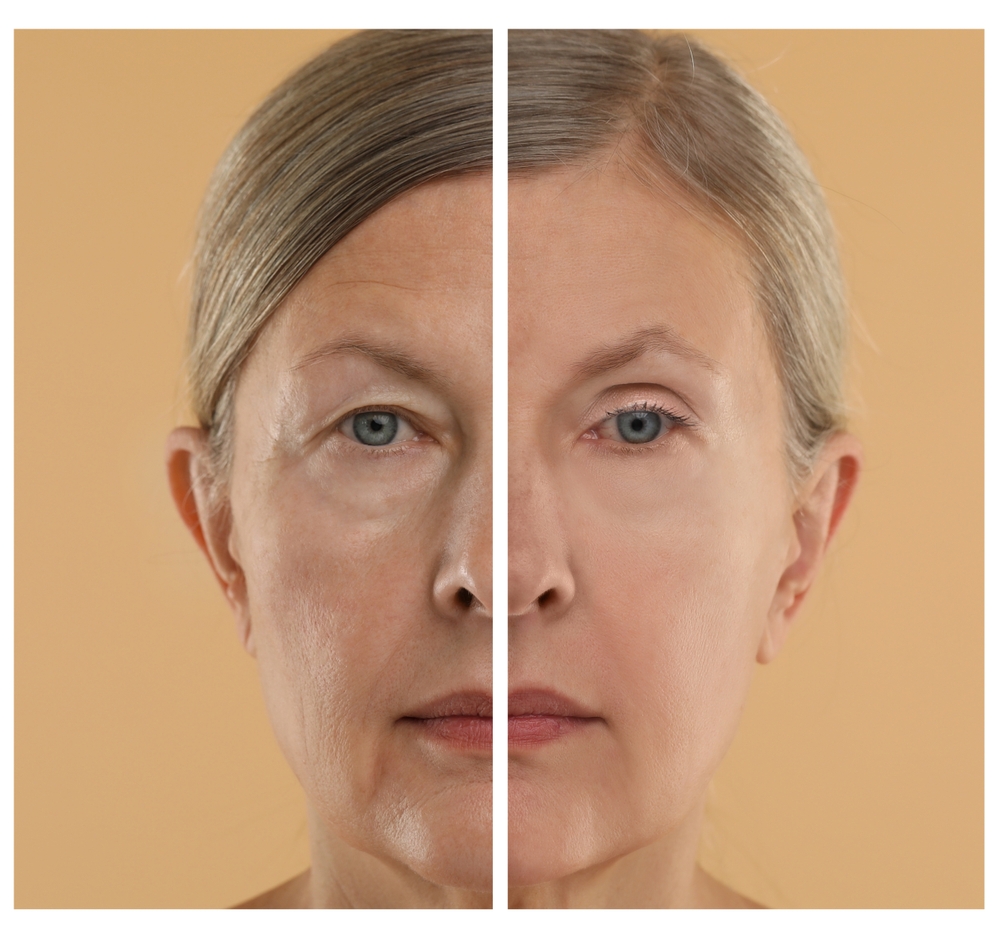
This is why experienced facial plastic surgeons spend so much of the consultation studying anatomy rather than simply examining wrinkles.
A sophisticated consultation should involve careful evaluation of facial balance, jawline definition, neck contour, volume distribution, platysmal banding, skin thickness, and the underlying structural relationships that define facial harmony.
“The face ages from the inside outward,” explains Dr. Naderi. “If you only tighten skin, you often create tension without truly restoring structure. That is where unnatural results begin.”
This philosophy forms the foundation of Dr. Naderi’s signature Architectural Lift— his advanced approach to deep plane facelift surgery focused on restoring foundational facial support rather than creating a pulled appearance.
For patients researching the best facelift surgeon in DC or searching for natural facelift results in Northern Virginia and Maryland, understanding this distinction is critical.
One of the Most Important Questions: What Kind of Facelift Do You Actually Perform?
Many patients assume that all facelifts are variations of the same operation. They are not.
The differences between older skin-only techniques, SMAS facelifts, and modern deep plane facelifts are profound both anatomically and aesthetically. Yet many patients never ask surgeons to explain those distinctions clearly.
An experienced facial rejuvenation surgeon should be able to articulate not only what technique they perform, but why.
Patients should leave a consultation understanding whether the surgeon primarily repositions deeper facial structures or relies largely on skin tension to create definition. They should understand how the neck is addressed, how the midface is elevated, and how the surgeon approaches long-term naturalness.
“A facelift should never look like the face has been stretched backward,” says Dr. Naderi. “The goal is not tightness. The goal is restoration of structural harmony.”

Address early signs of aging with confidence
A personalized consultation can help you explore subtle facial rejuvenation before changes become more advanced. Visit us at our Reston and Chevy Chase offices.
The Question That Reveals the Most About a Surgeon’s Aesthetic Philosophy
Patients often ask surgeons whether their results look natural. But perhaps the more revealing question is this:
What does natural actually mean to you?
The answer can be extraordinarily telling.
Some surgeons define natural as conservative tightening. Others define it as a subtle change. The most sophisticated facial plastic surgeons, however, speak about proportion, balance, movement, facial identity, and preservation of character.
Naturalness, in expert hands, is not the absence of surgery. It is the absence of visible surgical tension.
“Most unnatural facelifts happen because surgeons chase tightness instead of architecture,” says Dr. Naderi. “The face ages in multiple dimensions. Rejuvenation must respect those dimensions rather than flatten them.”
In areas like Washington DC, McLean, and Northern Virginia, patients increasingly seek refinement rather than transformation. They want to appear rested, sharper, healthier, and more vibrant — not dramatically altered.
That evolution in patient expectations has fundamentally changed the philosophy of modern facelift surgery.
Why Before-and-After Photos Require More Sophisticated Interpretation
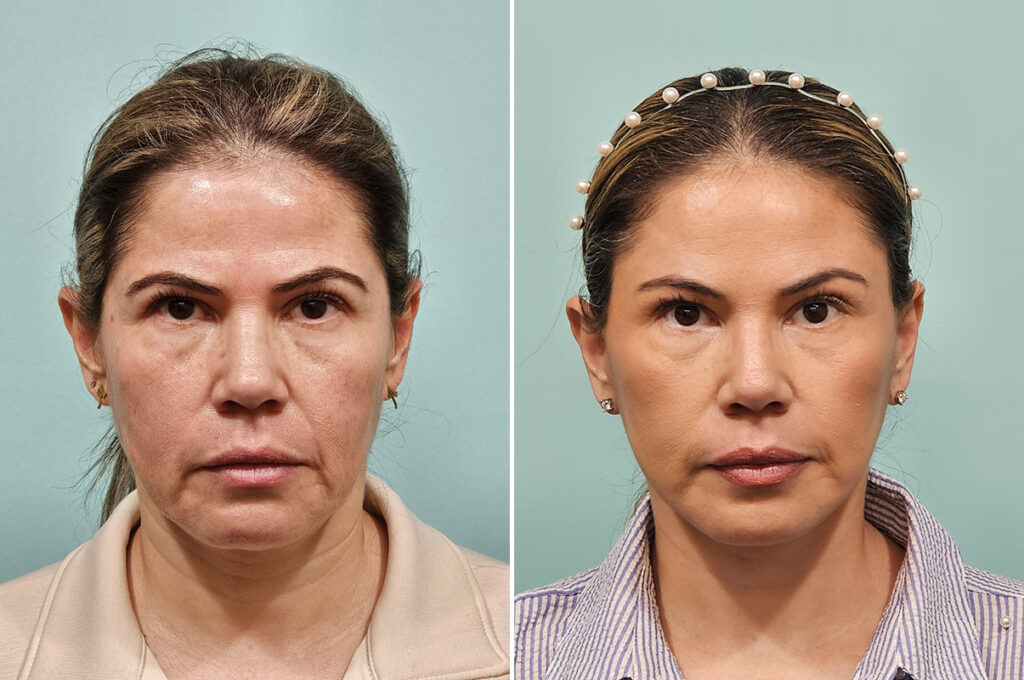
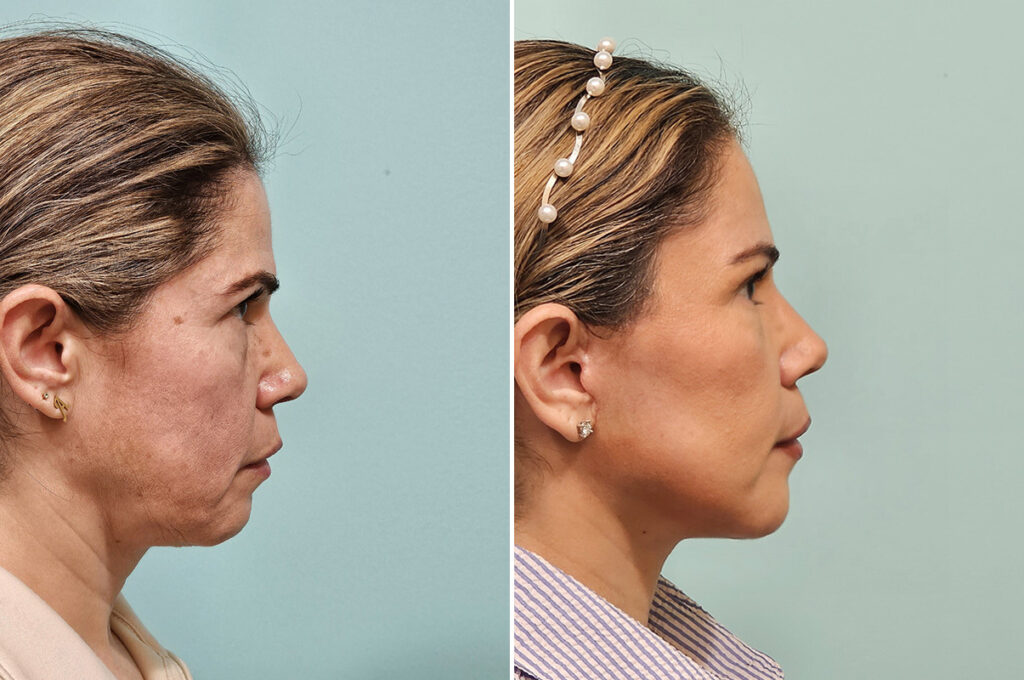
Patients naturally gravitate toward dramatic before-and-after galleries during consultations. But according to Dr. Naderi, dramatic transformation alone is not necessarily a sign of superior surgery.
What matters more is consistency, restraint, and anatomical appropriateness.
A patient with thin facial structure ages differently than someone with heavier tissues or significant neck fullness. Skin thickness, facial volume, bone structure, and ligament support all influence surgical planning. The best facelift surgeons tailor the operation to the individual face rather than imposing a one-size-fits-all result.
“There is no single facelift operation,” Dr. Naderi explains. “Every face has its own architecture. The surgical plan should reflect that.”
Patients should pay close attention not only to whether results look impressive, but whether patients still look like themselves afterward.
That subtle distinction often separates technically competent surgery from truly elegant facial rejuvenation.
The Most Sophisticated Surgeons Talk About Aging Differently
One of the clearest indicators of advanced facelift expertise is how a surgeon explains aging itself.
Less experienced consultations often revolve around loose skin and wrinkles. More sophisticated consultations discuss retaining ligaments, fat compartments, skeletal support, and vector dynamics.
Modern facial aging science recognizes that the face changes structurally over time. Fat compartments descend. Bone support subtly recedes. Ligaments weaken. Neck tissues lose definition. Volume shifts downward.
Understanding these deeper anatomical relationships is central to modern deep plane facelift surgery.
“Aging is fundamentally architectural,” says Dr. Naderi. “If you do not understand the underlying support system of the face, you cannot truly restore it naturally.”
This deeper anatomical understanding is one reason why highly specialized facial plastic surgeons often produce more refined facelift outcomes than generalized cosmetic practices.
Recovery Questions Matter — But Not in the Way Most Patients Think
Nearly every patient asks about downtime, bruising, and swelling. Those questions are important. But sophisticated patients often begin asking something deeper during consultation:
What determines how a facelift ages over time?
Long-term elegance is not determined solely by how tight the face appears initially. In fact, excessive tension frequently produces results that age poorly.
Modern deep plane techniques aim to reposition tissue with less dependence on skin tension alone, which often allows for softer transitions, more natural movement, and better longevity.
“The best facelift is the one people cannot identify,” says Dr. Naderi. “They should simply think you look rested, healthy, and exceptionally well.”
For patients seeking facial rejuvenation in the DMV area, this idea of invisible artistry has become increasingly important.
A Consultation Should Never Feel Like a Sales Process
Perhaps the most revealing moment in any facelift consultation is whether the surgeon demonstrates restraint.
Deep Plane Facelift Specialist Dr. Shervin Naderi understands that not every patient immediately requires surgery. Some patients may benefit from skin resurfacing, volume restoration, eyelid surgery, or simply waiting until facial aging patterns become more surgically appropriate.
Patients should pay attention to whether the consultation feels educational and individualized — or transactional.
“A surgeon’s responsibility is not simply to operate,” says Dr. Naderi. “It is to guide patients honestly toward the right decision, even if that decision is not surgery yet.”
That level of discernment is often what sophisticated patients remember most.
Why Surgeon Expertise Matters More Than Ever
As facelift surgery has become increasingly visible online, many patients underestimate how dramatically outcomes vary between surgeons.
Deep plane facelift surgery is technically demanding. It requires extensive understanding of facial anatomy, meticulous tissue handling, advanced aesthetic judgment, and the ability to rejuvenate without distorting facial identity.
In areas like Washington DC, Maryland, and Northern Virginia, patients increasingly seek results that are refined enough to remain undetectable.
“Sophisticated patients today are not asking to look different,” says Dr. Naderi. “They are asking to look like themselves at their best.”
That philosophy lies at the heart of the Architectural Lift — an approach centered not on pulling the face tighter, but on restoring balance, structure, and harmony in a way that appears effortless.
Frequently Asked Questions About Facelift Consultations
Ultimately, the Consultation Is About Trust
The best facelift consultations do not leave patients feeling sold to. They leave patients feeling understood.
Because at its highest level, facelift surgery is not about looking younger in the artificial sense. It is about restoring congruence between how patients feel internally and how they appear externally.
And achieving that requires far more than technical proficiency alone.
It requires judgment. Restraint. Anatomical sophistication. Artistic intelligence. And a deeply nuanced understanding of facial aging.
For patients considering deep plane facelift surgery in Washington DC, Northern Virginia, Maryland, and the greater DMV area, the consultation is not simply the first step in surgery.
It is the first glimpse into the surgeon’s philosophy — and ultimately, the surgeon’s vision.