For decades, facelifts got tied to celebrities, people who are already past retirement age, or those super dramatic makeovers that basically change someone’s whole look. But now that whole impression feels like it flipped almost overnight. Across social media, Google searches, TikTok, Reddit, and those aesthetic medicine forums, one procedure is dominating the conversation: the deep plane facelift.
And surprisingly, many of the patients driving this trend are not in their 60s.
They are in their late 30s, 40s, and early 50s.
At The Naderi Center, Deep Plane Facelift Specialist Dr. Shervin Naderi is noticing a big shift in the way patients think about facial aging. They are not really waiting for heavy sagging, deep wrinkles, or advanced facial descent anymore. A lot of younger patients are going for facial rejuvenation earlier, when the changes are still subtle and easier to address in a more natural way.
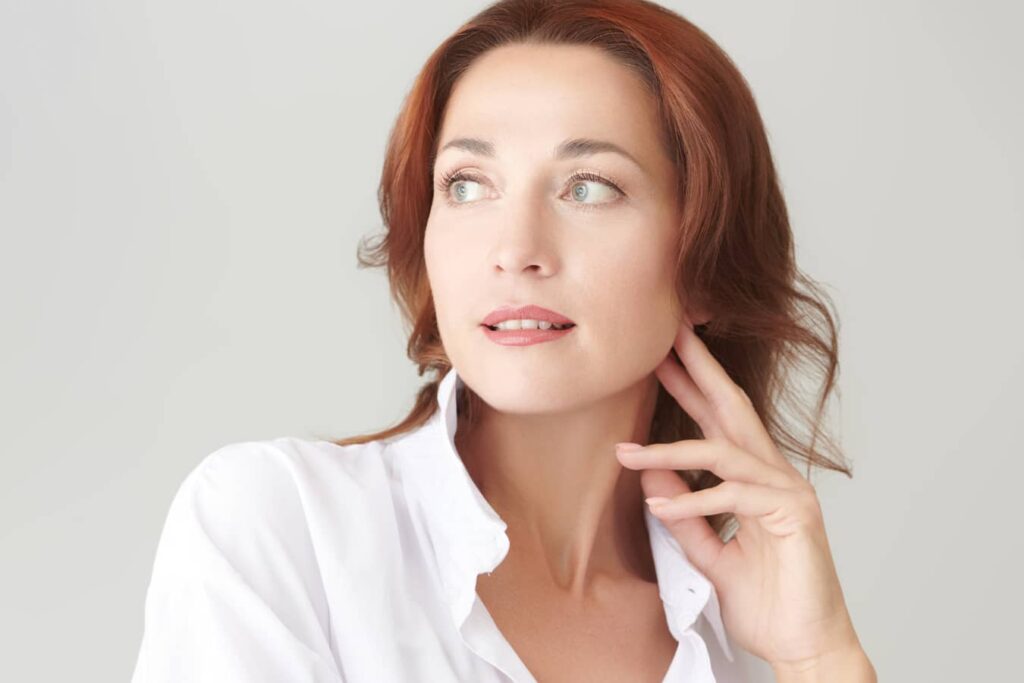
“The modern facelift patient does not want to look surgically altered,” says Dr. Shervin Naderi. “They want to look refreshed, healthy, youthful, and naturally attractive without obvious signs of surgery.”
The New Standard in Facial Rejuvenation
- Deep plane facelifts are getting more and more popular with patients in their late 30s, 40s, and early 50s.
- Patients these days prefer a more natural-looking facial rejuvenation rather than something that looks overdone or kind of obviously “made”.
- A deep plane facelift is basically about repositioning the deeper facial supports and structures, so the face ends up looking more revived and it lasts longer too.
- Weight loss from GLP-1 meds plus shifting beauty expectations are really boosting interest in facial rejuvenation procedures.
- Dr. Shervin Naderi focuses on facial harmony, structural backing, and also keeping each patient’s natural identity intact, not turning them into someone else.
Why the Deep Plane Facelift Surgery Is Gaining So Much Attention
The deep plane facelift has exploded in popularity because it addresses one of the biggest fears patients have about facial surgery: looking fake.
Social media has changed the beauty industry in a real fundamental way. With high-definition cameras, selfies, Zoom calls, TikTok filters, and those viral celebrity makeovers, people are more hyperaware of facial aging. Now, patients spend time analyzing jawlines, neck definition, under-eye hollows, cheek placement, and skin quality with a new level of scrutiny.
At the same time, people have become more educated. Patients today understand the difference between an outdated skin-pulled facelift and a modern structural facelift designed to reposition deeper facial tissues.
That distinction is why the deep plane facelift has become one of the most searched facial surgery terms online.
How the Deep Plane Facelift Procedure Works
Unlike traditional facelifts that primarily tighten skin, the deep plane facelift works beneath the superficial muscular aponeurotic system (SMAS), releasing retaining ligaments and repositioning deeper facial structures. This allows for more natural elevation of the cheeks, jawline, and neck without creating excessive tension on the skin.
“The deep plane facelift allows us to rejuvenate the face at its structural foundation,” explains Dr. Shervin Naderi. “When done properly, patients look younger without looking pulled or overdone.”
Why Patients Are Moving Away from Fillers

The rise of younger facelift patients is closely tied to another major aesthetic trend: the rejection of overfilled faces.
For years, many patients relied heavily on fillers to combat early aging. While fillers can be effective in select situations, excessive filler use eventually created what social media users began calling “pillow face” or “filler fatigue.” Patients are starting to realize that too much volume can distort facial anatomy and lead to a weird or unnatural look.
Now, a lot of patients are moving toward treatments that rebuild youthful facial positioning instead of just putting more volume in.
At The Naderi Center, younger patients often seek subtle correction of early jowling, heaviness along the jawline, neck fullness, lower face descent, and tired appearance. These concerns can begin much earlier than most people realize due to genetics, weight fluctuations, sun exposure, stress, and collagen loss.
Why Younger Patients Often See Natural Results
One of the biggest misconceptions about facelifts is that they are only appropriate for older patients. In reality, younger patients can get surprisingly natural results too, because their tissues tend to keep better elasticity and they heal with more ease.
“When facial rejuvenation is performed earlier and strategically, results can appear incredibly seamless,” says Dr. Shervin Naderi. “Patients often look like a more rested, vibrant version of themselves rather than someone who had surgery.”
The Ozempic Effect on Facial Aging
Another major factor fueling the deep plane facelift boom is the Ozempic era.
Rapid weight loss from GLP-1 medications has created a surge in facial volume loss and premature aging changes. Patients who lose large amounts of weight often notice signals much sooner than expected:
- hollow cheeks
- facial skin laxity
- neck sagging
- loss of jawline definition
As a result, facial plastic surgeons across the country are seeing a dramatic increase in younger patients seeking facial rejuvenation after significant weight reduction.

Address early signs of aging with confidence
A personalized consultation can help you explore subtle facial rejuvenation before changes become more advanced. Visit us at our Reston and Chevy Chase offices.
Facial Harmony and a More Complete Approach
At The Naderi Center, consultations increasingly involve discussions about facial harmony rather than isolated procedures. Patients are thinking globally about how they look. Lots of them pair a facelift procedure with neck contouring and then add on eyelid rejuvenation, laser resurfacing, fat grafting, or even rhinoplasty, so the whole result feels more harmonious and naturally aligned.
This holistic approach is one reason Dr. Naderi’s expertise in rhinoplasty and facial aesthetics is especially valuable. Since rhinoplasty demands an extraordinary understanding of facial proportions, and that balance and harmony have to stay consistent, the same artistic perspective sort of carries over into facial rejuvenation surgery in a really powerful way.
“The face must be treated as a complete aesthetic unit,” says Dr. Shervin Naderi. “The most beautiful results occur when facial balance, proportion, light reflection, and structural support are all considered together.”
Patients Are Researching More Than Ever
Social media has also made patients far more selective about surgeon choice.
Today’s patients spend months researching before-and-after photos, surgical philosophy, complication rates, recovery experiences, and surgeon specialization. They are looking for surgeons who always manage to create elegant and natural results, not dramatic transformations.
The deep plane facelift itself has become somewhat of a luxury-status procedure online. Influencers, celebrities, and public figures rarely admit to surgery openly, but viral speculation around “undetectable work” has only intensified public fascination.
Terms like “natural facelift,” “invisible facelift,” “snatched jawline,” “facial balancing,” and “aging backward” dominate aesthetic conversations across social platforms.

Recovery Has Changed for Modern Patients
Recovery has also changed quite a lot. Nowadays, surgical approaches are more precise, anesthesia procedures are refined and pain management has improved. Plus, the advanced laser technologies help as well, and the post-operative care is more meticulous than before. So, getting back on track feels more doable than ever for busy professionals, and also for younger patients.
At The Naderi Center, individualized treatment planning is critical because facial aging patterns vary dramatically from person to person. Some patients develop neck laxity early. While others get midface descent, eyelid heaviness, or a softer jawline years before they expected, mainly from genetics or anatomy.
Dr. Naderi carefully evaluates the following factors before developing a customized surgical plan:
- skin quality
- facial structure
- ligament support
- volume distribution
- neck anatomy
- overall facial proportions
“Exceptional facelift surgery is not about tightening skin,” says Dr. Shervin Naderi. “It is about restoring youthful anatomy while preserving identity, expression, and authenticity.”
A Long-Term Approach to Facial Rejuvenation
Patients today are also leaning more toward longevity. Instead of chasing a quick, short term trend, they’re asking for procedures that will keep looking natural and age with them, for the next 10 to 20 years.
This longer-term thinking is especially pretty common among younger facelift patients; they tend to view facial surgery like an investment in confidence, career presence, self-image and even preventative aging, not as a last resort exactly.
Natural Results That Do Not Look Overdone
Importantly, modern deep plane facelift patients often do not look “done.” In fact, the best results frequently go unnoticed by others because patients simply appear healthier, happier, more energized, and well-rested.
This shift toward subtle refinement is redefining the future of facial plastic surgery.
At The Naderi Center, Dr. Naderi’s philosophy is mostly about keeping the natural beauty, not basically erasing someone’s individuality. His approach emphasizes structural support, elegant contouring, facial harmony, and long-term aesthetic balance.
A New Era of Aging With Confidence
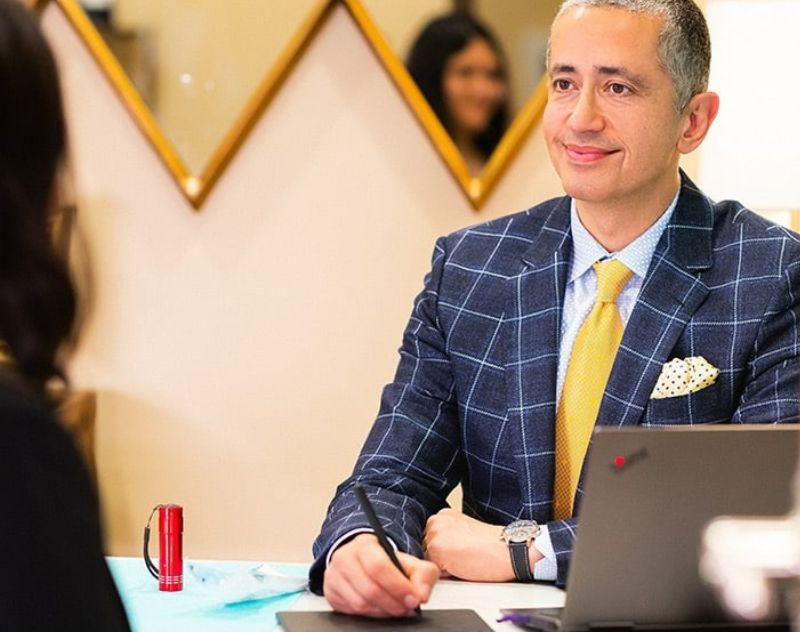
As aesthetic trends keep evolving, one thing has become kind of clear: the era of overfilled, artificial-looking faces is slowly fading. Patients now seem to prioritize realness, a more refined touch, plus natural rejuvenation.
And leading that movement is the deep plane facelift.
For younger patients especially, the procedure represents something larger than cosmetic surgery alone. It reflects a cultural shift toward prevention, confidence, and aging on one’s own terms.
“The goal should never be to look like someone else or chase unrealistic trends,” says Dr. Shervin Naderi. “The best facial rejuvenation enhances who you already are and allows you to age beautifully with confidence.”
Schedule a consultation here.