Deep Plane Facelift in the Washington DC Area: Reston, VA and Chevy Chase, MD
Dr. Shervin Naderi is a double board-certified facial plastic surgeon with more than 25 years of experience in facial aesthetic surgery. He performs deep plane facelift and neck lift surgery for patients throughout Washington DC, Northern Virginia and Maryland from The Naderi Center’s offices in Reston, Virginia and Chevy Chase, Maryland. His approach to facelift surgery focuses on restoring youthful facial contours while preserving each patient’s natural appearance and individuality.

25+ Years of Facial Surgery Experience
Advanced Deep Plane Face & Neck Lift Techniques
Double Board-Certified Facial Plastic Surgeon
Named to Newsweek America’s Best Plastic Surgeons for Facelift
- 2026















Facelift Before and After Photos at The Naderi Center
Facelift results at The Naderi Center. Many of these patients also had a neck lift or eyelid surgery, as noted under each photo.
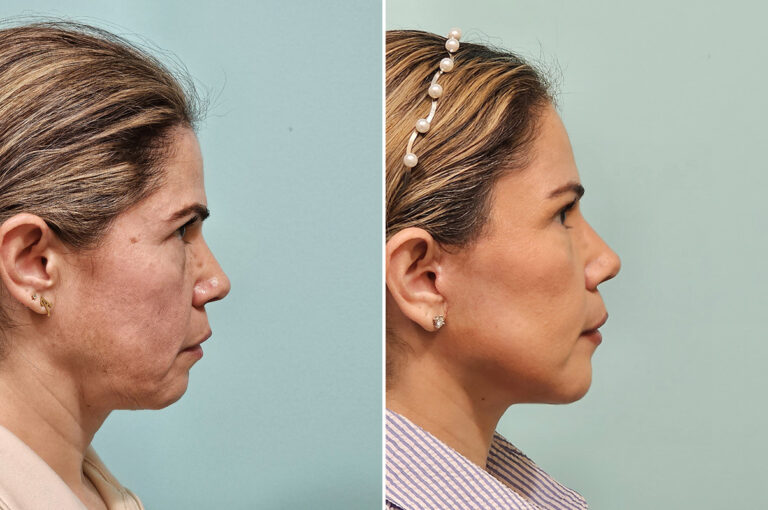 Jowls and heaviness in the lower faceLower facelift and neck lift for jowls, heaviness in the lower face and a soft neck. Two months after surgery.See all views of this patient →
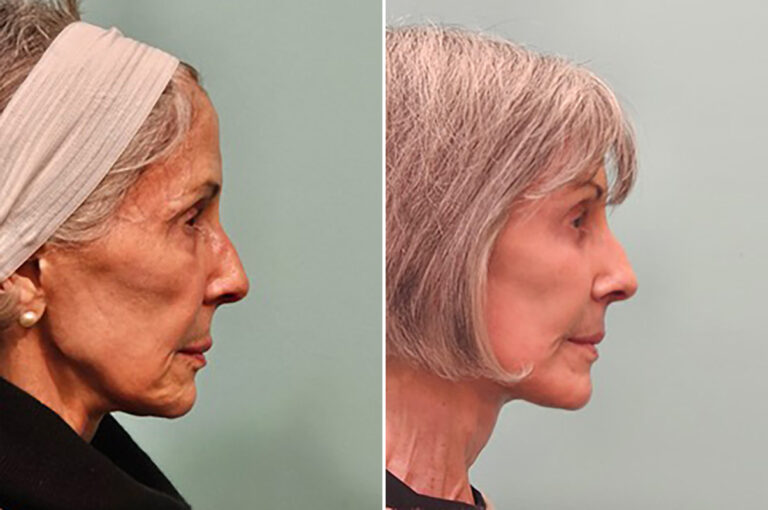 A secondary faceliftSecondary lower facelift and neck lift for laxity that returned along the jawline and neck after an earlier facelift.See all views of this patient →
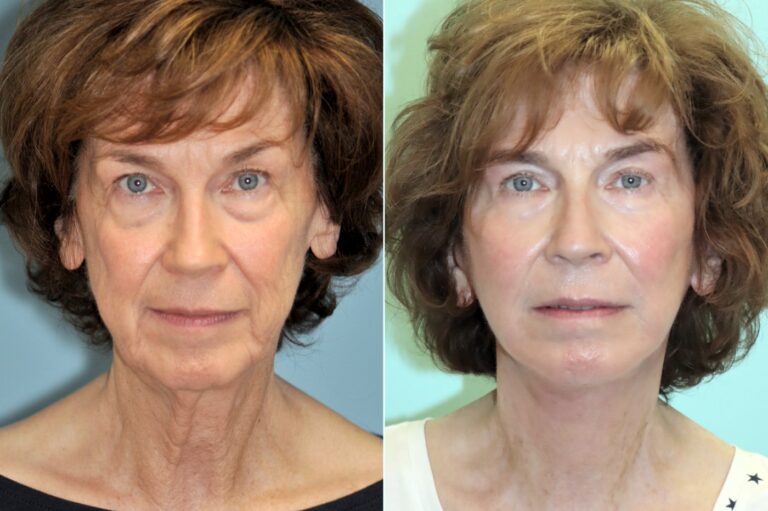 Tighter, and still naturalLower facelift and neck lift for loose skin along the jowls and neck, with upper and lower eyelid surgery and laser resurfacing around the eyes.See all views of this patient →
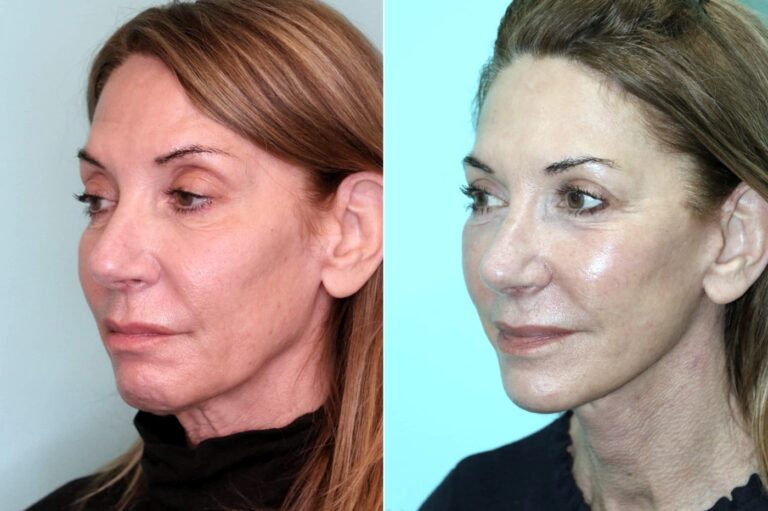 A smoother jawline at three monthsFacelift and neck lift with upper and lower eyelid surgery, for laxity in the jowls, lower face and neck. Three months after surgery.See all views of this patient →
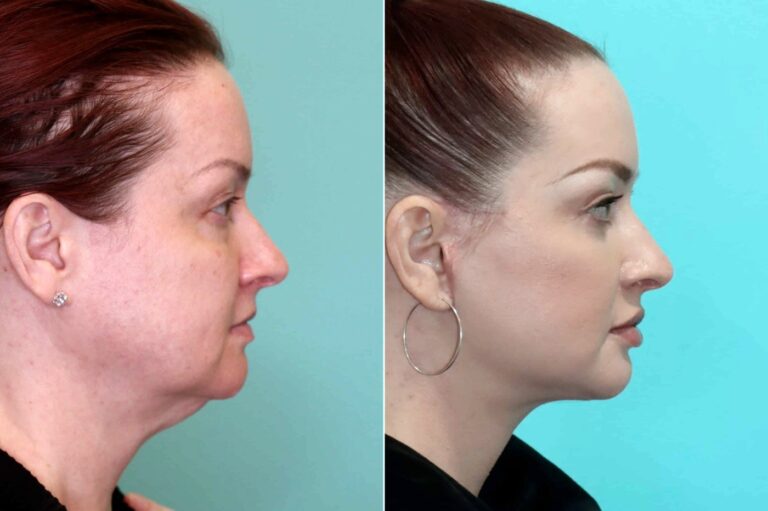 Laxity around the jowls and neckLower facelift, neck lift and lower eyelid surgery for laxity around the jowls and neck.See all views of this patient →
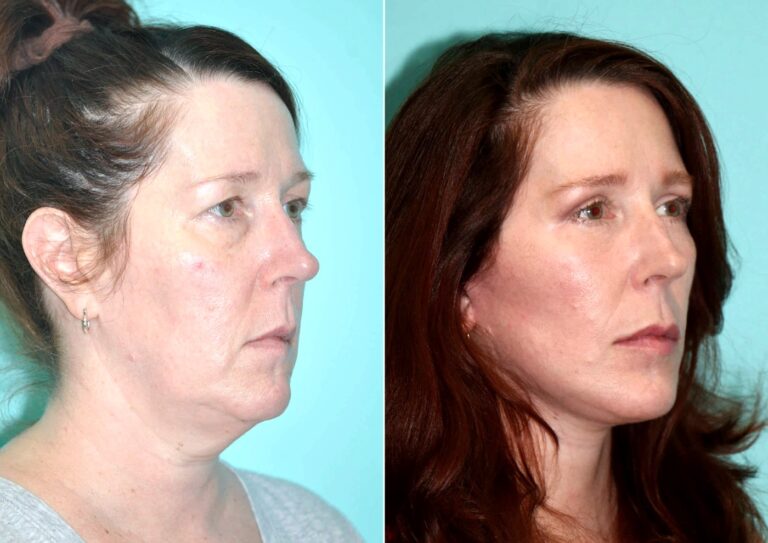 A full facial rejuvenationFacelift, neck lift, upper and lower eyelid surgery and CO2 laser resurfacing around the eyes.See all views of this patient →
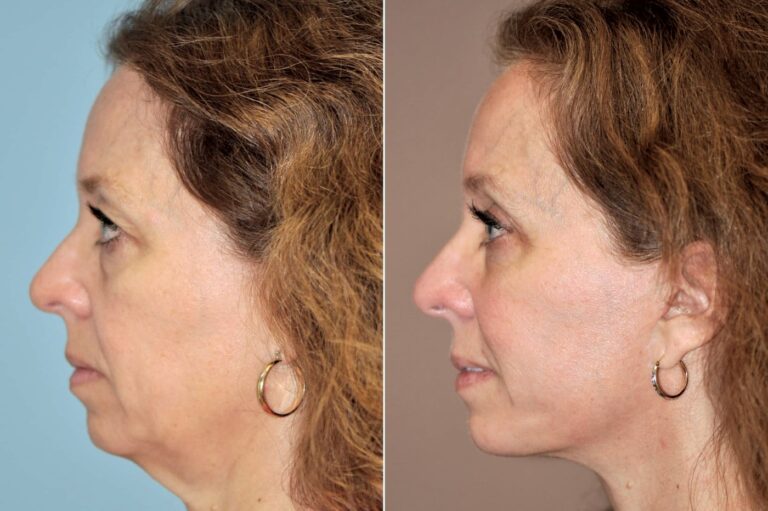 Jowls and facial laxityFace and neck lift with upper eyelid surgery, for facial skin laxity and jowls.See all views of this patient →
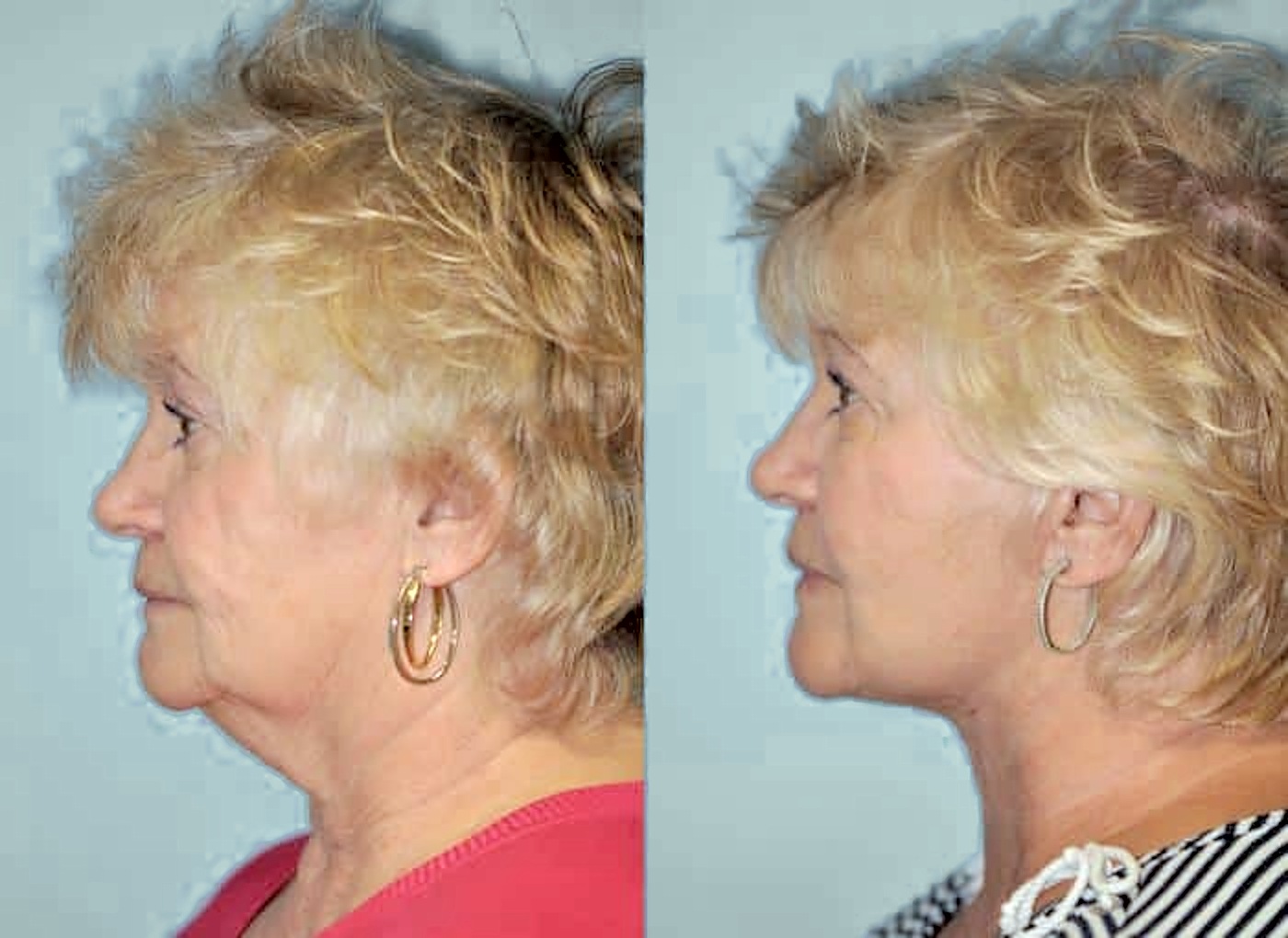 Neck laxity and jowlsFacelift and neck lift for neck laxity and jowls.See all views of this patient →
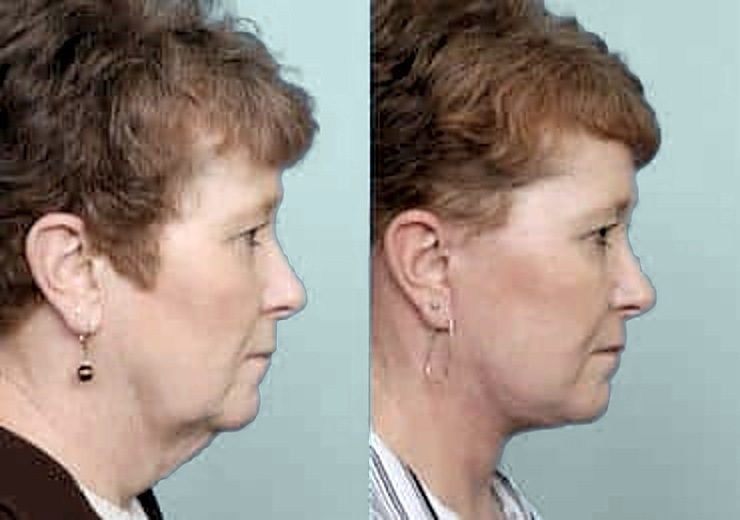 Jowls and fullness under the chinCheek and neck lift (facelift) for jowls and fullness under the chin.See all views of this patient →
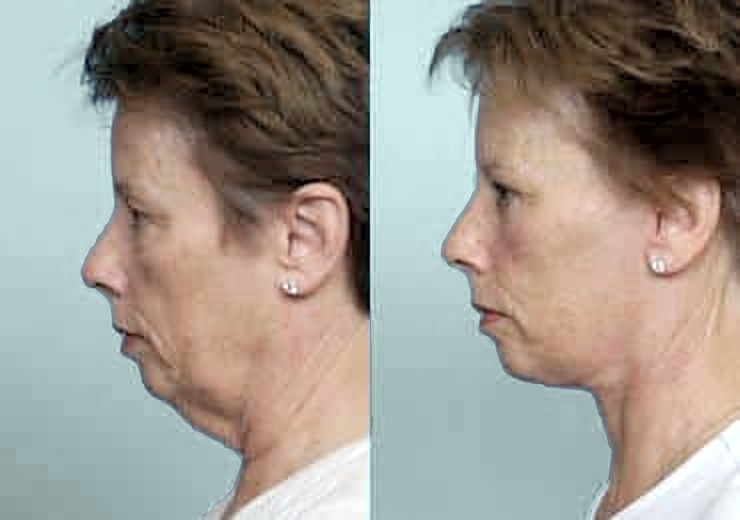 Severe jowls and a full neckCheek and neck lift (facelift) with upper and lower eyelid surgery, for severe jowls, fullness under the chin and heavy eyelids.See all views of this patient →
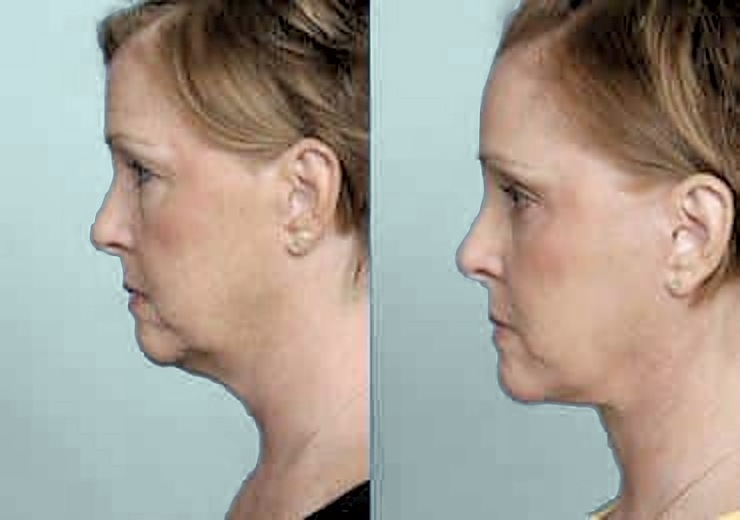 Jowls, neck fullness and heavy eyelidsCheek and neck lift (facelift) with upper and lower eyelid surgery.See all views of this patient →
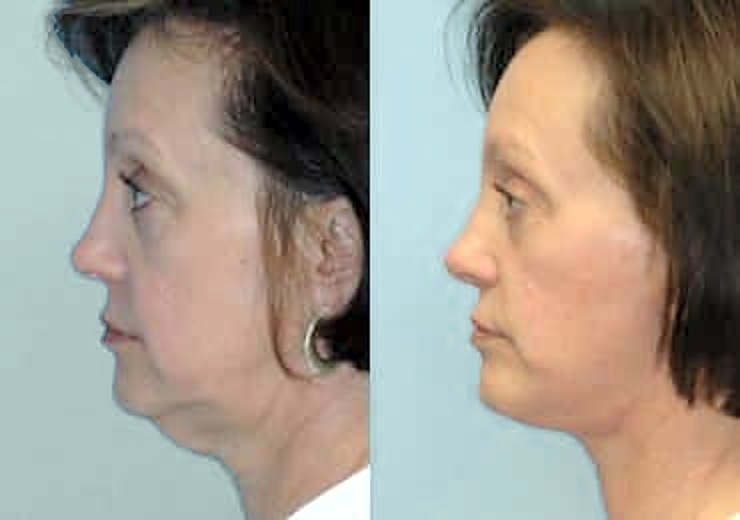 A smoother neck and jawlineLower facelift to improve the neck and jawline.See all views of this patient →
Each patient is unique and individual results may vary.
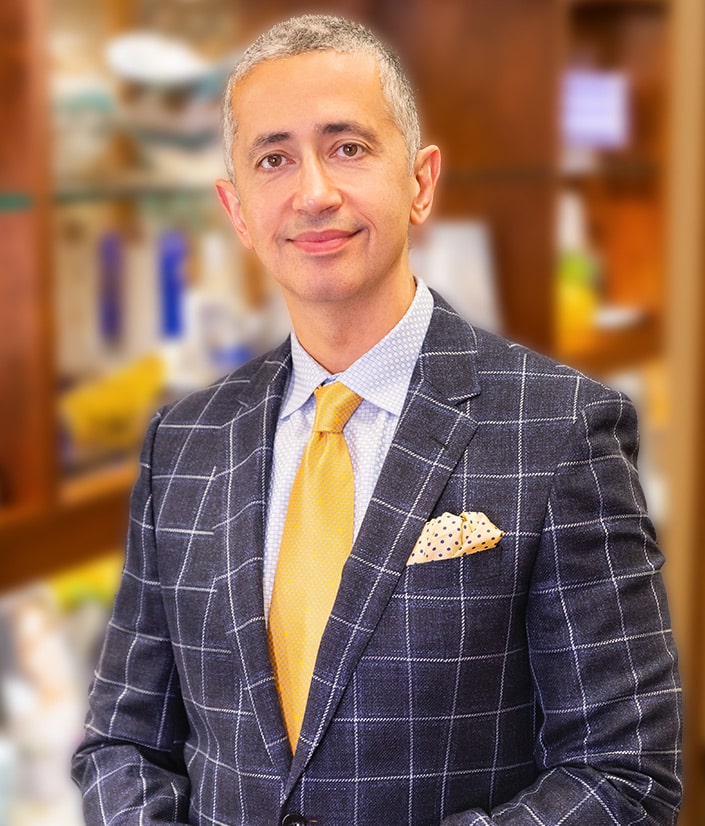
Your Facelift Surgeon
Why Patients Choose Dr. Naderi for a Deep Plane Facelift
Patients considering a deep plane facelift should look beyond the name of the procedure and carefully evaluate the surgeon performing it. Dr. Naderi’s goal is meaningful rejuvenation that keeps the features that make you recognizable, not a tight, pulled or operated look.
- 25+Years of facial surgery experience
- 50,000+Patients treated
- Double Board Certified, FACSCertified by the American Board of Facial Plastic and Reconstructive Surgery and the American Board of Otolaryngology–Head and Neck Surgery. Fellow of the American College of Surgeons.
- Focused on the Face, Nose and NeckDr. Naderi is a facial plastic and reconstructive surgeon whose surgical practice is focused on the face, nose and neck.
- Facelift Textbook AuthorCo-author of the facelift chapter, “Rhytidectomy,” in Facial Plastic and Reconstructive Surgery, Third Edition (Thieme).
- Board ExaminerHas served as an Oral Board Examiner for the American Board of Facial Plastic and Reconstructive Surgery, helping evaluate surgeons seeking board certification.
- Trained by a Past President of the AAFPRSFellowship in facial plastic and reconstructive surgery under Dr. Stephen W. Perkins, a world-renowned surgeon and past president of the American Academy of Facial Plastic and Reconstructive Surgery.
- Recognized by Newsweek and WashingtonianNamed to Newsweek America’s Best Plastic Surgeons for Facelift in 2026, and selected year after year as a Washingtonian Top Doctor in Plastic Surgery.
- Medical Director, Prince William Surgery CenterDr. Naderi performs facelifts at Prince William Surgery Center, where he has been medical director since 2023.
- From SMAS to Extended Deep PlaneHis facelift technique has evolved over his career, from traditional SMAS techniques to the extended deep plane approach he uses today, so he can tailor the operation to each face.
- The Naderi Architectural Lift™Dr. Naderi developed The Naderi Architectural Lift™ around one idea: rejuvenation should fit each patient’s facial structure, neck, skin and pattern of aging.
Patient Reviews




Experience and Contributions to Facelift Surgery
Dr. Shervin Naderi has more than 25 years of experience in facial plastic surgery and has contributed to the education of other surgeons in facial rejuvenation.
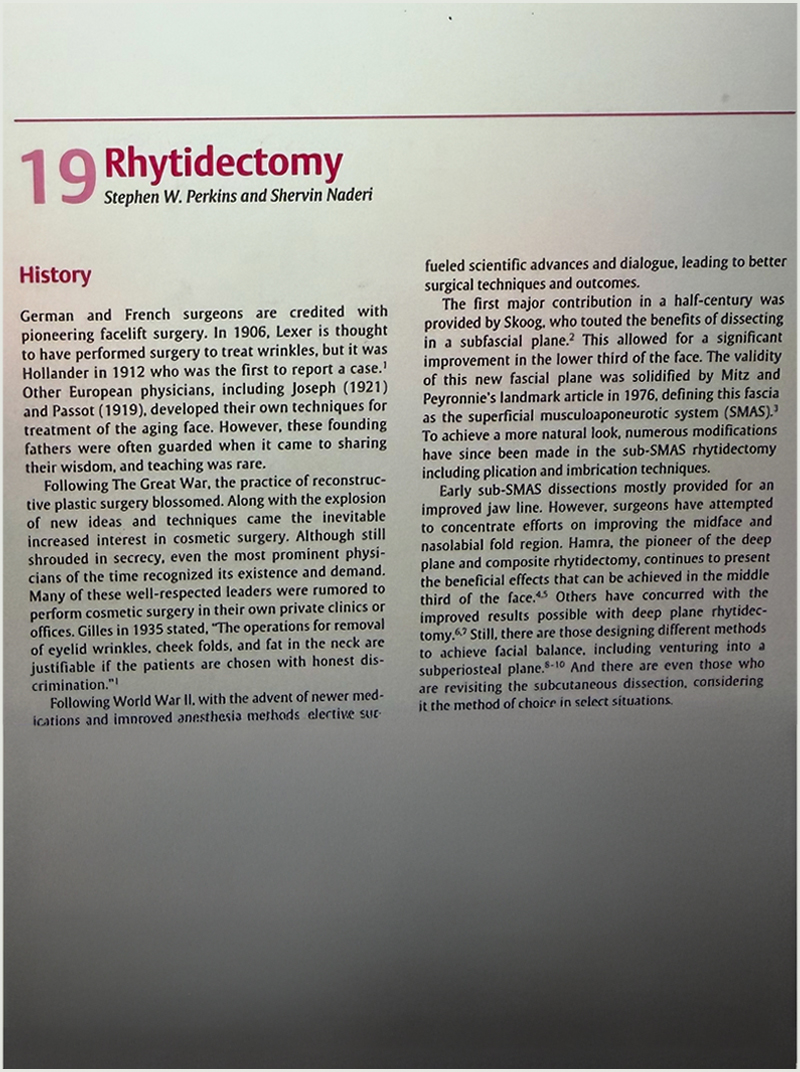
He co-authored the chapter “Rhytidectomy” in Facial Plastic and Reconstructive Surgery, Third Edition, a surgical textbook published by Thieme. The chapter covers the anatomy, evaluation, surgical techniques, and principles involved in facelift surgery.
His experience with facelift surgery has evolved over the course of his career, from traditional SMAS techniques to the extended deep plane approach he uses today. That experience influences how he evaluates facial aging and individualizes each facelift rather than applying the same operation to every patient.


On the cover in 2006
Performing facelifts for 20 years
In 2006, Go magazine put Dr. Naderi on its cover, photographed in the operating room under the headline “Need a lift?” Twenty years later, facelift surgery is still at the center of his practice, and his technique has evolved into the extended deep plane approach he uses today.

What Is a Deep Plane Facelift?
A deep plane facelift (rhytidectomy) is an advanced facial rejuvenation procedure designed to address age-related changes in the midface, lower face, jawline, and neck. Rather than simply tightening loose skin, a deep plane facelift works beneath the superficial musculoaponeurotic system (SMAS) to release and reposition the deeper facial tissues that descend with aging.
As the face ages, several changes occur simultaneously. Skin loses collagen and elasticity, facial fat shifts and decreases in certain areas, retaining ligaments contribute to visible folds and tissue descent, and the underlying facial skeleton gradually loses volume. Together, these changes can lead to flattening and descent of the cheeks, deeper nasolabial folds, jowls, loss of jawline definition, and laxity of the face and neck.
A youthful face often has greater volume through the cheeks and midface with a narrower, more defined lower face. With aging, this relationship can gradually reverse as midface tissues descend and jowls develop.
Deep plane facelift surgery addresses these structural changes by releasing key facial retaining ligaments and repositioning the deeper tissues of the face as a more natural anatomical unit. Because the lift is created at a deeper level, less reliance is placed on pulling or tightening the skin. The goal is to restore youthful facial contours, improve the cheeks, jowls and jawline, and create a natural-looking result without an overly tight or “operated” appearance.
One of the greatest advantages of the deep plane approach is that significant rejuvenation can be achieved without relying on excessive tension on the skin. The goal is a face that looks younger and more refreshed, but still natural and recognizable.
Deep Plane Facelift at a Glance
| Topic | Deep plane facelift with Dr. Naderi |
|---|---|
| Surgery time | About 4 hours |
| Anesthesia | General |
| Overnight stay | No, you go home the same day |
| Drains | Not usually |
| Back to work | About 2 weeks |
| Exercise | After one month |
| Results last | 10 years or more |
| Cost | $35,000 to $70,000, including anesthesia and the surgical facility |
Deep Plane vs. SMAS vs. Skin-Only Facelift
| Topic | Deep plane facelift | SMAS facelift | Skin-only facelift |
|---|---|---|---|
| What it does | Releases the retaining ligaments so the cheeks, jowls and jawline move as one unit. The skin is redraped with little tension | Tightens, folds or repositions the SMAS layer without fully releasing the ligaments | Lifts and tightens the skin alone |
| At The Naderi Center | Dr. Naderi’s main approach today | Performed extensively earlier in Dr. Naderi’s career | An older technique |
Read more about the techniques below, or watch Dr. Naderi explain deep plane vs. SMAS facelift.
What Results Can a Deep Plane Facelift Achieve?
- Elevate descended cheek and midface tissues
- Reduce jowling and restore a more defined jawline
- Improve loose skin and laxity of the lower face
- Improve facial folds created by tissue descent
- Create a smoother, more youthful transition between the face and neck
- Reposition deeper facial tissues without relying on excessive tension on the skin
Facelift Case Studies
Three of our facelift patients in more detail. Each patient is unique and individual results may vary.
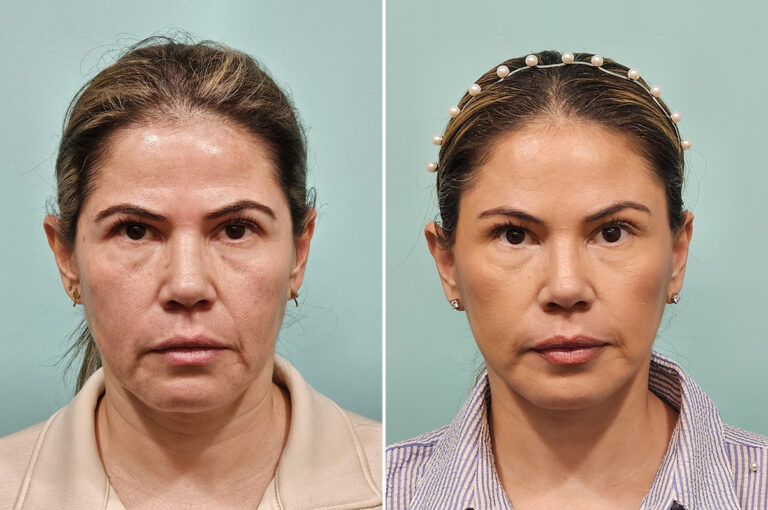
Jowls and heaviness in the lower face
The concernShe was bothered by jowls, heaviness in the lower face and a loss of definition in the neck, and wanted a natural, refreshed look.
What was doneA lower facelift and neck lift, working on the marionette lines, jawline and neck contour to reposition deeper tissue and remove extra skin.
The resultTwo months later, a more sculpted jawline and a smoother neck, without a tight or pulled look.
See all views of this patient →A full facial rejuvenation
The concernLaxity around the jowls and neck, heavy upper eyelids and fullness under the eyes.
What was doneFacelift, neck lift, upper and lower eyelid surgery and CO2 laser resurfacing around the eyes.
The resultA smoother jawline and neck and more rested eyes.
See all views of this patient →Tighter, and still natural
The concernShe wanted a better lower face and neckline.
What was doneLower facelift and neck lift for excess skin and laxity in the jowls and face, with upper and lower eyelid surgery and laser resurfacing around the eyes.
The resultTighter, smoother skin, and she still looks very natural.
See all views of this patient →Who Is a Good Candidate for a Deep Plane Facelift?
A good candidate for a deep plane facelift is someone who is healthy, has realistic expectations, and has enough facial and neck aging to actually benefit from surgery. Dr. Naderi does not believe there is a specific age when someone should have a facelift. Some patients are ready in their 40s, while others may not need one until their 60s or later. What matters is the anatomy, not the age.
Common reasons patients consider facelift surgery include jowling, loss of jawline definition, descent of the cheeks, and laxity of the face and neck.
Most importantly, Dr. Naderi believes there needs to be enough of a problem to justify having an operation. If he doesn’t think a facelift will make a meaningful difference, he will tell the patient to wait.

Ideal Age for Facelift Procedure
There is no ideal age for a facelift. Most patients who undergo facelift surgery are in their 40s, 50s, or 60s, but Dr. Naderi believes anatomy is much more important than age. Some patients develop jowling, cheek descent, and neck laxity relatively early, while others maintain good facial contours much later in life.
The right time to consider a facelift is when facial aging has become significant enough that surgery can produce a meaningful improvement and nonsurgical treatments can no longer adequately address the problem. Dr. Naderi does not recommend having a facelift simply because a patient has reached a certain age. If the changes are not significant enough to justify surgery, he will recommend waiting.
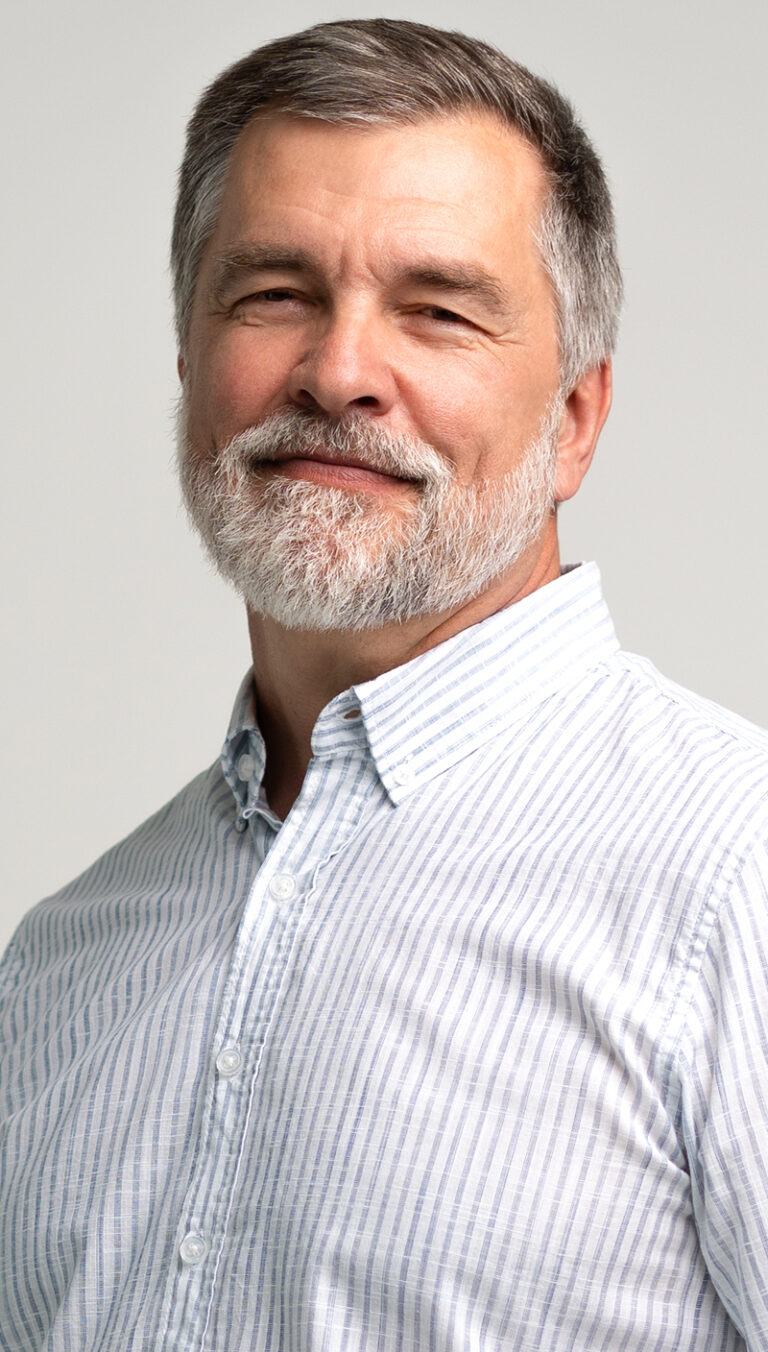
Deep Plane Facelift Surgery for Men
Facelift surgery in men requires particular attention to the jawline, neck, hairline, sideburns, and beard-bearing skin. Many male patients are primarily concerned with jowling, loss of a strong jawline, and laxity beneath the chin and neck.
Dr. Naderi adjusts the operation to the patient’s anatomy rather than using the same facelift design for everyone. Incision placement is especially important in men because shorter hairstyles and facial hair can make poorly positioned scars or changes in the hairline more noticeable.
The neck is often an important part of male facial rejuvenation. Depending on the anatomy, treatment may involve the platysma, submental fat, and deeper neck structures in addition to the deep plane facelift. In some patients, chin augmentation or other procedures may also improve the balance and definition of the lower face.
Facelift Surgical Techniques
There are several ways to perform a facelift, and the major difference between techniques is how the deeper tissues of the face are treated. Traditional approaches may tighten or reposition the SMAS, while a deep plane facelift releases key retaining ligaments and allows the deeper facial tissues to be repositioned as a more natural unit.
Dr. Naderi primarily uses a deep plane approach because it allows him to address descent of the cheeks, jowls, and jawline without relying on excessive tension on the skin. The skin is then redraped naturally and any excess is carefully removed. Incisions are designed around the natural contours of the ear and hairline with particular attention to preserving the hairline and creating inconspicuous scars.
Cutaneous Lift
A skin-only, or cutaneous, facelift is an older technique in which the facial skin is elevated and tightened without significant repositioning of the deeper SMAS and facial tissues. Although it can improve loose skin, the correction relies more heavily on tension at the skin level and does not address deeper tissue descent in the same way as modern SMAS or deep plane techniques.
Dr. Naderi generally prefers deeper structural facelift techniques because they allow the underlying tissues to be repositioned while the skin is redraped with less tension.
“Simply pulling the skin tighter is not how I approach facial rejuvenation. I want to reposition the tissues that have actually descended with aging and then allow the skin to lie naturally over them.”
Dr. Shervin Naderi
SMAS Plication
SMAS plication is a traditional facelift technique in which the superficial musculoaponeurotic system (SMAS) is folded, tightened, and secured with sutures rather than extensively released and repositioned. It can effectively improve jowling and lower facial laxity and has been used successfully for many years.
Earlier in his career, Dr. Shervin Naderi performed SMAS plication facelifts extensively. As his approach to facial rejuvenation evolved, he transitioned toward extended deep plane techniques. The key difference is that a deep plane facelift releases the retaining ligaments that restrict movement of the deeper facial tissues, allowing the cheek, jowls, and jawline to be repositioned rather than simply tightened.
Today, Dr. Naderi generally favors the extended deep plane approach for patients requiring comprehensive facial rejuvenation. He believes it gives him greater ability to reposition descended tissues while minimizing the amount of tension placed on the skin.
Composite Facelift
The composite facelift was developed as an extension of deeper-plane facial rejuvenation techniques. Rather than treating the skin and SMAS as separate layers, the technique elevates multiple facial tissues together as a composite unit. A distinguishing feature of the classic composite facelift is the incorporation of the orbicularis oculi muscle and tissues of the cheek, allowing the surgeon to address aging of the midface and lower eyelid-cheek junction in addition to the lower face.
The composite facelift helped advance the concept that facial aging is caused by descent of deeper tissues rather than simply loose skin. Many of these principles influenced the development of modern deep plane and extended deep plane facelift techniques.
Dr. Naderi incorporates the principles that he finds most useful into an individualized surgical plan rather than performing the same operation on every patient.
Deep Plane Facelift: The Architectural Lift
Dr. Naderi performs an extended deep plane facelift to release the retaining ligaments and reposition the descended tissues of the cheek, lower face, and jawline. Rather than relying on skin tension to create the lift, the deeper tissues are repositioned and the skin is allowed to redrape naturally.
His approach is not limited to the facelift itself. Dr. Naderi evaluates the face and neck as a whole, including the cheeks, jawline, platysma, deeper neck structures, facial volume, eyelids, brows, and skin quality. Depending on the patient, surgery may include deep neck rejuvenation, fat grafting, blepharoplasty, brow lifting, or laser resurfacing.
Dr. Naderi refers to this individualized approach as the Architectural Lift. The concept is simple: facial rejuvenation should address the structures that have changed with aging while preserving the features that make the patient recognizable. The goal is meaningful rejuvenation without creating a tight, pulled, or obviously operated appearance.
Facelift Incision Lines
Careful incision placement is an important part of a natural-looking facelift. Dr. Naderi designs his incisions around the natural contours of the ear and hairline so that, once healed, they are as inconspicuous as possible.
Around the ear, the incision is carefully positioned to camouflage the scar while preserving the natural shape of the tragus and earlobe. Particular attention is also paid to the temporal and posterior hairlines so that the facelift does not unnecessarily distort or shift the hairline.
Just as important as where the incision is placed is how much tension is placed on it. Because the deeper tissues provide the support in Dr. Naderi’s deep plane facelift, the skin can be redraped and closed with less tension. His goal is a fine, well-positioned scar that allows patients to comfortably wear their hair up or back after healing.
Mini Facelift
The term “mini facelift” is used very loosely and does not describe one standardized operation. Depending on the surgeon, it may refer to shorter incisions, less skin undermining, limited treatment of the SMAS, a lower-face-only procedure, or simply a facelift with less extensive dissection.
Dr. Naderi believes the important question is not whether a patient needs a “mini” or “full” facelift, but what actually needs to be corrected. A smaller operation can make sense for a patient with limited facial aging, but performing less surgery simply to offer a shorter recovery can also produce an underwhelming result if the underlying problem has not been adequately addressed.
For this reason, Dr. Naderi recommends choosing the extent of surgery based on the patient’s anatomy rather than the name of the procedure. Some patients need relatively limited correction, while others require a more comprehensive deep plane facelift and neck lift to achieve the result they are seeking.
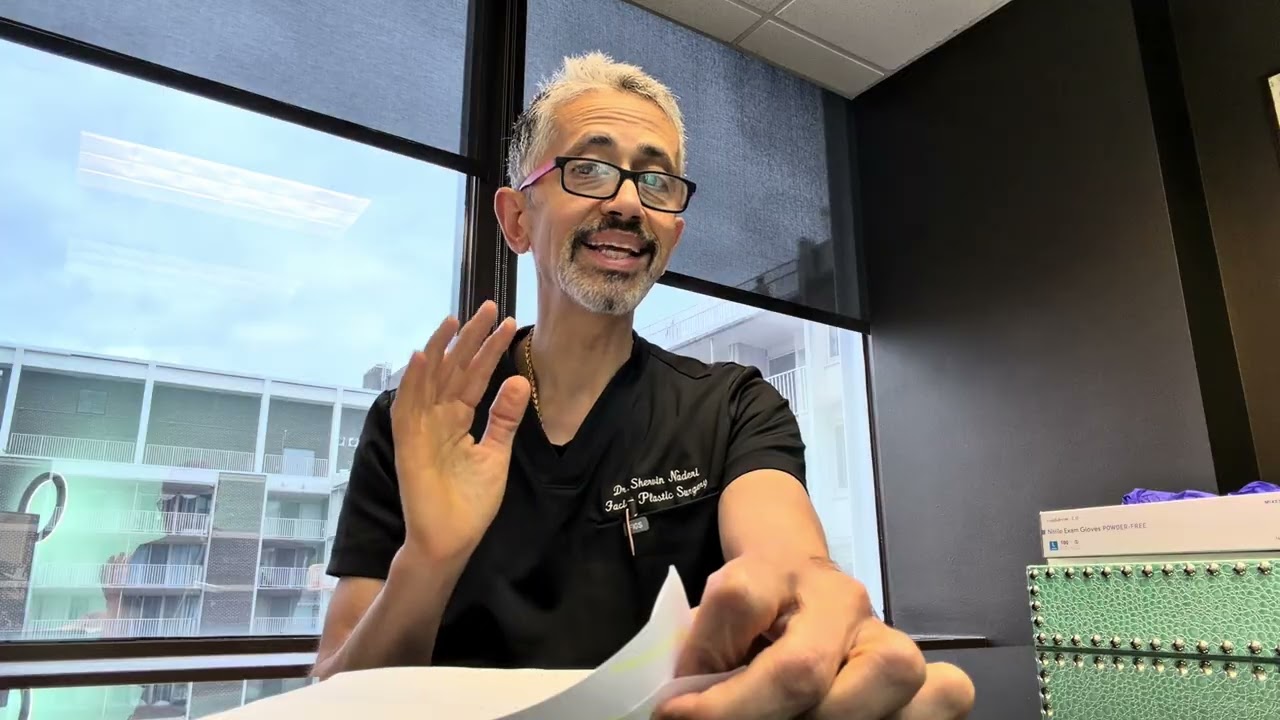
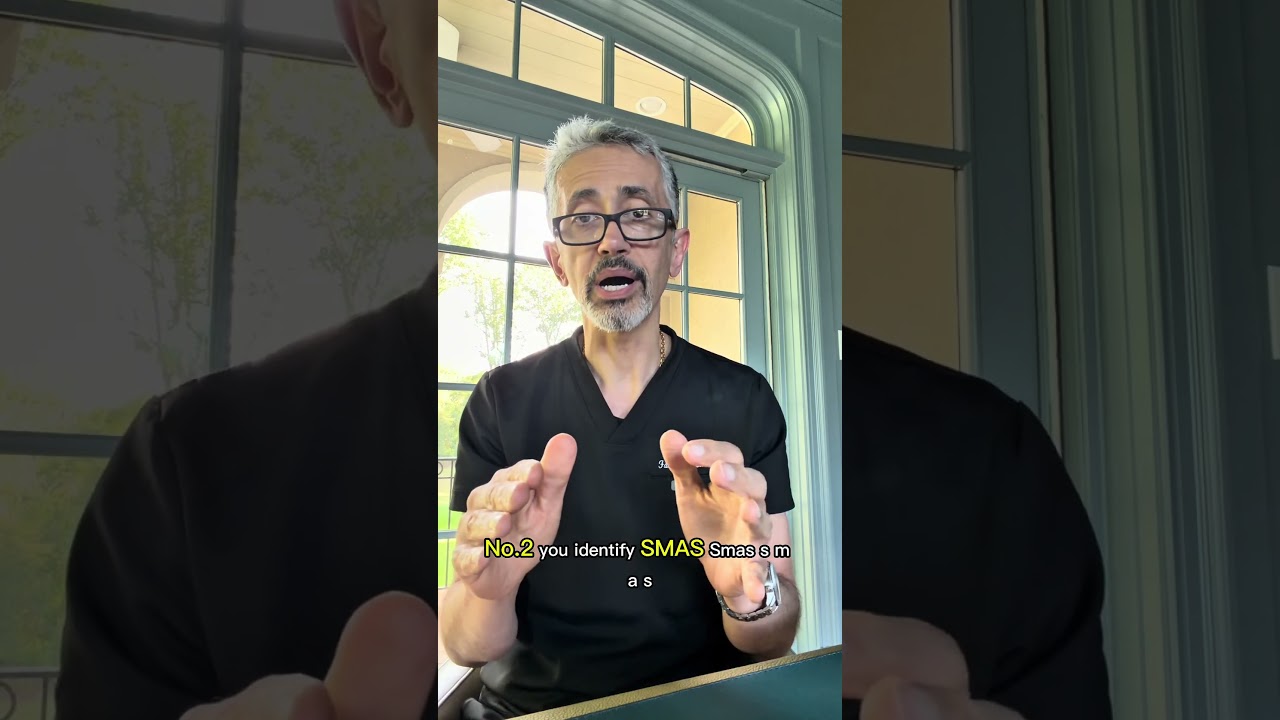
Watch: Deep Plane Facelift vs. SMAS Facelift
More Videos From Dr. Naderi
Other Procedures Commonly Combined with Facelifts
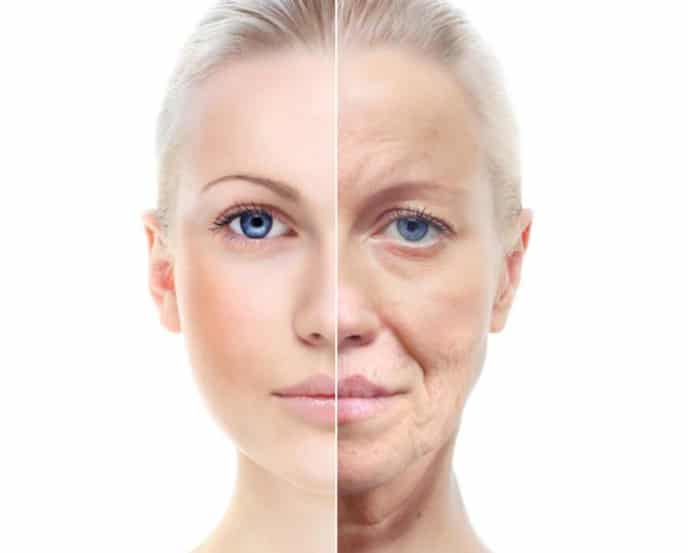
Facial aging rarely affects just one area. A patient with jowling and neck laxity may also have brow descent, aging of the upper or lower eyelids, loss of facial volume, or changes in skin quality.
For this reason, Dr. Naderi evaluates the entire face and neck when planning facelift surgery. Depending on the patient’s anatomy, a deep plane facelift may be combined with other procedures to create a more balanced and natural result. This does not mean that every patient needs multiple procedures. Dr. Naderi recommends additional treatment only when it meaningfully contributes to the overall result.
- Upper and Lower Blepharoplasty (eyelid surgery)
- Deep Plane Neck Lift
- Chin Implant Placement
- Facial Fat Grafting
- CO2 Laser Resurfacing
- Brow lift Surgery
- Neck Liposuction
Can a Liquid Facelift Replace a Surgical Facelift?
A “liquid facelift” uses injectable treatments such as dermal fillers and Botox to address certain signs of facial aging without surgery. Fillers can restore lost facial volume, while Botox can soften wrinkles caused by facial muscle movement.
These treatments can be very effective for the right patient, but they cannot reposition descended facial tissues, remove loose skin, or correct significant jowling and neck laxity in the way a surgical facelift can. Attempting to compensate for significant tissue descent by repeatedly adding filler can sometimes make the face appear heavier or overfilled rather than younger.
Dr. Naderi has extensive experience with facial injectables and believes the choice between nonsurgical treatment and facelift surgery should depend on the patient’s anatomy and the changes actually causing the aged appearance. For patients with primarily volume loss or early signs of aging, injectables may be appropriate. When tissue descent and laxity become the dominant problem, surgery may provide a more natural and meaningful correction.
Surgical/Standard Facelift vs. Liquid Facelift
| Surgical Facelift | Liquid Facelift |
|---|---|
| Longevity of results (~10yrs) | Longevity of results (6-9 months for dermal fillers, 3-4 months for Botox/Dysport) |
| More corrected result | Partially corrected result |
| Surgically invasive | Non-invasive |
| Higher risk | Low risk |
| Extended downtime | Little to no downtime |
How Much Does a Deep Plane Facelift Cost?
A variety of factors determine the overall cost of your deep plane facelift procedure.
The cost of a deep plane facelift varies depending on the extent of surgery and whether additional procedures are performed at the same time. Dr. Naderi individualizes each operation based on the patient’s anatomy rather than using a standardized package of procedures.
The total cost may include:
Dr. Naderi’s surgeon’s fee
Anesthesia fees
Operating room and surgical facility fees
Preoperative medical evaluation and laboratory testing
Prescription medications
Any additional procedures performed with the facelift
Routine postoperative visits related to the surgery are included in Dr. Naderi’s surgeon’s fee.
A deep plane facelift (Naderi Architectural Lift™) at The Naderi Center ranges from $35,000 to $70,000. This range includes Dr. Naderi’s surgeon’s fee, anesthesia, and surgical facility fees. Prices are subject to change, and your exact quote is provided after your consultation.
For current pricing on all procedures, please visit our Menu of Services page.
Deep Plane Facelift Consultation
Facelift consultations with Dr. Naderi are available at The Naderi Center in Reston, Virginia and Chevy Chase, Maryland, serving patients throughout Northern Virginia, Maryland, Washington DC, and beyond.
During your consultation, Dr. Naderi will evaluate your face and neck as a whole, including the cheeks, jowls, jawline, neck, facial volume, eyelids, brows, and skin quality. He will discuss what is contributing to the changes you see and whether a deep plane facelift, additional procedures, nonsurgical treatment, or simply waiting would be most appropriate.
If surgery is recommended, Dr. Naderi will explain the proposed surgical plan, incision placement, expected scars, recovery, risks, and realistic expectations for the result. Patients are encouraged to ask questions and review before-and-after photographs of patients with similar anatomy.
The consultation is also an opportunity to determine whether surgery is actually worthwhile. Dr. Naderi does not believe that every patient who comes in asking for a facelift needs one. If he does not think surgery will provide enough benefit to justify an operation, he will recommend waiting or discuss other options.
How a Deep Plane Facelift Is Performed
Your facelift is done under general anesthesia at Prince William Surgery Center, where Dr. Naderi has been medical director since 2023. Surgery takes about 4 hours. You go home the same day, and drains are not usually needed.
Major facial surgery that needs anesthesia is not performed in the office. After surgery you spend several hours in the recovery area before going home with a responsible adult.
Watch: Dr. Naderi explains how to prepare for a deep plane facelift and what to expect during recovery.
Deep Plane Facelift Recovery, Week by Week
Most patients go back to work and social plans after about two weeks and to exercise after one month. Swelling, firmness, numbness and scars keep improving for several months.
| When | What to expect |
|---|---|
| Day of surgery | About 4 hours under general anesthesia. You go home the same day with a responsible adult, and drains are not usually needed. |
| Day after | Dressings come off. |
| First week | Most sutures are removed. |
| Two weeks | Most patients are back to work and social plans. |
| One month | Back to exercise. |
| Several months | Swelling, firmness, numbness and scars keep improving. |
Many patients have surprisingly little pain. Tightness, swelling, bruising and numbness are usually more noticeable than pain. See our deep plane facelift recovery timeline and Dr. Naderi’s facelift and neck lift post-operative instructions. Dr. Naderi also shared which foods and vitamins to avoid before surgery in NewBeauty’s “5 Ways to Heal Faster After Surgery.”
How Long Does a Deep Plane Facelift Last?
A deep plane facelift typically lasts 10 years or more. Your face keeps aging, but it stays ahead of where it would have been.
How long your result lasts also depends on you. Patients who stay out of the sun, don’t smoke, use good medical-grade skin care and keep up with non-invasive follow-up treatments tend to keep their results longer.
Deep Plane Facelift Risks and Safety
Like any surgical procedure, a deep plane facelift has potential risks and complications. Most patients heal without significant problems, but understanding these risks is an important part of deciding whether to undergo surgery.
Potential complications of facelift surgery include:
Hematoma – A collection of blood beneath the skin is one of the more common early complications after facelift surgery and most often occurs within the first 24 hours. A significant hematoma may require prompt surgical drainage.
Bleeding and Seroma – Bleeding or an accumulation of fluid beneath the skin can occasionally occur and may require drainage or additional treatment.
Nerve Injury – Temporary numbness is common after facelift surgery as small sensory nerves are affected during surgery and gradually recover. Injury to branches of the facial nerve that control facial movement is much less common but can result in temporary weakness and, rarely, permanent dysfunction.
Infection – Infection following facelift surgery is uncommon but possible and may require antibiotics, drainage, or other treatment.
Skin or Wound-Healing Problems – Reduced blood supply can result in delayed healing or, rarely, skin necrosis. Smoking and nicotine exposure significantly increase the risk of wound-healing complications, which is why patients must follow Dr. Naderi’s instructions regarding nicotine use before and after surgery.
Scarring and Hairline Changes – Facelift incisions are designed to be as inconspicuous as possible, but all surgery produces scars. Occasionally, scars may become raised, widened, or more noticeable. Temporary or permanent hair loss can also occur near an incision.
Asymmetry or Contour Irregularities – Some degree of facial asymmetry exists naturally, and temporary asymmetry can occur during healing. Persistent contour irregularities or asymmetry may occasionally require additional treatment or revision surgery.
Dr. Naderi discusses the potential risks, benefits, alternatives, and expected recovery in detail before surgery. Careful patient selection, appropriate surgical technique, surgery in an accredited facility, and following preoperative and postoperative instructions are all important parts of reducing risk.
Patients should contact The Naderi Center promptly if they develop unexpected swelling, increasing pain, bleeding, drainage, fever, facial weakness, or any other concerning change during recovery.
For an independent overview, see the American Society of Plastic Surgeons’ guide to facelift surgery, risks and safety.
Traveling to Dr. Naderi for a Facelift
If you live outside the Washington DC area, our team plans the trip with you so that you make as few visits as possible. Our guide for out-of-town and international patients covers scheduling, travel and recovery in full.
- Start with a virtual consultation. You send photos of your face and neck ahead of time.
- Receive your surgery plan. Your proposal arrives by email, and a patient coordinator walks you through scheduling.
- Arrive one to two days before surgery. You meet Dr. Naderi in person before your procedure. Pre-operative testing is done with your own doctor within 30 days of surgery.
- Stay for two weeks after surgery. Then you can travel home.
- Follow up from home. Your one-month visit is done by telehealth.
Out-of-town patients have access to our nursing concierge service during recovery.
We are close to Dulles International, Reagan National and BWI airports. Patients often stay at The Ritz-Carlton Tysons Corner, JW Marriott Reston Station, Hyatt Regency Reston or AC Hotel Reston.
Deep Plane Facelift Offices in Reston, VA and Chevy Chase, MD
Dr. Naderi sees deep plane facelift patients at both offices of The Naderi Center. The Reston office is convenient for Great Falls, McLean, Vienna, Tysons, Arlington, Herndon, Ashburn and Fairfax. The Chevy Chase office, in Friendship Heights, is close to Bethesda, Potomac, Rockville and Northwest Washington, DC. Consultations and follow-up visits take place at these offices.
Reston, Virginia
The Naderi Center
1850 Town Center Parkway, Pavilion II, Suite 551
Reston, VA 20190
Chevy Chase, Maryland
The Naderi Center
5454 Wisconsin Avenue, Suite 1655
Chevy Chase, MD 20815
Facelift FAQs
What is a deep plane facelift?
A deep plane facelift is a facial rejuvenation procedure that lifts and repositions the deeper tissues of the face rather than relying primarily on tightening the skin. The technique works beneath the SMAS and releases key retaining ligaments, allowing descended tissues of the cheeks, lower face, and jawline to be repositioned more naturally. The skin can then be redraped with less tension, helping create significant rejuvenation without an overly tight or pulled appearance
How is a deep plane facelift different from a traditional facelift or SMAS facelift?
Both techniques address the deeper SMAS layer of the face, but they treat it differently. A traditional SMAS facelift typically tightens, folds, or repositions the SMAS, while a deep plane facelift releases key retaining ligaments and mobilizes the deeper facial tissues so they can be repositioned as a more natural unit. This allows the cheeks, jowls, and jawline to be lifted with less reliance on tension placed on the skin.
How long do deep plane facelift results last?
Deep plane facelift results can last 10 years or longer, although there is no specific point when a facelift suddenly “wears off.” Surgery turns back the effects of facial aging but does not stop the aging process. Patients continue to age naturally from a more youthful starting point, and factors such as genetics, skin quality, sun exposure, smoking, and weight fluctuations can influence how the face changes over time. Staying out of the sun, not smoking, using good medical-grade skin care and keeping up with non-invasive follow-up treatments all help your result last longer.
How long is recovery after a deep plane facelift?
Most patients should plan for approximately 10 to 14 days of initial recovery after a deep plane facelift. Swelling and bruising improve significantly during the first two weeks, and many patients feel comfortable returning to work and social activities around that time. However, healing continues for several months as residual swelling, firmness, numbness, and incision appearance gradually improve. Exercise can resume after one month.
How long does deep plane facelift surgery take?
About 4 hours, under general anesthesia. You go home the same day.
Will I have drains after a facelift?
Not usually.
When can I exercise after a facelift?
After one month.
What is the best age for a deep plane facelift?
There is no single best age for a deep plane facelift. Some patients develop significant cheek descent, jowling, and neck laxity in their 40s, while others may not benefit from surgery until their 60s or later. Dr. Naderi believes the decision should be based on anatomy rather than age. A facelift makes sense when facial aging is significant enough that surgery can provide a meaningful improvement and nonsurgical treatments can no longer adequately address the problem.
Does a deep plane facelift include a neck lift?
Not necessarily. A deep plane facelift primarily repositions descended tissues of the face, while the neck may require additional treatment depending on the patient’s anatomy. Dr. Naderi evaluates the face and neck together and, when needed, may address the platysma, excess fat, loose skin, and deeper neck structures at the same operation. The goal is to create a natural transition between the face, jawline, and neck rather than treating each area in isolation.
Where are the scars from a deep plane facelift?
Deep plane facelift incisions are typically placed within the natural contours around the ear and extend into or along the hairline where they can be carefully concealed. Dr. Naderi designs the incisions to preserve the natural shape of the tragus, earlobe, and hairline. Because the deeper tissues provide the support for the lift, the skin can be redraped with less tension, which is important for creating fine, inconspicuous scars.
Will a deep plane facelift make me look pulled or unnatural?
A well-planned deep plane facelift is designed to avoid an overly tight or pulled appearance. Instead of relying primarily on tension placed on the skin, the deeper facial tissues are released and repositioned, allowing the skin to redrape more naturally. Dr. Naderi’s goal is meaningful rejuvenation while preserving the patient’s facial identity, expressions, and individual features, not to make someone look like a different person.
Is a deep plane facelift more dangerous because the facial nerve is nearby?
Deep plane facelift surgery involves dissection near branches of the facial nerve, so detailed knowledge of facial anatomy is essential. Facial nerve injury is an uncommon but important potential complication and may cause temporary weakness or, rarely, permanent dysfunction. The deep plane technique follows defined anatomical planes, but no facelift technique is without risk. Patients should choose a surgeon with extensive experience in facial surgery and a thorough understanding of deep plane anatomy.
Can a deep plane facelift be combined with eyelid surgery, brow lift, fat grafting, or laser resurfacing?
Yes. Facial aging often affects multiple areas at the same time, so a deep plane facelift may be combined with procedures such as upper or lower blepharoplasty, brow lift, facial fat grafting, neck rejuvenation, or laser skin resurfacing. Dr. Naderi determines which procedures, if any, should be combined based on each patient’s anatomy and pattern of aging rather than using a standardized package.
Can Botox and fillers replace a deep plane facelift?
Botox and dermal fillers can improve certain signs of facial aging, but they cannot replace a facelift when significant tissue descent, jowling, or skin laxity is present. Botox treats wrinkles caused by muscle movement, while fillers can restore lost facial volume. A deep plane facelift addresses a different problem by repositioning tissues that have descended with aging. In some patients, trying to correct significant facial sagging with excessive filler can create an overfilled or heavier appearance rather than a more youthful one.
How much does a deep plane facelift cost in Washington DC, Virginia, and Maryland?
The cost of a deep plane facelift varies depending on the extent of facial and neck surgery and whether additional procedures are performed at the same time. The total cost may include the surgeon’s fee, anesthesia, and surgical facility fees. Dr. Naderi individualizes each operation based on the patient’s anatomy rather than using a standardized package. At The Naderi Center, a deep plane facelift (Naderi Architectural Lift™) ranges from $35,000 to $70,000, which includes the surgeon’s fee, anesthesia, and surgical facility fees. Prices are subject to change, and your exact quote is provided after your consultation. Current pricing for all procedures is on our Menu of Services.
How do I choose the best deep plane facelift surgeon for me?
When choosing a deep plane facelift surgeon, look beyond the name of the technique. Consider the surgeon’s training in facial surgery, experience with facelift and deep plane anatomy, before-and-after results, scar placement, approach to the face and neck, surgical facility, and management of potential complications. During consultation, the surgeon should also be willing to explain what surgery can realistically accomplish and tell you when a facelift is not yet appropriate.
Dr. Shervin Naderi is a double board-certified facial plastic surgeon with more than 25 years of experience. He co-authored the “Rhytidectomy” (facelift) chapter of the surgical textbook Facial Plastic and Reconstructive Surgery and has been named to Newsweek America’s Best Plastic Surgeons for Facelift in 2026. He sees deep plane facelift patients in Reston, Virginia and Chevy Chase, Maryland.
Where can I get a deep plane facelift near Washington DC?
Dr. Naderi sees deep plane facelift patients at The Naderi Center’s two offices in the Washington DC metropolitan area (the DMV): Reston, Virginia and Chevy Chase, Maryland. The Reston office is convenient for patients from Great Falls, McLean, Vienna, Tysons, Arlington and the rest of Northern Virginia. The Chevy Chase office is on Wisconsin Avenue in Friendship Heights, close to Bethesda, Potomac, Rockville and Northwest Washington, DC.
Surgery is performed at an accredited outpatient surgical center, not in the office. To schedule a consultation, call Reston at 703-481-0002 or Chevy Chase at 301-222-2020, or book online.
I’m traveling from out of town. How long should I stay after a facelift?
Plan to stay two weeks after surgery. Out-of-town patients have access to our nursing concierge service during recovery.
Where is deep plane facelift surgery performed?
At Prince William Surgery Center, where Dr. Naderi has been medical director since 2023.
Do men get deep plane facelifts?
Yes. In men, Dr. Naderi pays particular attention to the jawline, neck, hairline, sideburns and beard-bearing skin, so scars stay hidden and the hairline looks natural.
Medically reviewed by Shervin Naderi, MD, FACS. Dr. Naderi is a double board-certified facial plastic surgeon. Last reviewed .