There are patients in Virginia and Maryland who ask us: “Do I need filler or do I need a facelift?” when they see hollows under the eyes, loose skin on the jawline, or deep folds around the mouth. At The Naderi Center, Dr. Naderi helps patients with this decision every day. Each option works for certain goals, and knowing how they differ helps you avoid disappointment and get results that last.
Considering a facelift? Learn about our deep plane facelift for Washington, DC patients.

Deciding What’s Best for Your Face
- Dermal fillers are a good solution for non-surgical treatment of volume loss and early wrinkles.
- A facelift is the better fix for sagging skin and deep creases that filler alone can’t correct.
- Fillers are temporary, while facelift results typically last 10 years or more.
- At The Naderi Center, the recommendation is based on each patient’s anatomy and goals.
- Combining filler, facelift surgery and skin treatments often gives the most natural, longest-lasting result.
Understanding What Dermal Fillers Do
Dermal fillers are injectable treatments designed to restore lost volume, smooth wrinkles, and enhance features. They are most commonly made of hyaluronic acid, a substance naturally found in the skin, which attracts water and plumps tissues. For patients who want a non-surgical refresh, fillers are an excellent option, though they have limits.

Common Areas for Filler Injections
At The Naderi Center, fillers can be placed in the cheeks, under-eye hollows (tear troughs), temples, lips, marionette lines, nasolabial folds, jawline, and chin. Each area needs its own technique, and all injections are done by physicians only.
How Long Do Fillers Last?
The longevity of fillers depends on the product used and the area injected. On average, fillers last 6 to 18 months. Thicker fillers placed in the cheeks or jawline may last closer to two years, while lip fillers often last less than a year due to constant movement in the area.
Maintenance Timeline for Fillers
Patients who want consistent results with fillers should plan on touch-ups every 6–12 months. This helps maintain a natural, youthful appearance without dramatic fluctuations.
When It’s Too Late for Fillers
Fillers stop looking natural once the skin has loosened too much. Extra filler at that point swells the face, pulls features out of shape or gives an overfilled appearance. Once that happens, a facelift at The Naderi Center for Plastic Surgery restores a natural contour better than any injection.
The Limits of Fillers
Fillers add volume but do not tighten loose skin. They do not smooth the lines, crepey areas, or folds that gravity has pulled downward. For those problems, a facelift performed by Dr. Naderi is usually the most effective solution.
Book a Consultation
Thinking about a deep plane facelift? Meet Dr. Shervin Naderi, double board-certified facial plastic surgeon, at our offices in Reston, VA and Chevy Chase, MD.
Book a ConsultationLearn about deep plane facelift
Call Reston (703) 481-0002 or Chevy Chase (301) 222-2020.
The Role of Facelifts
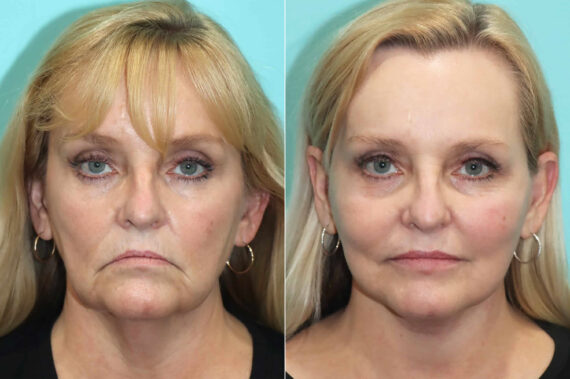
A facelift addresses sagging skin and deep facial folds by repositioning underlying tissues and removing excess skin. Unlike fillers, a facelift directly treats laxity, restoring youthful contours in a way no injection can replicate. Patients from across Washington, D.C., Potomac, Chevy Chase, and Bethesda travel to The Naderi Center for this advanced procedure.
Longevity of Facelift Results
Facelifts typically last 10 years or longer, although what you do afterward (sun protection, not smoking, good skincare) matters. Fillers need repeat visits to keep their effect, while a facelift is a single procedure.
Recovery from a Facelift
The surgery takes about four hours, and drains are not usually needed. Most patients need about two weeks before returning to normal activities, and exercise resumes after about a month. Bruising and swelling are expected at first and fade gradually; within a month, most patients feel comfortable at social events.
Combining Facelifts with Other Cosmetic Procedures
One advantage of surgery is that it allows additional procedures during the same operation. At the Naderi Center for Plastic Surgery and Dermatology, Dr. Naderi can add neck lifts, eyelid surgery, brow lifts and skin resurfacing to a facelift, so the whole face regains a more youthful appearance.
Fillers After a Facelift Surgery
A facelift does not stop a person from later having filler injections. Fillers plump the lips, soften lines or add small amounts of volume where the operation did not. Surgery and fillers fit together well.

Get honest, personalized guidance
Book your consultation with our specialists at Chevy Chase and Reston, and discover what’s right for your face.
Comparing Fillers vs. Facelifts
Fillers replace lost volume; a facelift lifts tissue that has dropped. Many faces need some of both.
Natural Results with Fillers
When performed conservatively by an expert, fillers can look natural and refreshed. The key is subtlety and balance. Overfilling leads to the “pillow face” look patients want to avoid, so more filler is not always better.
Natural Results with Facelifts
Facelifts have evolved significantly. Today’s techniques, including the deep plane facelift Dr. Naderi performs, focus on restoring natural contours rather than pulling the skin tight. He does not create the overdone, pulled look; the goal is a face that looks refreshed and still like you.
Who is a Candidate for Fillers?
Fillers are best for patients in their 30s to 50s with mild to moderate volume loss and early signs of aging, but without significant sagging skin. Many patients start with injectables before moving to surgery.
Who is a Candidate for a Facelift?
Facelifts are best for patients in their 40s, 50s, 60s, and beyond who have moderate to severe laxity, jowls, or deep facial folds that fillers can no longer correct. Dr. Naderi sees facelift patients from across the region, including McLean, Great Falls, Arlington, Alexandria and Vienna, as well as patients who fly in from out of town.

The Cost Factor
Fillers appear cheap at first. Each visit, however, costs money. After ten years, the total spent on repeat injections often surpasses the price of a facelift. For many patients, surgery becomes the cost-effective option in the long run.
Skin Quality vs. Volume
A facelift repositions tissues but does not improve skin quality. Patients with sun damage or fine wrinkles may benefit from lasers or resurfacing in addition to surgery. Fillers don’t change skin health either; they only add volume.
Risks and Safety
Every treatment, surgical or not, carries some risk. An experienced provider lowers that risk and makes the results more predictable.
The Risks of Fillers
Like any medical procedure, fillers have possible side effects. The most common are bruising, swelling, and temporary asymmetry. Rarely, filler can block a blood vessel (vascular occlusion). Hyaluronidase, which dissolves hyaluronic acid filler, is kept on hand in both of our offices.
The Risks of Facelifts
Facelifts are surgery, but they are considered safe in skilled hands. Risks such as scarring, temporary numbness or blood clots are much lower when an experienced surgeon operates in a proper operating room. Dr. Naderi performs facelifts under general anesthesia at Prince William Surgery Center.
Why Experience Matters
Both fillers and facelifts require expertise. A poorly placed filler can distort features, while an inexperienced practitioner can create unnatural facelift results. Dr. Naderi performs both facial surgery and his own injections, so he sees both sides of this decision every day.
Making the Right Decision
A good plan matches your facial structure, age and long-term goals.
The Problem with Medspas
Many medspas only offer injectables, not surgery. This means patients who truly need a facelift are often steered toward more filler instead of being referred out to a surgeon. The result can be overfilled, unnatural appearances and patient dissatisfaction.
How to Avoid Disappointment
Choose a doctor who offers both surgical and non-surgical treatments. At The Naderi Center, each patient is evaluated individually, and the recommendation is not limited to what the practice happens to offer.
How Dr. Naderi Approaches the Decision
Dr. Naderi looks at the shape of the face, how loose the skin is, age and what the patient wants to achieve. Because he has a large injectables practice as well as a surgical one, his advice isn’t skewed toward surgery. He offers non-surgical options to patients who aren’t ready for surgery, and he tells surgical candidates honestly when filler can’t give them the result they want.
Aging and Self-Confidence
Patients often say they feel younger and more confident after fillers or a facelift. Many tell us they feel more at ease in social settings once they no longer look tired.
The Naderi Center Difference
At The Naderi Center, each doctor works in the field they know best. Dr. Shervin Naderi is a double board-certified facial plastic surgeon who specializes in deep plane facelifts, and his surgical practice is devoted to the face. The practice offers non-surgical treatments as well as surgery, so each patient gets a plan built around their own face, with results that look natural and last.
Schedule your consultation here.
See the Doctor
Questions about what you just read? Ask Dr. Naderi in person. Book a consultation in Reston or Chevy Chase, or start with a virtual consultation from home.
Book a ConsultationVirtual consultation
Call Reston (703) 481-0002 or Chevy Chase (301) 222-2020.
Frequently Asked Questions

Patient Financing
Pay Over Time with Cherry
Monthly payment plans for surgery and treatments, including 0% APR options for qualifying patients. Checking whether you qualify won’t affect your credit score.