Have you been wondering what the facelift recovery timeline really looks like and how long it takes to feel like yourself again? Facelift surgery, also known as cosmetic surgery designed to refresh the face, can dramatically improve facial contours and overall appearance when signs of aging start to feel out of sync with how you feel inside.
Understanding what happens after surgery is just as important as understanding the procedure itself. Knowing what to expect during recovery can ease anxiety, help you plan ahead, and allow you to move through the process with confidence as your face heals and your results gradually take shape.

How Long Does It Take to Recover From Facelift Surgery?
Recovery from facelift surgery, medically known as a rhytidectomy, happens in stages rather than all at once. While this surgical procedure is performed in a single day, the healing process unfolds over several weeks and months. Most patients feel comfortable returning to light daily activities within two to three weeks, while swelling and bruising continue to improve gradually. Final results typically become visible around three months, once the tissues have fully settled and the face has healed internally.
The Facelift Recovery Process: A Healing Timeline
Every facelift recovery follows a predictable pattern, but the experience can feel very personal as your face heals and changes day by day. This section breaks down the healing process into clear phases, offering a practical, week-by-week guide to help you understand what is normal at each stage, how your body responds, and when you can expect to see meaningful improvements.
Phase 1: Days 1–2 – The First 48 Hours
The first 24 hours after facelift surgery are focused entirely on rest, protection, and close monitoring as your body begins to heal. During this time, it is normal to experience swelling, bruising, and a sense of tightness in the face and neck. Some discomfort is expected, but it is typically well controlled with prescribed pain medication and proper positioning of the head.
You will leave surgery with bandages in place to support the newly repositioned tissues and help reduce swelling. It is important to take special care of your healing incisions by keeping them clean, dry, and protected, following all post-operative instructions carefully. Limited movement, adequate hydration, and avoiding any strain are essential during this early phase. While these first two days can feel overwhelming, they play a crucial role in setting the foundation for a smooth and successful recovery.
Phase 2: Days 3–7 – Swelling Peaks & Initial Healing
The first seven days after facelift surgery are often when patients notice the most visible changes related to recovery. During the first week, swelling and bruising typically peak before gradually beginning to subside. This can make the face feel tight, puffy, or uneven, which is a normal part of the healing process and not a sign of concern.
This phase is especially important for following instructions that help keep recovery on track. Gentle movement is encouraged, but strenuous activity should still be avoided. Proper incision care remains essential, including cleaning as directed and watching for any signs of irritation. Many patients start to feel more comfortable during this time, even though outward signs of healing are still present. By the end of this phase, swelling often begins to improve, setting the stage for noticeable progress in the weeks ahead.
Phase 3: Week 2 – Stitches Out & Confidence Returning
By the second week of recovery, many patients begin to notice a welcome shift both physically and emotionally. Swelling and bruising continue to improve, and for many, this is when sutures are removed during a follow-up appointment. This milestone often brings a sense of relief and marks an important step forward in the overall healing progress.
As the face starts to settle, visible improvement becomes easier to see, especially along the jawline and neck. While some residual swelling may still be present, the results begin to look more natural, allowing patients to feel more confident when leaving the house. Light daily activities are usually well tolerated at this stage, though strenuous exercise should still be postponed. Week two is often when patients truly feel encouraged, as the outward signs of surgery fade and progress becomes increasingly noticeable.
Phase 4: Weeks 3–4 (Day 30) – Back to Your Normal Routine
During weeks three to four of facelift recovery, many patients feel significantly more like themselves again. By the third week, swelling has continued to decrease, bruising is often minimal, and facial movements feel more natural. These changes make it easier to resume everyday activities and social interactions with greater confidence.
At this stage, most patients are cleared to return to work and normal daily routines. You may still avoid strenuous exercise, but begin incorporating light physical activity as approved by your surgeon. Mild tightness or numbness can persist, especially around the incision areas, but this typically improves with time. Reaching the one-month mark is an encouraging milestone, as it reflects steady healing and a clear transition from early recovery to longer-term refinement.
Phase 5: Month 2–3 – Seeing the Final Results on Your Face
By months two to three after facelift surgery, patients often reach a stage where the majority of visible healing has already occurred. After several weeks of steady improvement, swelling has largely resolved, and the face begins to look smoother, more balanced, and refreshed. Incision lines continue to soften and blend, making them less noticeable with each passing week.
This period is commonly associated with almost full healing, as deeper tissues settle into their new position and facial contours appear more refined. Most patients feel comfortable resuming all normal activities, including exercise, with their surgeon’s approval. While subtle changes can still occur beyond this point, months two to three are when many patients truly appreciate their results and feel confident that their appearance reflects a natural, rejuvenated version of themselves.
Phase 6: Month 3+ – Long-Term Results & Maintenance
After several months have passed, facelift patients typically reach what is considered full recovery. At this stage, swelling has resolved, incision sites have matured, and the face feels completely natural in both appearance and movement. Any lingering tightness or numbness usually continues to fade, allowing patients to fully enjoy the long-term benefits of their procedure.
This phase is also when attention shifts toward long-term maintenance of results. Healthy lifestyle habits, proper skincare, and sun protection all play an important role in preserving facial rejuvenation. Many patients also choose to complement their surgical results with non-surgical treatments over time. While aging naturally continues, the improvements achieved through facelift surgery are designed to last for years, making this final phase less about healing and more about maintaining confidence and satisfaction with your refreshed appearance.
Real Facelift Patient Results
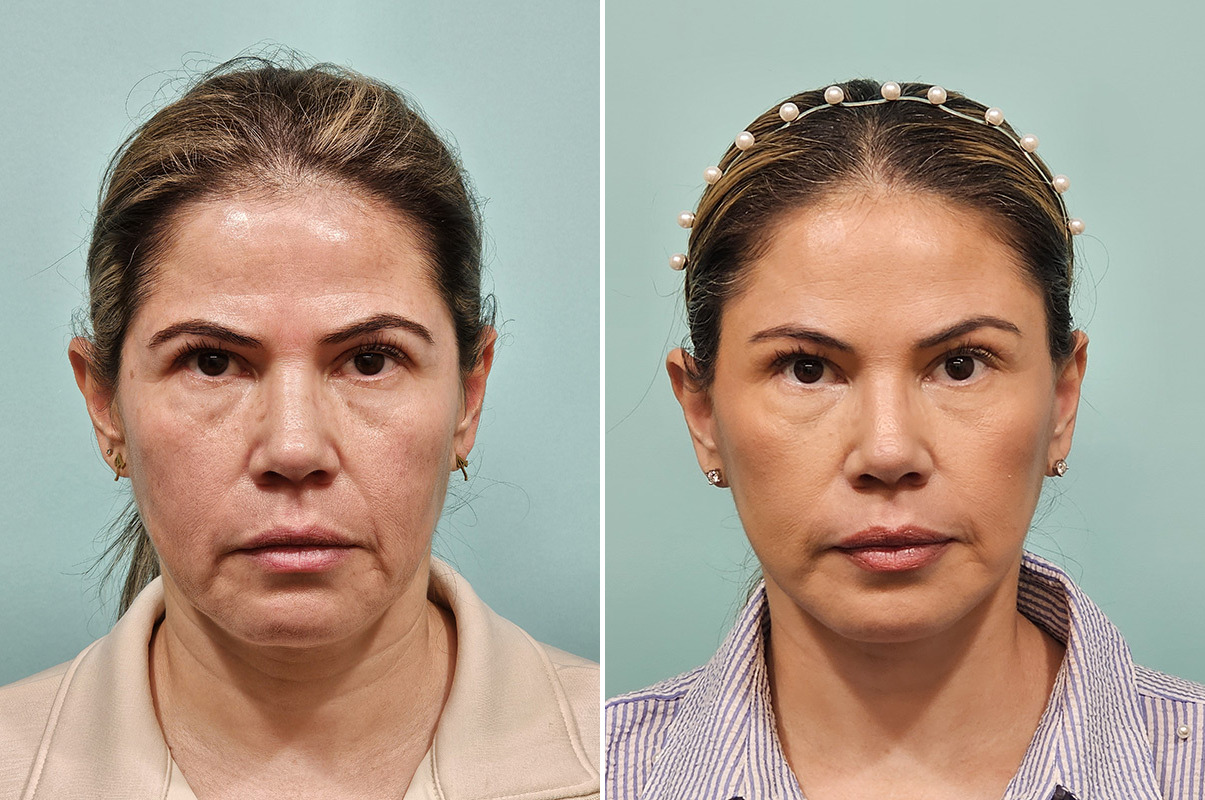
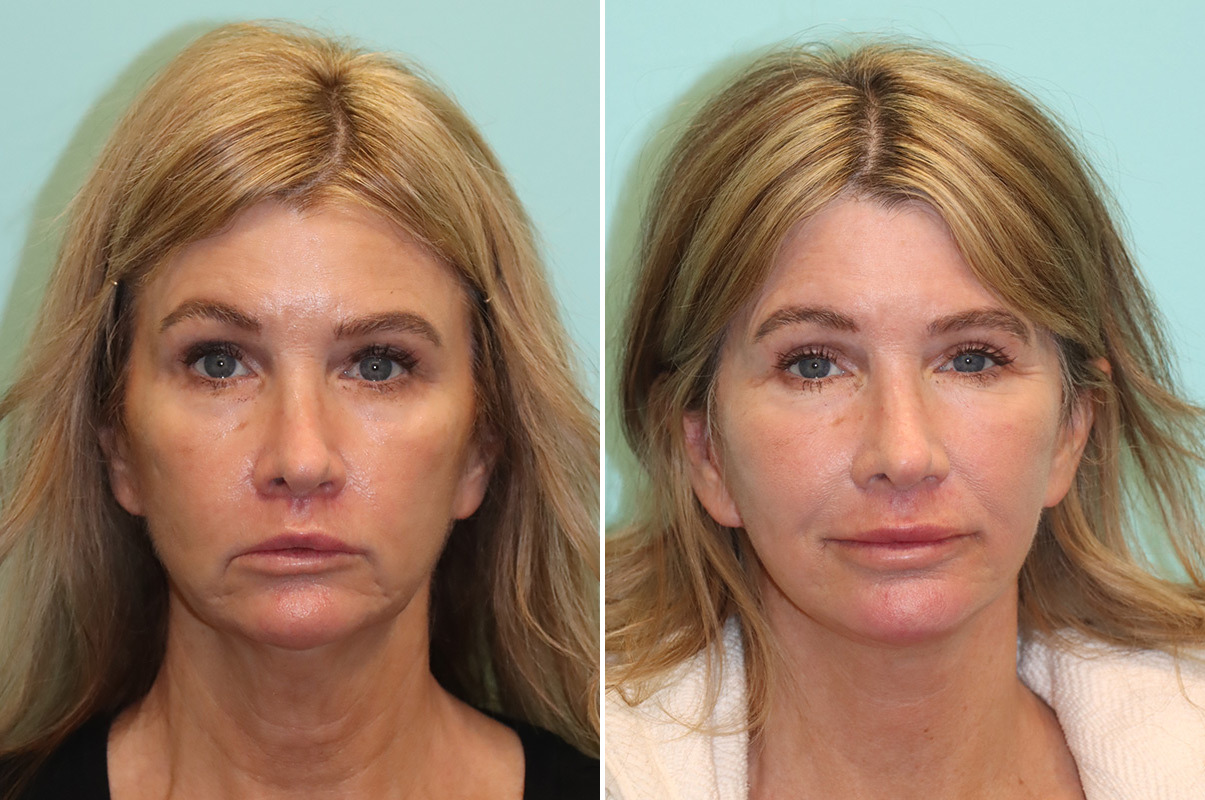
* Each patient is unique and individual results may vary.
Factors That Affect Your Facelift Recovery Time
While the facelift recovery timeline follows a general pattern, no two patients heal in exactly the same way. Some individuals move through recovery quickly, while others may experience a longer facelift recovery influenced by personal habits, surgical details, and individual biology. Understanding the factors that can impact healing helps set realistic expectations and allows you to actively support your recovery at every stage.
How Much Do You Rest
Rest plays a critical role in achieving a successful recovery after facelift surgery. Giving your body enough time to heal helps reduce swelling, supports incision healing, and allows tissues to settle properly. Patients who prioritize rest in the early weeks often experience smoother healing and more predictable outcomes. Elevating the head, limiting physical exertion, and getting adequate sleep all contribute to better results. Skipping rest or returning to activities too quickly can slow healing and impact overall outcomes, making rest one of the most important recovery factors.
Your Lifestyle Choices
Daily habits can significantly influence how smoothly you heal after facelift surgery. Factors such as nutrition, hydration, and overall wellness support tissue repair and reduce inflammation. Smoking or alcohol can slow circulation and interfere with healing, potentially prolonging recovery. Consistent skincare also plays an important role, helping protect sensitive skin as it heals. These choices do not just affect comfort during recovery; they also affect your facelift results by influencing how well tissues settle and how long results last.
Your Surgeon’s Expertise
The experience and training of your surgeon play a major role in how smoothly your recovery unfolds. A skilled facial plastic surgeon understands how to minimize tissue trauma, place incisions precisely, and tailor techniques to each patient. This level of expertise can reduce swelling, lower the risk of complications, and support more efficient healing. Surgeons who specialize in facial procedures are also better equipped to guide patients through recovery, helping manage concerns and optimize results at every stage.
The Type of Facelift
The specific technique used can shape both the pace and feel of recovery. For example, deep plane facelift recovery is different from mini facelift and full facelift approaches because each involves varying depths of tissue adjustment. More extensive techniques are considered major surgery and may require additional downtime, while less invasive options can heal faster. Choosing the right approach helps avoid slow healing and ensures recovery aligns with your goals, anatomy, and lifestyle, setting realistic expectations from the start.
Individual Factors (Genetics)
Individual biology plays a meaningful role in how quickly and smoothly facelift recovery progresses. Genetics can influence skin elasticity, collagen production, and how your body responds to surgical trauma. Some patients naturally heal faster with minimal swelling, while others may experience prolonged bruising or tightness despite following instructions closely. These differences are normal and do not reflect the quality of surgery. Understanding that genetics are outside your control helps set realistic expectations and reinforces the importance of personalized recovery guidance from your surgeon.
Combining Procedures
When a facelift is performed alongside other procedures, recovery timelines can change. It is common to combine a facelift with other procedures such as blepharoplasty (eyelid surgery) or a neck lift to achieve more comprehensive rejuvenation. While combining treatments can enhance overall results, it may also extend swelling or downtime slightly. Your surgeon will help plan recovery carefully, ensuring that healing remains safe and manageable while delivering balanced, natural-looking improvements across the face.
Real Facelift Patient Results
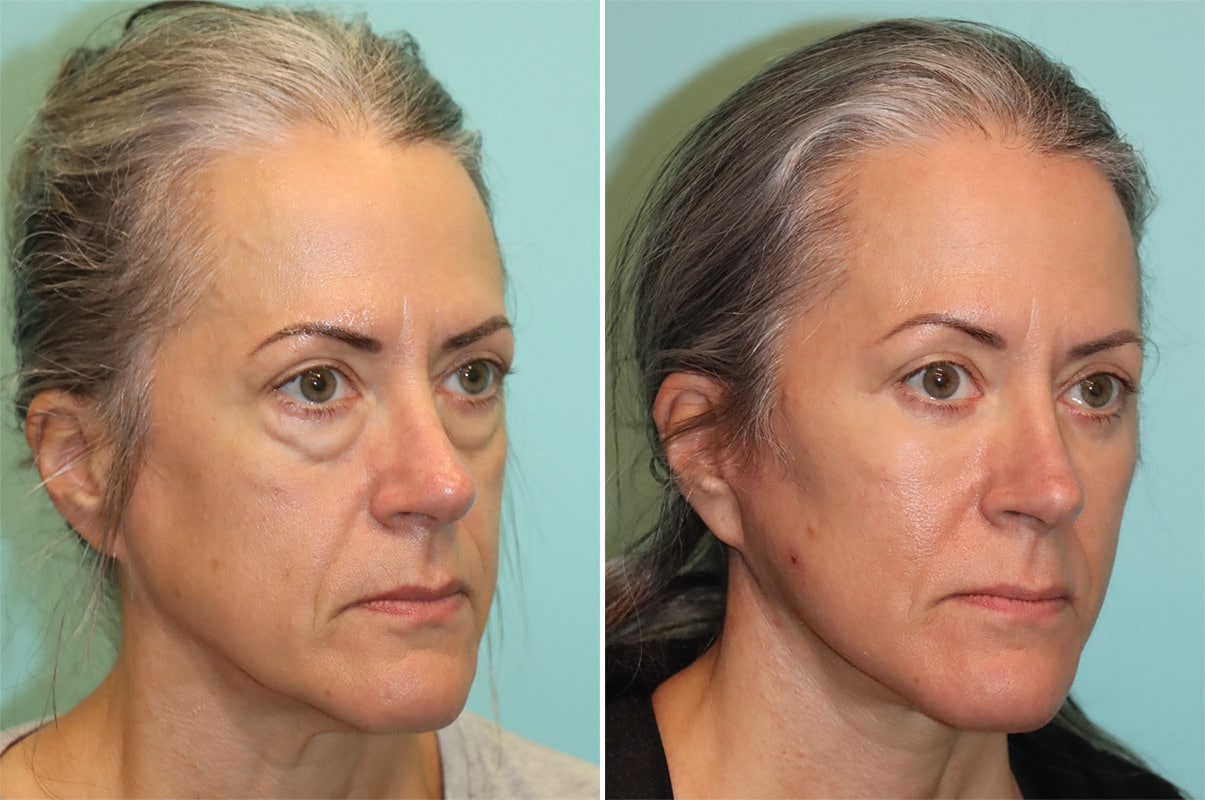
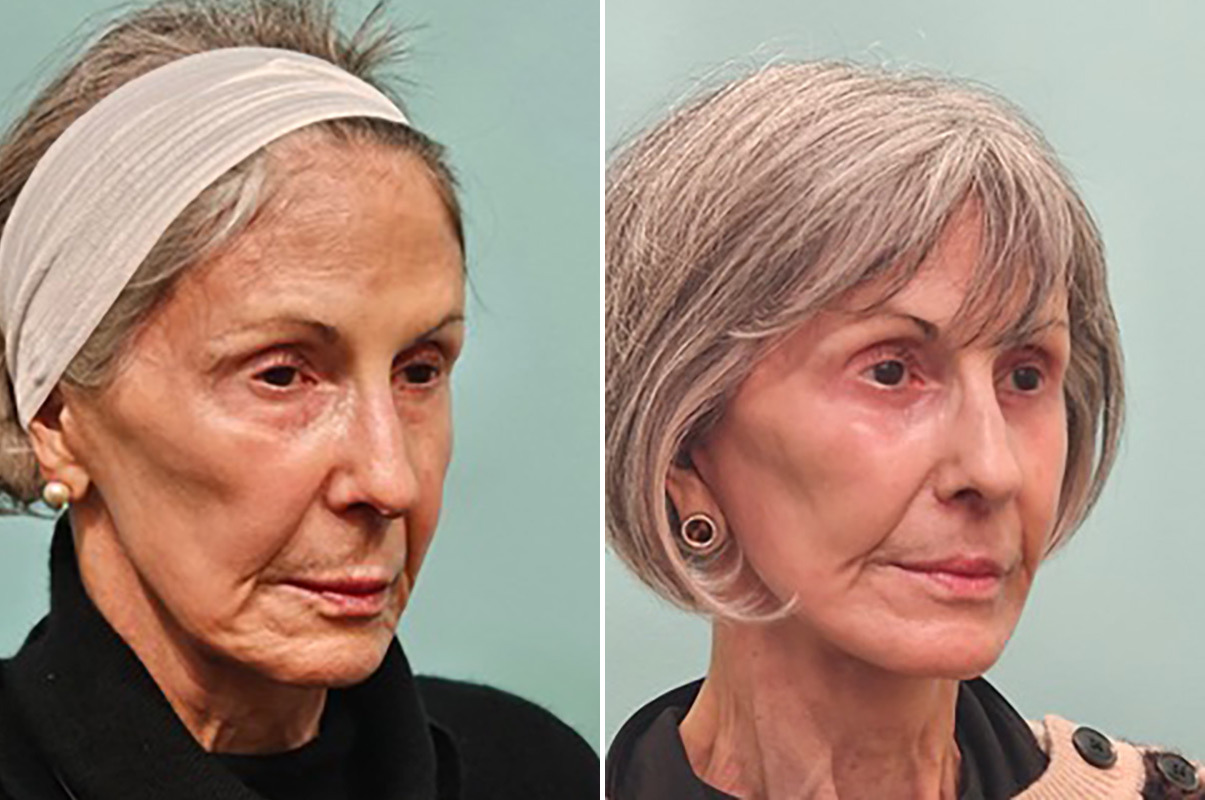
* Each patient is unique and individual results may vary.
Consult with a Facial Plastic Surgery Expert Today
Choosing Deep Plane Facelift Specialist Dr. Shervin Naderi is one of the most important decisions you can make when considering a facelift. Recovery, safety, and results are closely tied to the skill of your facial plastic surgeon and their understanding of how delicate facial structures heal after surgery. An experienced surgeon who is an expert in face and neck anatomy can anticipate challenges, minimize complications, and guide you through a smoother recovery process.
At The Naderi Center, facelift surgery is performed by our specialist, whose practice is devoted to cosmetic and reconstructive surgery of the face. With extensive experience in facial rejuvenation procedures, our specialist combines technical precision with an artistic eye to achieve natural-looking results. If you are considering a facelift and want expert guidance you can trust, call us or visit our contact page to schedule your personalized consultation today.