One of the most common questions patients ask during a facial rejuvenation consultation is:
“Can I achieve facelift results without surgery?”
The answer depends on what is causing the visible signs of aging.
Over the last decade, the field of aesthetic medicine has expanded dramatically. Patients now have access to advanced injectables, energy-based devices, lasers, and skin treatments that can improve many aspects of facial aging. These treatments can be incredibly valuable, but they work best when used for the right concerns.
The challenge is that many patients spend years trying to correct structural aging with treatments that are designed only for surface-level changes.

Eventually, they reach a point where they realize:
The problem is no longer just the skin.
The issue is that the underlying facial tissues have shifted.
According to Dr. Shervin Naderi, facial plastic surgeon specializing in facial rejuvenation and deep plane facelift surgery:
“Non-surgical treatments are wonderful tools, and I use them frequently to optimize facial rejuvenation. But fillers and lasers cannot lift descended facial structures. When the cheeks have fallen, jowls have formed, or the neck has loosened, the solution often requires addressing the deeper anatomy.”
Understanding when to continue with non-surgical treatments and when surgery becomes the more effective choice is one of the most important decisions a patient can make.
Key Takeaways
- Fillers can restore volume; however, they cannot lift tissues that have drooped with time.
- Lasers and other skin care steps can make the skin look smoother and more even. But they do not change the deeper structure of the face.
- Energy-based treatments are best suited for mild laxity and early signs of aging.
- A facelift may become the better option when jowls, neck laxity, and tissue descent become more noticeable.
- Dr. Naderi evaluates each patient’s anatomy and goals to determine whether surgical or non-surgical treatment is the most appropriate approach.
What Non-Surgical Facial Rejuvenation Can Do Very Well
Modern aesthetic medicine has created powerful options for improving facial appearance without surgery.
For many patients, these treatments can:
- Improve skin texture
- Restore subtle volume loss
- Soften wrinkles
- Improve pigmentation
- Stimulate collagen production
- Maintain a refreshed appearance
The key is understanding what each treatment actually changes.
Dermal Fillers: Restoring Volume, Not Lifting the Face
Injectable fillers are among the most popular facial rejuvenation treatments because they can create immediate improvement with little downtime.
Fillers can be excellent for:
- Hollow temples
- Flattened cheeks
- Under-eye volume loss
- Lip enhancement
- Chin balance
- Certain facial contours
However, fillers have limitations.
A filler adds volume. It does not physically reposition sagging facial tissues.
This distinction is important because facial aging is not always caused by volume loss alone.
For example, a patient with early cheek flattening may benefit from strategic volume restoration. But a patient with significant jowling may not improve simply by adding more filler to the cheeks.
In some cases, repeatedly adding filler to compensate for descended tissues can actually create heaviness rather than rejuvenation.
Dr. Naderi explains:
“The goal is not to add volume everywhere. The goal is to restore balance. Sometimes the best treatment is adding volume. Sometimes the best treatment is lifting the tissues. Knowing the difference is the art of facial rejuvenation.”
When Fillers Are No Longer the Right Solution
Many facelift patients have a history of years of injectable treatments.
They often say:
- “My filler doesn’t seem to last anymore.”
- “My lower face looks heavier.”
- “I feel like I need more and more product.”
- “I look different, but not necessarily younger.”
This can happen because fillers cannot correct progressive tissue descent.
Common signs that surgery may provide a better solution include:
1. Developing Jowls
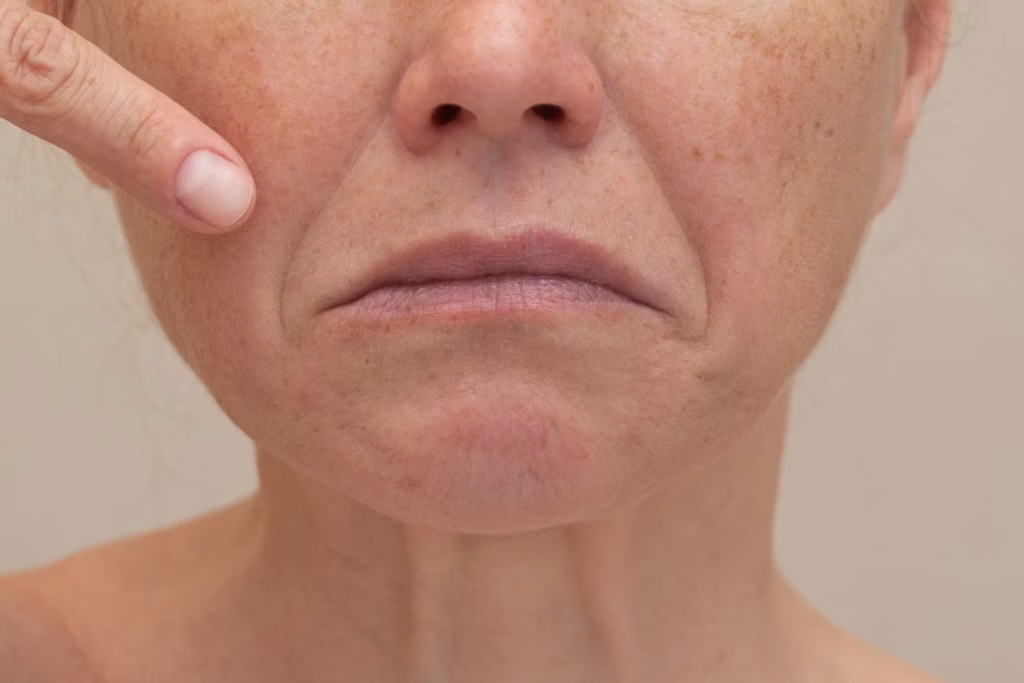
Jowls occur when deeper facial tissues descend along the jawline.
Fillers may camouflage mild changes, but significant jowling typically requires repositioning the underlying tissues.
2. Loss of Neck Definition
A youthful neck has a smooth transition between the jawline and the neck.
Loose skin, muscle changes, and fat accumulation under the chin often require a surgical approach.
3. A Heavier Lower Face
Some patients notice that their face looks fuller despite maintaining the same weight.
This is often due to downward movement of facial tissues rather than excess volume.
Adding more filler may worsen this appearance.
4. Shortening Duration of Injectable Results
Some patients find they need increasingly frequent treatments to maintain improvement.
At a certain point, a facelift may provide a more predictable and long-lasting correction.
Lasers and Skin Treatments: Powerful Tools, Different Purpose
Laser treatments have transformed facial rejuvenation.
Advanced resurfacing technologies can improve:
- Fine lines
- Sun damage
- Acne scars
- Uneven texture
- Skin laxity
- Collagen quality
Treatments such as fractional CO2 lasers, erbium lasers, and newer resurfacing technologies can significantly improve the quality and appearance of the skin.
However, skin resurfacing and facelift surgery solve different problems.
A laser improves the surface of the skin.
A facelift improves the position of facial tissues.
Many patients benefit from combining the two.
A patient may undergo a deep plane facelift to restore facial structure and a laser treatment to improve skin quality, creating a more comprehensive rejuvenation.

Is It Time to Consider a Facelift?
Schedule a consultation with Dr. Naderi to understand whether surgery matches your anatomy and goals.
Energy-Based Skin Tightening: Who Benefits?
Radiofrequency, ultrasound, and other energy-based treatments have become popular because they offer minimal downtime.
These treatments may be appropriate for patients with:
- Mild skin laxity
- Early aging changes
- Good skin elasticity
- Desire for subtle improvement
However, they cannot duplicate the effect of a surgical facelift.
A device cannot reproduce the repositioning of facial ligaments, muscles, and deeper tissues.
Patients with significant sagging often become disappointed when they expect a non-surgical treatment to create a surgical-level result.
The “Right Time” for a Facelift Is Different for Everyone
There is no universal age when someone should have a facelift.
Some patients in their late 40s may be excellent candidates because they have early but significant structural changes. Others in their 60s may not need surgery because their aging changes remain mild.
The right time is usually when:
- Facial laxity bothers you consistently
- Makeup no longer hides the changes you notice
- Photos make you look older than you feel
- Non-surgical treatments are no longer providing the improvement you want
- You desire a longer-lasting correction
A facelift should not be viewed as a last resort. It should be viewed as the appropriate tool when the underlying problem requires it.
Facelift Before & After
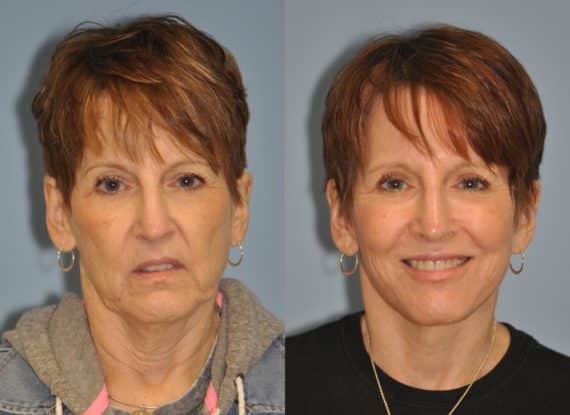
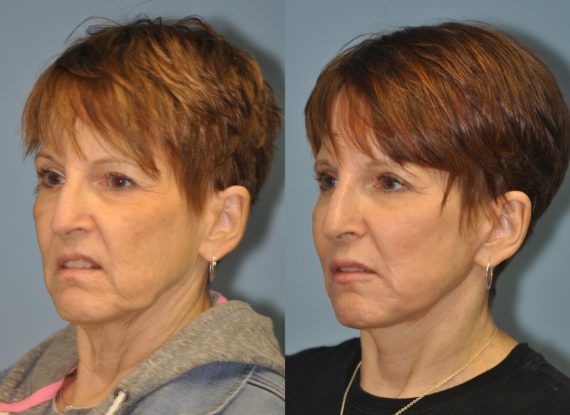
*Results vary from patient to patient
The Concept of “Prejuvenation” vs. Rejuvenation
Younger patients today are increasingly interested in preserving their appearance before advanced aging occurs.
This concept is often called prejuvenation.
Prejuvenation may include:
- Skincare
- Sunscreen
- Neuromodulators
- Conservative fillers
- Laser treatments
- Healthy lifestyle choices
These approaches can delay visible aging.
However, once structural changes develop, the strategy changes from prevention to restoration.
Rejuvenation addresses changes that have already occurred.
How a Facial Plastic Surgeon Determines the Best Approach
A thoughtful facial rejuvenation consultation should not begin with:
“Do you want a facelift?”
It should begin with:
“What changes are you noticing, and what is causing them?”
An experienced facial plastic surgeon evaluates:
- Skin quality
- Facial volume
- Cheek position
- Jawline definition
- Neck anatomy
- Facial proportions
- Patient goals
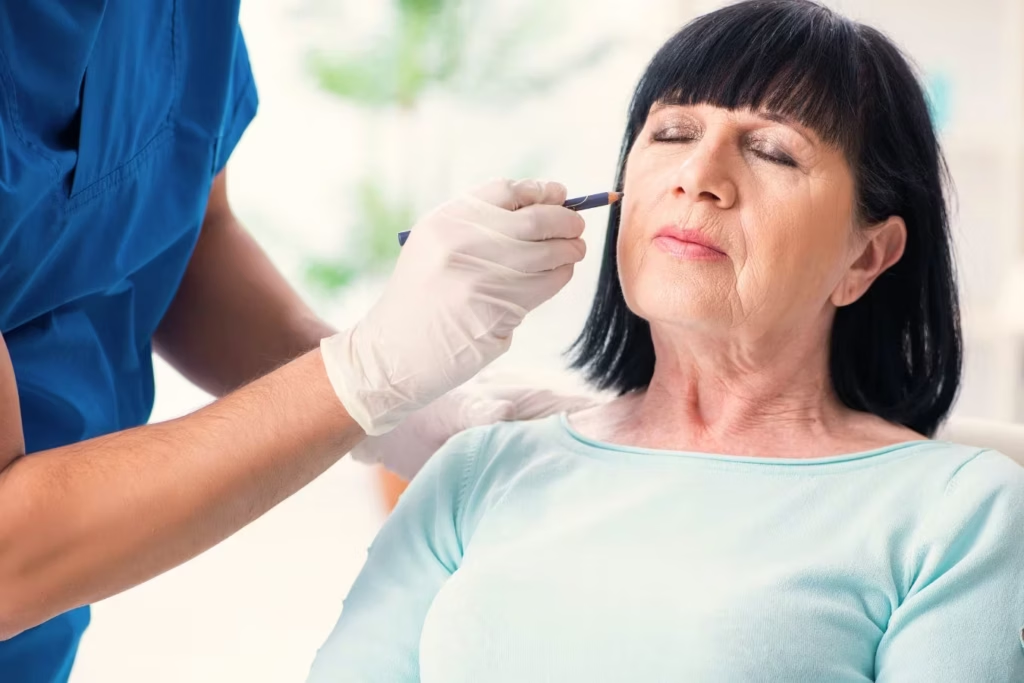
The treatment plan may include:
- Continued non-surgical maintenance
- Fillers
- Laser resurfacing
- Eyelid surgery
- Fat grafting
- Neck lift
- Deep plane facelift
- A combination approach
The goal is always customization.
The Bottom Line: Know What Problem You Are Solving
Many people pick a procedure too early, before they know what is really behind their problem.
Wrinkles, pigmentation, and skin texture problems require different solutions than sagging cheeks, jowls, and neck laxity.
Non-surgical options still matter in facial rejuvenation. But they do not work the same way as a facelift. If the skin and tissues have descended due to structure, surgery is often the right choice.
As Dr. Naderi explains:
“The best facial rejuvenation plan is not about choosing surgery or choosing non-surgical treatments. It is about choosing the right tool for the right problem at the right time.”
For patients considering facial rejuvenation throughout Reston, McLean, Great Falls, Vienna, Arlington, Alexandria, Bethesda, Chevy Chase, Potomac, Rockville, and the greater Washington, DC metropolitan area, understanding this distinction is the first step toward achieving natural, balanced results.
If you’re ready to explore which facial rejuvenation approach is right for you, schedule a consultation with Dr. Shervin Naderi to receive a personalized treatment plan customized to your anatomy, goals, and stage of aging.
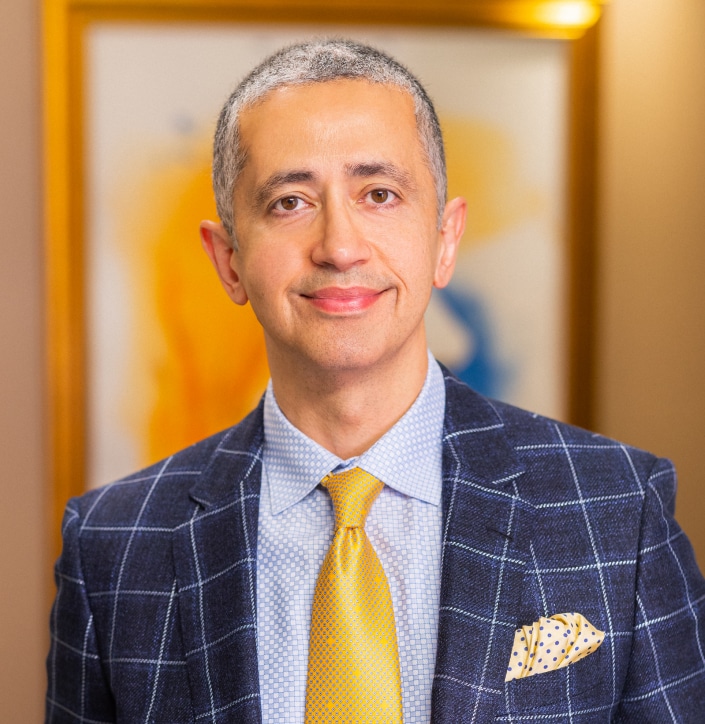
About Dr. Shervin Naderi
Dr. Shervin Naderi, MD, FACS, is a double board-certified facial plastic and reconstructive surgeon and founder of The Naderi Center. With more than 25 years of experience focused on facial plastic surgery, he specializes in surgical and non-surgical facial rejuvenation, including deep plane facelift and neck lift procedures, with an emphasis on natural, balanced results.