Short answer: Facelift surgery is generally safe, but potential risks include bleeding, infection, nerve injury, and delayed healing. Choosing an experienced facial plastic surgeon and following postoperative instructions can help minimize complications.
Every surgical procedure carries some degree of risk, including facelift surgery. While today’s advanced facelift techniques have an excellent safety profile when performed by an experienced surgeon, understanding the potential risks and the steps taken to minimize them is an important part of making an informed decision.
One characteristic of top-tier facial plastic surgeons is being able to create aesthetically beautiful results while at the same time maintaining the highest standard of safety. As well as the ability to listen and understand what patients really want and what is achievable for their unique situation, anatomy and medical history, thus creating an entirely individualized surgical plan.

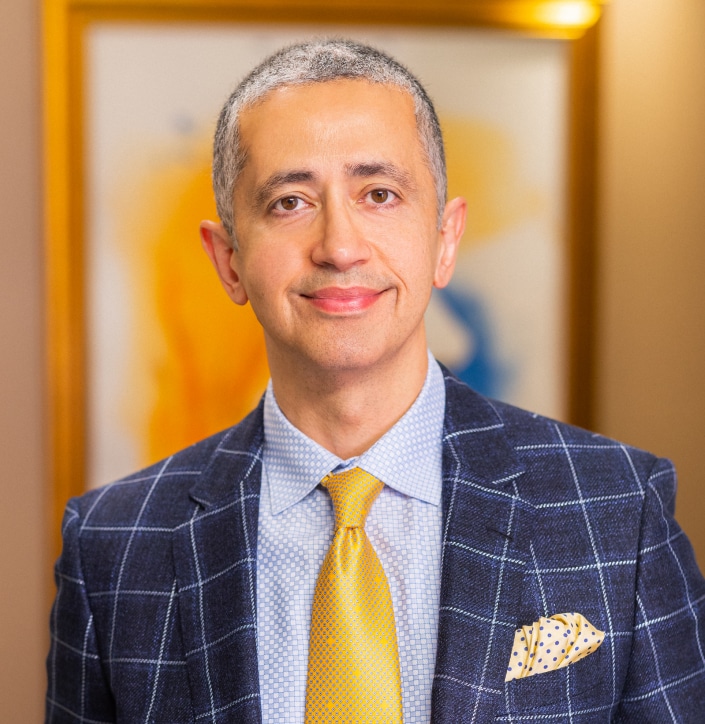
Dr. Shervin Naderi, who has dedicated over 20 years of surgical practice entirely to facial cosmetic surgery, believes patient safety starts long before surgery day:
“The safest facelift is one that is carefully planned. Every patient has different anatomy, different medical considerations, and different goals. Taking the time to evaluate those factors before surgery is one of the most important parts of achieving an excellent outcome.”
With his meticulous surgical technique and individualized treatment planning, along with his natural-looking facial rejuvenation techniques, Dr. Naderi has developed an elite practice that serves as the region’s premier destination for facial plastic surgery. His patient population encompasses Reston, McLean, Great Falls, Arlington, Alexandria, Bethesda, Chevy Chase, Potomac, and Washington DC. The practice draws patients from throughout the country due to Dr. Naderi’s highly focused concentration on the specialty of facial plastic surgery.
Dr. Naderi was recognized by Washingtonian as a top doctor in plastic surgery and by Newsweek as one of the best in the nation for facelift surgery and rhinoplasty.
Fortunately, serious complications after facelift surgery are uncommon, especially when patients are carefully selected and surgery is performed by a qualified facial plastic surgeon in an accredited surgical facility.
Key Takeaways
- Choosing a facelift surgeon matters as much as the procedure itself.
- You should look for board certification, a solid history in facial surgery and photos that show results that look natural.
- During your visit, ask specific things about how the work is done, how safety is handled, what recovery is like, and what happens if a problem occurs.
- Dr. Shervin Naderi creates a plan made for your own needs. The goal is to help your face keep its natural identity.
- A good consultation helps you see if the surgeon fits what you want. You can compare their experience, their philosophy, and the plan they recommend.
Understanding the Difference Between Side Effects and Complications
One of the most common misconceptions is confusing normal healing with a complication.
Many changes that occur after surgery are expected and temporary.
These include:
- Swelling
- Bruising
- Temporary tightness
- Mild numbness
- Temporary firmness beneath the skin
- Mild asymmetry during healing
These are normal parts of recovery and generally improve as healing progresses.
A true complication is an unexpected medical issue that requires additional treatment or closer monitoring.
Understanding this distinction helps reduce unnecessary anxiety during recovery.
Potential Risks of Facelift Surgery
Although uncommon, patients should understand the possible complications associated with facelift surgery.
Hematoma (Bleeding Beneath the Skin)
A hematoma is a collection of blood beneath the skin that can occur shortly after surgery.
It is one of the more common early complications following facelift surgery, but it remains relatively uncommon overall.
Symptoms may include:
- Rapid swelling on one side of the face
- Increasing pressure
- Significant discomfort
- Firmness beneath the skin
When recognized promptly, a hematoma can typically be treated effectively.
To reduce this risk, surgeons carefully control bleeding during surgery and provide detailed postoperative instructions regarding activity restrictions and blood pressure management.
Infection
Facelift surgery has a relatively low rate of infection because the face has an excellent blood supply.
Nevertheless, infection remains a possibility after any surgical procedure.
Patients are instructed to monitor for:
- Increasing redness
- Warmth around the incision
- Drainage
- Fever
- Increasing pain rather than gradual improvement
Following wound care instructions carefully is one of the best ways to reduce this risk.
Temporary Numbness
Changes in skin sensation are extremely common after facelift surgery.
Patients may notice areas of:
- Numbness
- Tingling
- Increased sensitivity
- Itching during healing
These changes usually improve gradually over several weeks or months as nerves recover.
Facial Nerve Injury
One of the questions patients ask most frequently is:
“Could a facelift affect my facial movement?”
The facial nerve controls facial expression and travels through the deeper layers of the face.
Temporary weakness involving small branches of the facial nerve is uncommon but can occur even with meticulous surgery because tissues are manipulated during the procedure.
Permanent facial nerve injury is rare in experienced hands.
Because deep plane facelift surgery involves operating in areas where detailed anatomical knowledge is essential, choosing a surgeon with extensive facial plastic surgery experience is particularly important.
Dr. Naderi explains:
“Understanding facial anatomy is fundamental to every facelift. Precision, careful tissue handling, and respect for the facial nerve are critical components of safe surgery.”
Scarring
Every facelift requires incisions.
Fortunately, facelift incisions are carefully designed to follow natural contours around the ears and hairline whenever possible.
During the healing process:
- Scars initially appear pink.
- They gradually soften and fade.
- Most become difficult to notice once fully matured.
Scar quality is influenced by:
- Surgical technique
- Genetics
- Skin type
- Sun protection
- Following postoperative instructions
Most patients find that the trade-off between discreet scars and a more youthful facial appearance is well worthwhile.
Delayed Wound Healing
Some patients heal more slowly than others.
Factors that increase the likelihood of delayed healing include:
- Smoking or nicotine use
- Diabetes
- Poor nutrition
- Certain medications
- Significant sun damage
One reason Dr. Naderi places such emphasis on careful patient preparation is that optimizing health before surgery can significantly improve healing.
How Dr. Naderi Works to Minimize Risk
No surgeon can promise a complication-free procedure. However, experienced facial plastic surgeons take numerous steps to reduce risk before, during, and after surgery.
Comprehensive Consultation
Every successful facelift begins with careful evaluation.
During consultation, Dr. Naderi assesses:
- Medical history
- Previous facial procedures
- Skin quality
- Facial anatomy
- Healing factors
- Lifestyle habits
- Surgical goals
This allows him to develop a treatment plan tailored to each patient rather than recommending the same operation for everyone.
Careful Patient Selection
One of the most important aspects of patient safety is knowing when not to operate.
Occasionally, patients are advised to:
- Improve certain medical conditions first
- Stop smoking before surgery
- Reach a stable weight
- Consider non-surgical options
- Delay surgery until the timing is more appropriate
Good judgment is one of the defining characteristics of an experienced surgeon.
Facelift Before & After
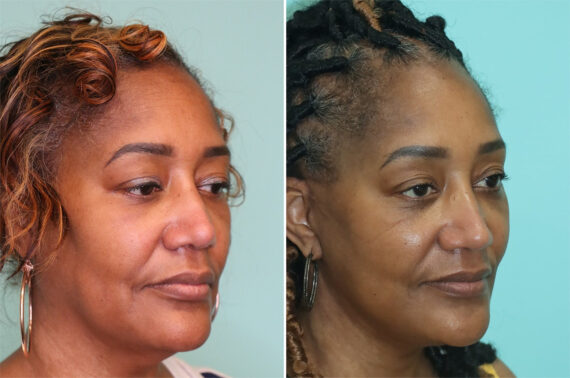
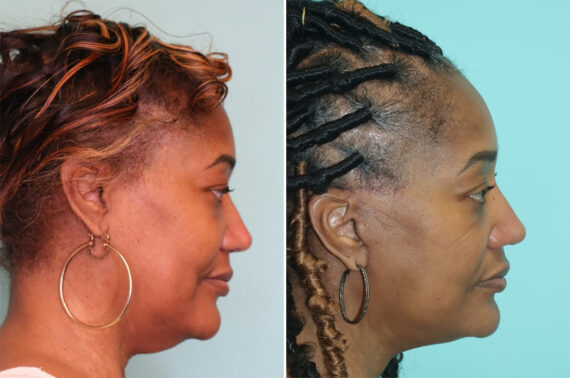
*Results vary from patient to patient
Meticulous Surgical Technique
Facelift surgery is performed millimeter by millimeter. Some of the actions that contribute to a smoother recovery and beautiful long-term results include:
- Protecting delicate structures
- Minimizing unnecessary tissue trauma
- Preserving natural blood supply
Dr. Naderi’s practice has focused exclusively on facial plastic surgery for more than two decades, allowing him to refine techniques that prioritize both safety and natural-looking outcomes.
Detailed Recovery Instructions
Recovery does not end when surgery is completed.
Patients receive detailed guidance regarding:
- Sleeping position
- Activity restrictions
- Nutrition
- Wound care
- Medications
- Follow-up appointments
- Warning signs that require immediate attention
Clear communication helps patients recover with confidence.

Experience a Personalized Approach to Facial Rejuvenation
Discover how careful planning and specialized surgical expertise guide your facelift journey.
What Patients Can Do to Reduce Their Own Risk
Successful surgery is a partnership between surgeon and patient.
Patients can improve healing by:
- Following all preoperative instructions carefully
- Stopping nicotine use well before surgery if advised
- Maintaining good nutrition and hydration
- Avoiding medications or supplements that increase bleeding unless approved by their physician
- Keeping follow-up appointments
- Reporting unexpected symptoms promptly
- Avoiding strenuous exercise until cleared by their surgeon
These seemingly simple steps can have a meaningful impact on recovery.
The Safest Facelift Is Never the Cheapest Facelift
Because facelift surgery is highly specialized, patients should be cautious about making decisions based primarily on price.
Anesthesia, follow-up care, and a safety program should be the most important criteria, in addition to surgical facilities that are fully accredited.
It can be beneficial to find a facial plastic surgeon who focuses their practice exclusively on this field, as it brings a level of mastery that goes far beyond simply the execution of the operation.
Confidence Comes From Understanding
Reading about surgical risks can feel intimidating, but knowledge empowers patients to make informed decisions.
Fortunately, the overwhelming majority of facelift patients heal uneventfully and are pleased with their results.
The keys to success are:
- Choosing a highly qualified facial plastic surgeon
- Following pre- and postoperative instructions
- Maintaining realistic expectations
- Allowing your body adequate time to heal
As Dr. Naderi reminds his patients:
“Our goal is always the same: perform surgery safely, protect the natural character of the face, and achieve results that look elegant not just a few weeks after surgery, but for many years to come.”
Patients planning on having facelift surgery within Reston, McLean, Great Falls, Arlington, Alexandria, Bethesda, Chevy Chase, Potomac, Rockville, Washington, DC, and surrounding areas should have an understanding of both the potential benefits and the possible risks of the procedure to ensure they are fully informed about their decision.
If you’re considering facelift surgery and want to better understand your options, potential risks, and expected results, schedule a personalized consultation with Dr. Naderi to take the next step toward a safer, more confident, and naturally rejuvenated appearance.
About Dr. Shervin Naderi
Shervin Naderi, MD, FACS, is the founder of The Naderi Center for Plastic Surgery and Dermatology. He completed advanced fellowship training in Facial Plastic and Reconstructive Surgery and has contributed to the field through medical education, textbook publications, and service as an oral board examiner for the American Board of Facial Plastic and Reconstructive Surgery. His background reflects a deep understanding of facial anatomy and a commitment to the highest standards of surgical care.