One of the most important questions patients ask during a facelift consultation is: “Am I the right age for a facelift?”
While age is often the first thing people consider, experienced facial plastic surgeons know that age alone does not determine whether someone is a good candidate. Two people who are both 55 years old may have completely different patterns of facial aging. One may still have good skin elasticity and minimal sagging, while the other may have significant jowling, cheek descent, and neck laxity that would benefit from surgical rejuvenation.
The best facelift candidates are not defined by a number on a birth certificate. They are defined by their anatomy, goals, health, and expectations.
According to Dr. Shervin Naderi, a facial plastic surgeon specializing in facial rejuvenation and deep plane facelift surgery:
“A facelift is not about chasing a certain age. It is about recognizing when the changes caused by aging can no longer be effectively corrected with nonsurgical treatments alone. The right patient is someone who wants to restore what has changed—not become a different person.”
Key Takeaways
- Age by itself does not decide if a facelift is the right fit.
- People often look into surgery for jowling, loose skin along the neck, and a less defined jawline.
- A good candidate is usually in good overall health. The patient should know what to expect and be prepared for the recovery process.
- Dr. Naderi checks each patient’s facial structure, personal goals, and general health before suggesting any treatment.
- A consultation can show what option makes more sense. It may point to a facelift or to a non-surgical method.
Signs You May Be a Good Facelift Candidate
A facelift is designed to address structural changes caused by aging, particularly in the lower face, jawline, and neck. Patients who benefit most typically notice changes that are related to tissue descent rather than just surface skin concerns.
1. You Notice Jowling or Loss of Jawline Definition
One of the earliest and most common reasons patients begin researching facelift surgery is the development of jowls.
A youthful face often shifts smoothly from the cheek to the jaw. As the years pass, the deeper facial tissues descend. This can add fullness around the lower part of the face. The jawline can look less clear than before.
Patients often describe:
- “My face looks heavier than it used to.”
- “I feel like my cheeks have dropped.”
- “I have lost my jawline.”
- “My face looks tired even when I feel rested.”
When deeper tissues start to descend, changes are noticeable. That is why a method that just pulls the skin tight provides limited improvement.
A deep plane facelift addresses these deeper layers by repositioning descended facial structures rather than simply pulling the outer skin.
2. You Have Neck Laxity or a Double Chin That Does Not Respond to Weight Loss
The neck is one of the areas where aging can become particularly noticeable.
Patients may develop:
- Loose skin under the chin
- A less defined neck angle
- Vertical neck bands
- Excess fat beneath the chin
- A heavier appearance around the lower face
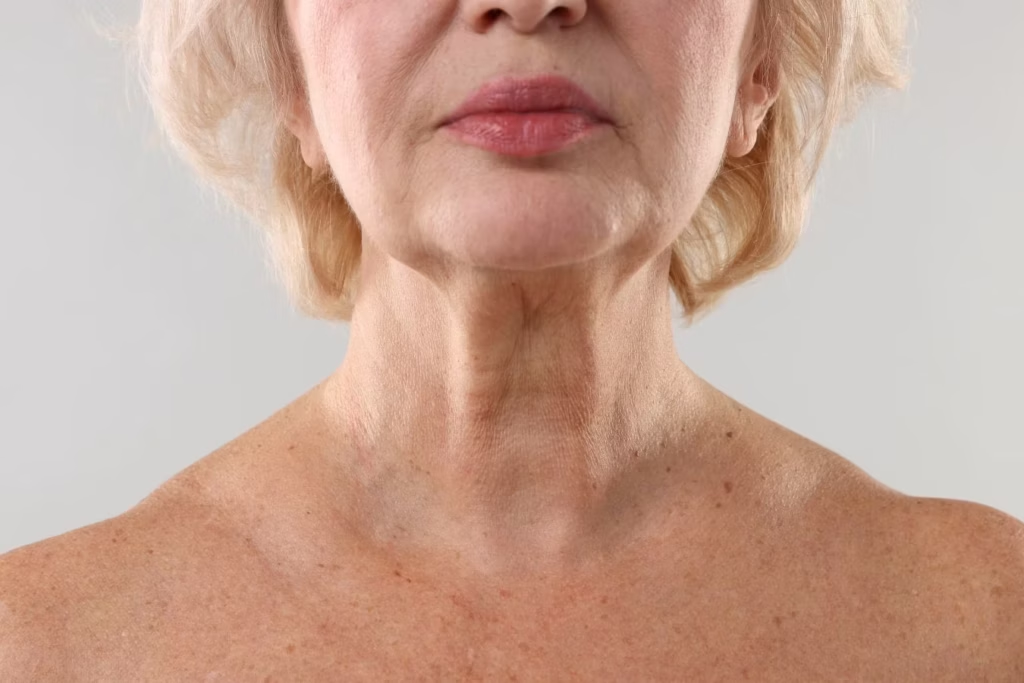
A facelift is frequently combined with a neck lift because the lower face and neck age as one continuous unit. Improving only one area may create an imbalance.
Dr. Naderi emphasizes:
“The face and neck should be evaluated together. A beautiful jawline cannot be separated from the neck, and a rejuvenated face should flow naturally into the surrounding structures.”
Our medical staff performs a detailed examination of the face for individuals who live in the Washington, DC metropolitan area, including Reston, McLean, Great Falls, Arlington, Alexandria, Bethesda, Chevy Chase and Potomac. It is more beneficial for those patients when the doctor evaluates all facial structures together rather than selecting a medical treatment that targets only a single region of the face.
3. You Feel Your Appearance No Longer Matches How You Feel Inside
Some people who get a facelift do not ask for a big change. They often describe feeling younger, healthier, and more energetic than their reflection suggests.
Common concerns include:
- Looking tired despite adequate sleep
- Appearing older than colleagues or friends
- Feeling that photographs do not represent how they see themselves
- Avoiding certain hairstyles or clothing because of facial aging concerns
A good facelift candidate is usually motivated by personal reasons, not pressure from others.
The healthiest mindset is:
“I want to look refreshed and like myself again.”
Not:
“I want to look like someone else.”
4. You Have Realistic Expectations
Perhaps the most important qualification for facelift surgery is having realistic expectations.
A facelift can:
- Restore a more youthful facial contour
- Improve jowling
- Tighten and rejuvenate the neck
- Restore definition to the jawline
- Reduce the appearance of facial sagging
Facelift Before & After
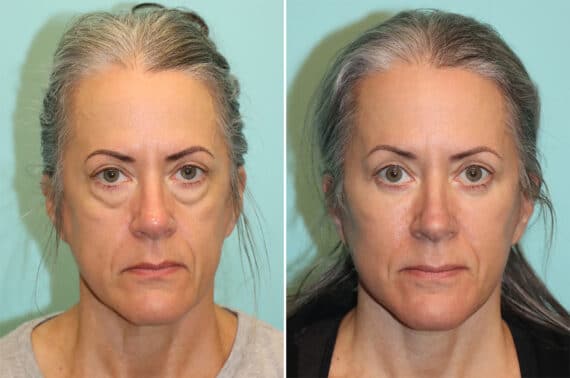
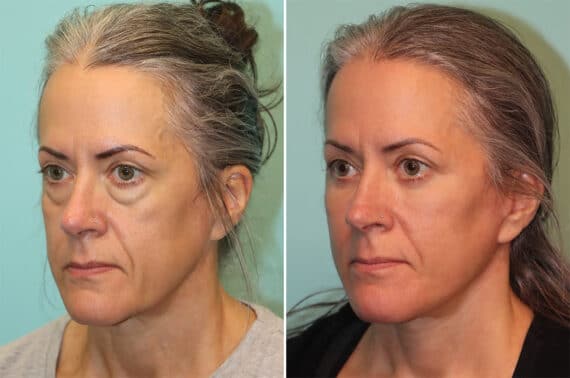
*Results vary from patient to patient
A facelift cannot:
- Stop the aging process
- Change your identity
- Remove every wrinkle
- Replace healthy skin habits
- Make someone look decades younger overnight
The best candidates understand that facelift surgery creates improvement, not perfection.
5. You Are Healthy Enough for Surgery
Facelift surgery is performed on many patients in their 40s, 50s, 60s, and beyond. However, overall health matters more than age.
A good candidate generally:
- Does not have uncontrolled medical conditions
- Does not smoke or is willing to stop smoking before and after surgery
- Maintains a stable weight Can follow postoperative instructions
- Understands the recovery process
Smoking is particularly important because nicotine restricts blood flow and can significantly interfere with healing after facial surgery.

Explore a Natural Approach to Facial Rejuvenation
Schedule a consultation with Dr. Shervin Naderi to discuss your concerns and personalized treatment options.
Who Should Wait Before Getting a Facelift?
Not everyone who notices facial aging needs a facelift immediately. In some cases, waiting or choosing another treatment first may be the better decision.
1. Patients Who Are Primarily Concerned With Skin Quality
Facelift surgery improves position and structure, but it does not dramatically resurface the skin.
Patients whose primary concerns include:
- Sun damage
- Fine lines
- Brown spots
- Rough texture
- Early wrinkles
may benefit more from treatments such as laser resurfacing, chemical peels, or medical-grade skincare before considering surgery.
Many patients eventually combine skin rejuvenation with facelift surgery for a more comprehensive result.
2. Patients Who Have Unrealistic Expectations
A facelift is not the right procedure for someone expecting:
- A completely different face
- The appearance of a much younger person
- Permanent results with no future aging
- A celebrity’s facial structure
During consultation, an experienced surgeon should evaluate whether the patient’s goals match what surgery can realistically achieve.
3. Patients Who Are Not Yet Bothered Enough by Aging Changes
Timing matters.
A facelift is not something someone should do simply because they reached a certain birthday or because friends are having surgery.
Some patients come in too early, before there is enough facial laxity to justify surgery. In those cases, nonsurgical treatments may provide appropriate improvement while allowing the patient to postpone surgery.
The goal is not to have surgery as early as possible. The goal is to have surgery at the right time.
4. Patients With Significant Weight Changes Planned
Significant weight changes after a facelift can affect facial volume, skin laxity, and the longevity of results.
Ideally, patients should be near a stable weight before undergoing facial rejuvenation surgery.
Significant weight changes after a facelift can affect:
- Facial volume
- Skin laxity
- The longevity of results
Ideally, patients should be near a stable weight before undergoing facial rejuvenation surgery.

5. Patients Who Are Not Prepared for Recovery
Even when facelift surgery is performed beautifully, recovery requires patience.
Patients should understand that:
- Swelling is normal
- Bruising occurs
- Facial sensation may temporarily change
- Results improve gradually over months
- Final refinement can continue for a year or longer
Someone who cannot accommodate downtime, follow restrictions, or allow the healing process to occur may want to postpone surgery.
The Best Facelift Candidates Share One Common Goal
The ideal facelift patient is not trying to erase every sign of aging. They are looking for a natural restoration of facial harmony.
They want to look:
- Refreshed
- Healthy
- More youthful
- Like themselves
Modern facelift surgery, especially deep plane techniques, focuses on restoring proportion and balance rather than creating an operated appearance.
As Dr. Naderi explains:
“The most successful facelift is the one where patients look better, but people cannot immediately identify what changed. The artistry is in creating rejuvenation that respects the individual face.”
Find Out If a Facelift Is Right for You
For patients throughout Northern Virginia and the Washington, DC metropolitan region, including Reston, McLean, Great Falls, Arlington, Alexandria, and Maryland communities such as Bethesda, Chevy Chase, and Potomac, the first step is not choosing a procedure; it is understanding whether your facial anatomy and goals make you an appropriate candidate.
A consultation with Dr. Shervin Naderi can help determine whether a facelift or another treatment is right for you.
Schedule your consultation today to discuss your goals and personalized options.
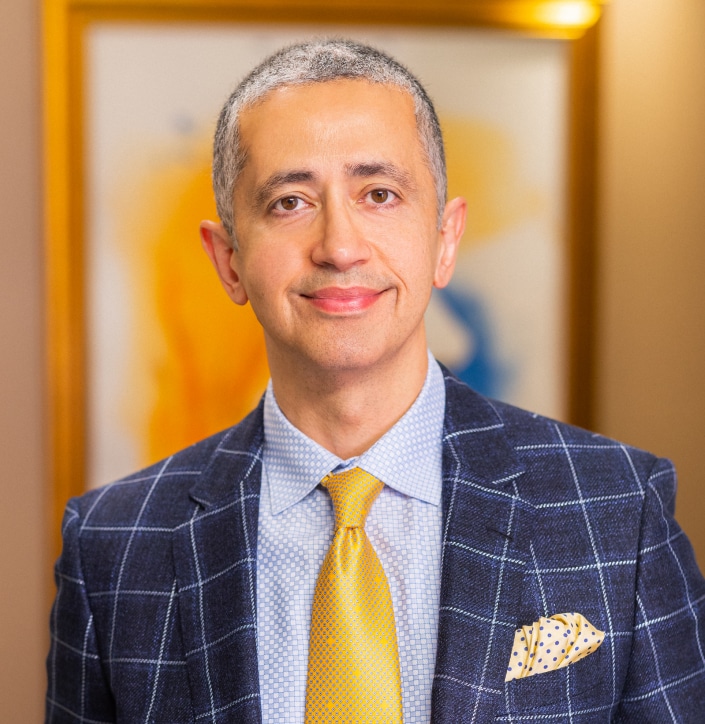
About Dr. Shervin Naderi
Dr. Shervin Naderi is the founder of The Naderi Center for Plastic Surgery and Dermatology, with locations in Reston, Virginia, and Chevy Chase, Maryland. His approach emphasizes careful facial evaluation, patient education, realistic expectations, and recommending surgery only when it is appropriate for the individual patient.