Botox in Reston, Virginia and Chevy Chase, Maryland.
Smooth fine lines and wrinkles while preserving natural facial expression with expertly performed Botox® treatments at The Naderi Center. Our physician injectors customize every treatment based on your unique facial anatomy, muscle movement, and aesthetic goals. Botox® treatments are available at our offices in Reston, Virginia, serving Northern Virginia, and Chevy Chase, Maryland, serving the greater Washington, DC area.

Over 100,000 Botox® & Filler Treatments
Physician-Only Care
4.9-Star Rating / 1,100+ Reviews
Refresh Your Face with Botox Benefits
Refresh your appearance with customized Botox® treatments performed exclusively by physicians at The Naderi Center. Precisely placed injections soften wrinkles and fine lines while maintaining a natural, expressive appearance—with minimal to no downtime.
Your injector is always a physician: Dr. Shervin Naderi, a double board-certified facial plastic surgeon selected as one of RealSelf’s Top 25 Most Loved Injectors in the United States and a Washingtonian Top Doctor, or Dr. Alexandra Snodgrass, a board-certified dermatologist.
Wrinkle Reduction
Soften frown lines, forehead wrinkles, and crow’s feet with Botox®. By relaxing the muscles that create dynamic wrinkles, Botox helps you look smoother, refreshed, and naturally expressive.
Quick and Easy
With minimal discomfort and little to no downtime, Botox® is a quick, convenient treatment that fits easily into even the busiest schedule.
Lasting Results
Enjoy smoother, more refreshed-looking skin for months. Botox® results typically last about 3–4 months, with regular treatments helping maintain a natural, consistent appearance.





Dr. Shervin Naderi, named to Newsweek America’s Best Plastic Surgeons
- 2023
- 2024
- 2025
- 2026









Why Choose The Naderi Center for Botox®️?
At The Naderi Center, every Botox®️ treatment is performed exclusively by an experienced physician with advanced expertise in facial anatomy, muscle movement, and facial aesthetics. With more than 100,000 Botox®️ and filler treatments performed, our physicians customize every injection to create natural-looking results while preserving facial expression.
Dr. Shervin Naderi previously served as a trainer for Allergan, the manufacturer of Botox®️, and as a trainer for Medicis for Dysport®️, educating other medical professionals in advanced injectable techniques. He has also created numerous educational videos on Botox®️, Dysport®️, and facial injectables that have been viewed by injectors around the world.
There is no one-size-fits-all Botox®️ treatment. Your physician evaluates your facial anatomy, muscle strength, symmetry, and aesthetic goals to determine the precise placement and dose needed for your individual face.
What is Botox®

Botox® is a non-surgical injectable treatment used to soften dynamic wrinkles caused by repeated facial expressions such as frowning, smiling, squinting, and raising the eyebrows. Common treatment areas include forehead lines, frown lines between the eyebrows (the “11s”), and crow’s feet around the eyes.
Botox® contains a purified form of botulinum toxin type A that temporarily reduces communication between targeted nerves and muscles. By relaxing specific facial muscles, Botox® allows the overlying skin to appear smoother while preserving natural facial expression when precisely dosed and placed.
Botox® can also be used preventatively in younger patients who are beginning to develop expression lines. Reducing repetitive muscle movement may help prevent dynamic lines from becoming deeper wrinkles that remain visible even when the face is at rest. For existing static wrinkles, Botox® may soften their appearance, although additional treatments such as laser resurfacing or other skin rejuvenation procedures may sometimes provide further improvement.
What Can Botox Treat?
Botox® can be precisely injected into specific facial and neck muscles to soften dynamic wrinkles, improve facial balance, and address several aesthetic concerns. Common Botox® treatment areas include:
- Forehead lines – soften horizontal wrinkles across the forehead
- Frown lines and “11 lines” – reduce vertical lines between the eyebrows
- Crow’s feet – smooth fine lines around the outer corners of the eyes
- Botox® brow lift – subtly elevate the outer brows for a more refreshed appearance
- Bunny lines – soften wrinkles along the sides of the nose
- Lip lines – reduce fine lines around the mouth
- Gummy smile – decrease excessive gum show when smiling
- Botox® lip flip – gently relax the upper lip to create subtle outward rotation
- Chin dimpling – smooth a pebbled or “orange peel” appearance of the chin
- Downturned corners of the mouth – soften the downward pull around the mouth
- Masseter Botox ® – reduce prominent jaw muscles for a slimmer, more tapered jawline
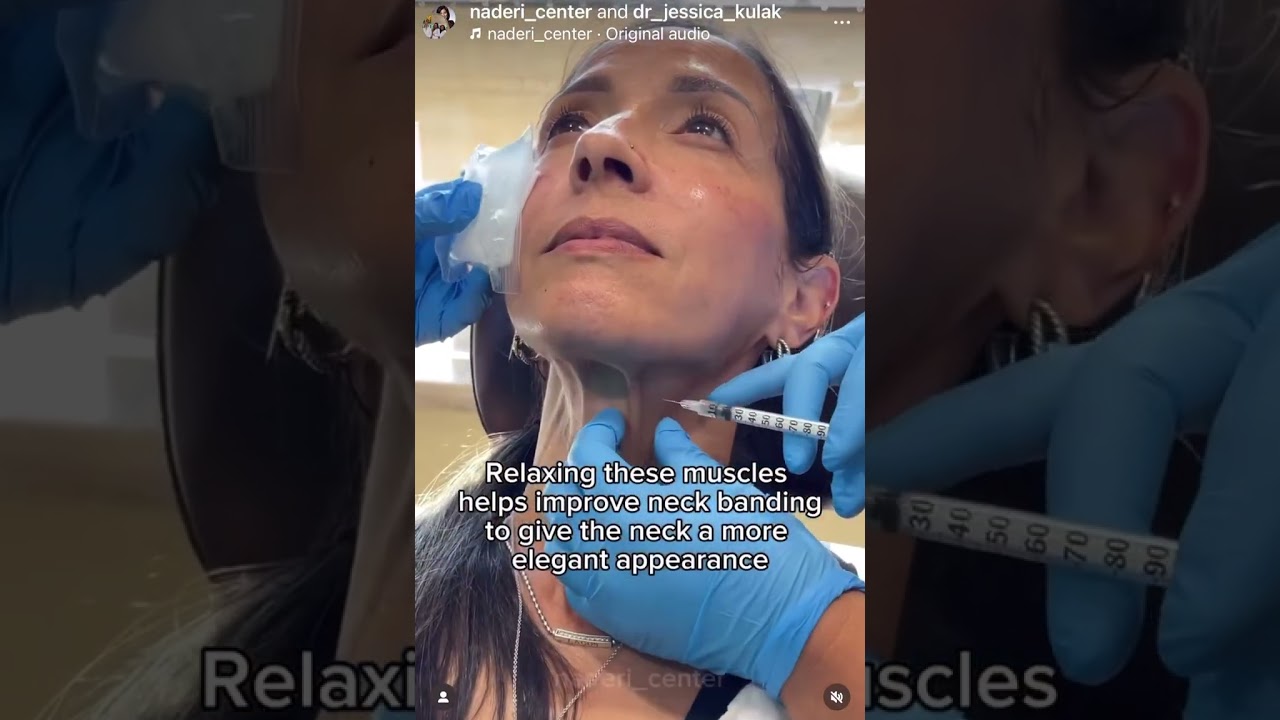
- Neck bands – soften visible vertical platysmal bands in the neck
Results typically begin to appear within 3–5 days, with full results developing over approximately two weeks and generally lasting about 3–4 months.
Who Is a Good Candidate for Botox?
- Have forehead lines, frown lines, crow’s feet, or other dynamic wrinkles caused by facial movement
- Want to look refreshed and natural rather than frozen or overtreated
- Are beginning to notice expression lines and are interested in preventative Botox®
- Want subtle improvements such as a brow lift, lip flip, gummy-smile correction, or jawline refinement
- Prefer a quick, non-surgical treatment with little to no downtime
- Have realistic expectations about what Botox® can and cannot accomplish
- During your consultation, your physician will evaluate your facial anatomy, muscle activity, symmetry, skin quality, and aesthetic goals to determine whether Botox® is appropriate for you.
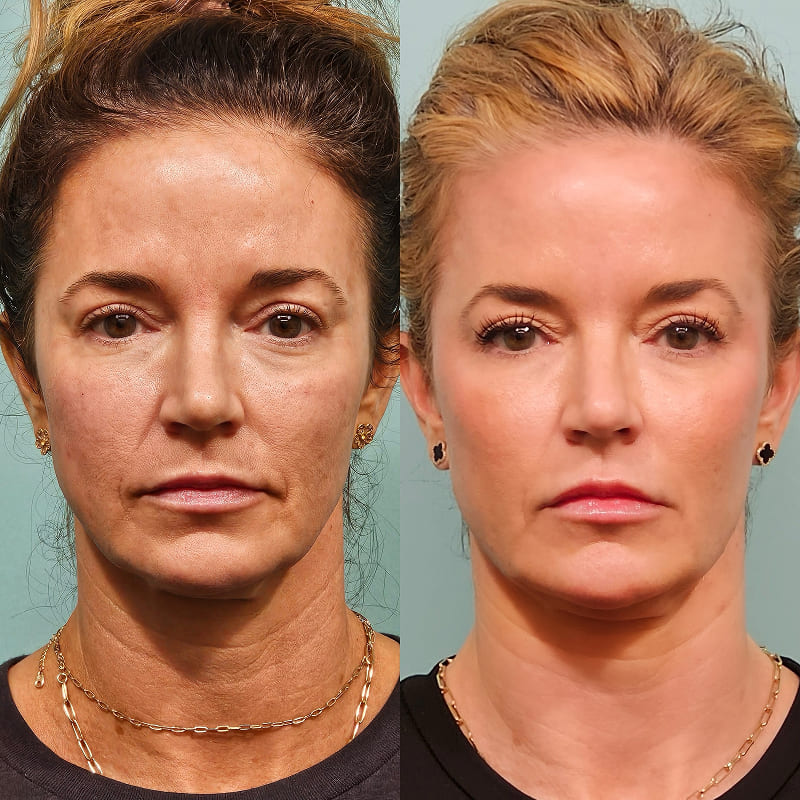
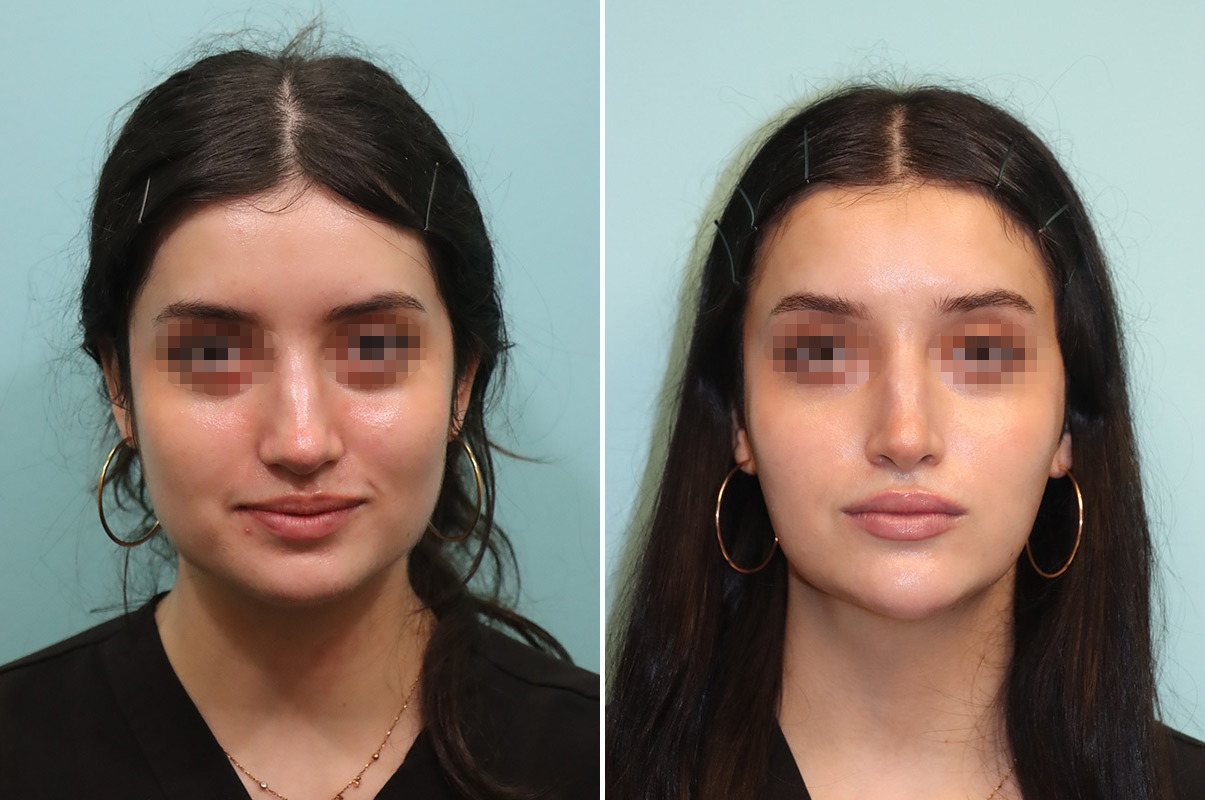
Botox® Before & After photos

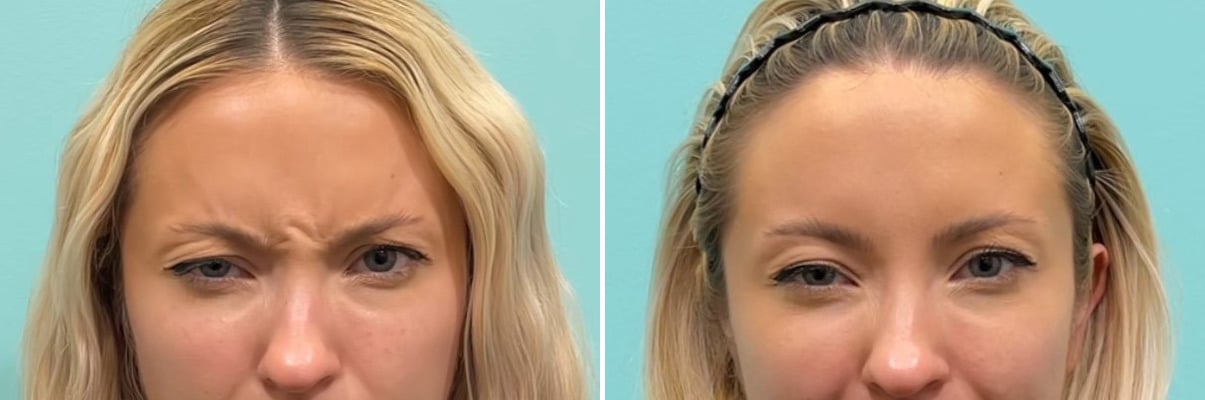
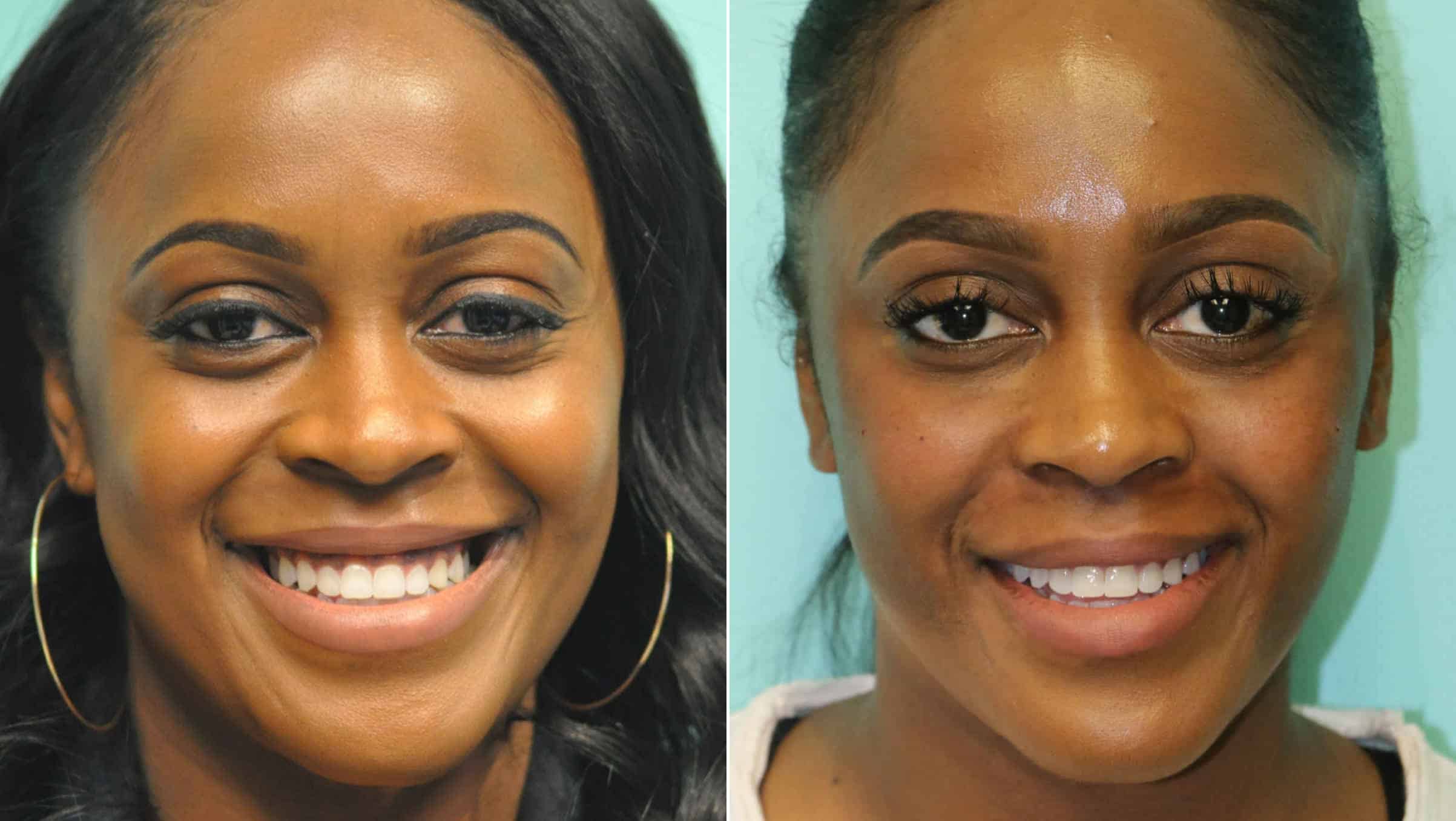


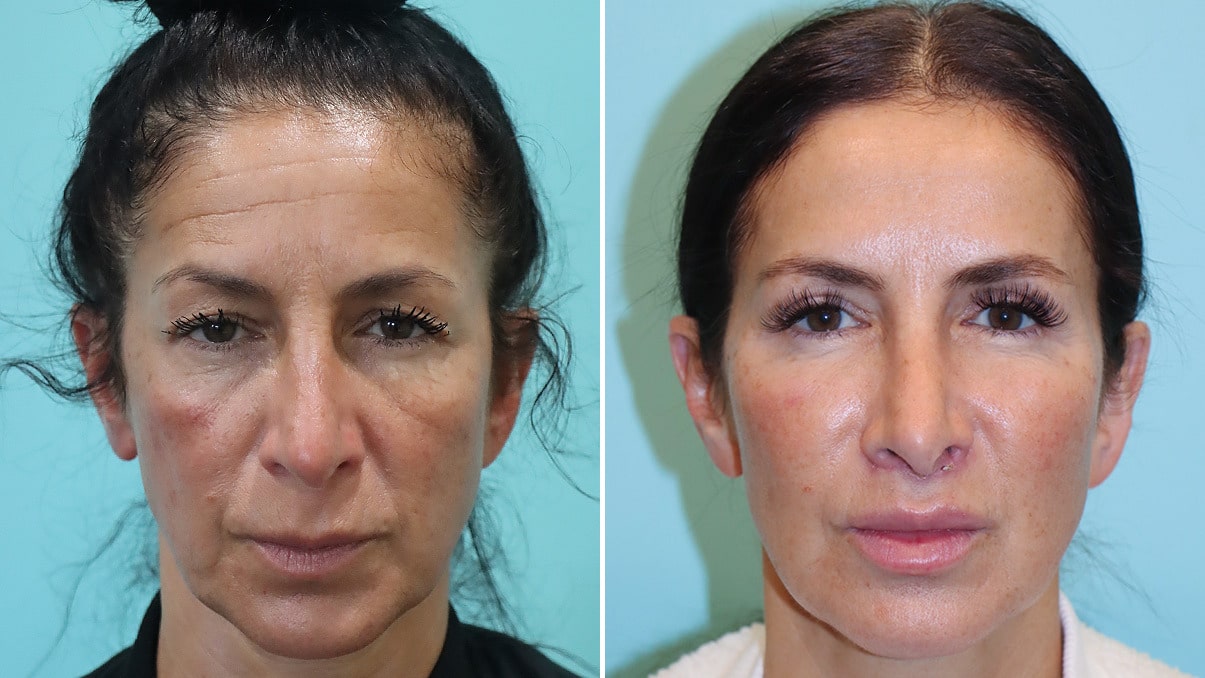
Why Injection Technique Matters
Botox® is injected into specific facial muscles—not directly into wrinkles. The location, depth, dose, and distribution of each injection determine how those muscles relax and ultimately how natural the result looks.
Experienced injection requires an understanding of how facial muscles interact. Treating one muscle can affect the position and movement of another, which is why the same injection pattern should not be used for every patient. Facial anatomy, muscle strength, symmetry, brow position, and individual patterns of expression must all be considered.
Precise dosing and placement can soften wrinkles while maintaining facial movement and balance. Poor technique or inappropriate dosing may contribute to unwanted effects such as brow or eyelid drooping, asymmetry, or an overly frozen appearance.
At The Naderi Center, every Botox® treatment is individually planned and performed by a physician rather than following a standardized injection template.
How does Botox® work?
Botox® temporarily blocks nerve signals to targeted muscles, reducing the contractions that create dynamic wrinkles such as forehead lines, frown lines, and crow’s feet. As these muscles relax, the overlying skin appears smoother.
Botox® is most effective for wrinkles caused by facial movement. Deeper static lines that remain visible at rest may also improve, but treatments such as laser resurfacing, dermal fillers, or other skin rejuvenation procedures may be recommended when skin texture or volume loss also contributes to the wrinkle.


Figure 2: Botox® molecules are shown above binding to the nerve ending, preventing release of neurotransmitters into this space and not allowing nerve to muscle communication, resulting in relaxation of the muscle.
Some patients find the Botox® injection’s effect continues for six months or more. Generally, in these cases the Botox® has worn off; however, muscle memory has been interrupted, meaning the patient no longer frowns or squints as before the Botox® injection.
The best timing for your injection is before your last Botox® injection wears off. The goal is to keep the targeted muscles in a weakened state. Our patients are encouraged to schedule their visits before their frown muscles are able to regain bulk or strength. Weaker muscles mean fewer wrinkles. In some cases, just getting re-injected once or twice per year can show a great impact. However, to ensure the best results, Botox® should be re-injected three to four times per year.
Botox® Dosing and Injection Sites
How many units of Botox are used?
Where is my Botox injected?

Where Is Botox® Injected?
Botox® is injected into specific muscles responsible for facial movement and dynamic wrinkles. Common treatment areas include the forehead, frown lines between the eyebrows, crow’s feet, nose, upper lip, masseter muscles, chin, and platysmal bands of the neck.
Precise placement is essential because Botox® affects muscle activity rather than the wrinkle itself. Small differences in injection location, depth, and dose can significantly influence the final result.

Botox® for Forehead Lines, Frown Lines and “11 Lines”
- Frontalis muscle: Soften forehead horizontal lines
- Corrugator supercilii and procerus muscles: soften the vertical “11” lines between the eyebrows
- Option to create a browlift

Botox® for Crow’s Feet
- Orbicularis oculi: crow’s feet, smoothen lines on the outer corner of the eye

Botox® for Bunny Lines
- Nasalis: bunny lines

Botox for a Gummy Smile
- Gummy smile: relaxes the upper lip and reduces gingival show

Masseter Botox for Jaw Slimming and Bruxism
- Masseter: reduce bruxism and make jaw more oval shaped

Botox® for Lip Lines and Downturned Mouth Corners
- Treatment of marionette lines, lifting corners of mouth

Botox® for Chin Dimpling
- Mentalis: reduce chin dimpling or “peau d’orange”

Botox® for Neck Bands and the Platysma
- Platysma Muscle: reducing appearance of bands on the neck
Patient Reviews


How Many Units of Botox® Will I Need?
There is no single “correct” number of Botox® units for every patient. Some patients have stronger facial muscles and require more product, while others achieve an excellent result with a smaller dose. The goal is not to use the most Botox®, but to use the right amount in the right muscles.
At The Naderi Center, our physicians determine dosing based on your individual anatomy and muscle movement rather than following a standardized treatment pattern.
Cost of Botox® Treatment
At The Naderi Center, Botox® is priced by the unit rather than by treatment area, allowing each treatment to be customized to your facial anatomy, muscle strength, and aesthetic goals.
At The Naderi Center, Botox® injections are performed exclusively by an experienced facial plastic surgeon or dermatologist. We believe Botox should never be a one-size-fits-all treatment. Every face is different, and the appropriate dose depends on each patient’s facial anatomy, muscle strength, patterns of expression, and aesthetic goals.
A petite patient with relatively subtle facial muscle movement may require significantly fewer units than a patient with larger or stronger facial muscles. Even two patients treating the same area may require very different doses to achieve the desired result.
For this reason, The Naderi Center charges for Botox® by the exact number of units used rather than by the treatment area. You pay for the Botox your physician determines is appropriate for your individual face—not a predetermined package or standardized treatment.
Botox® is currently $16 per unit, with the total cost depending on the number of units needed. Many patients use approximately 20–40 units, although treatment is individualized.
Eligible patients may also save through manufacturer rebates and The Naderi Center Loyalty Program, which can reduce the overall cost of treatment.
How to Prepare for Botox® Treatment
Before Your Botox® Appointment
Botox® requires very little preparation. Following a few simple guidelines can help make your treatment comfortable and efficient.
- Arrive with little to no makeup on the treatment areas when possible.
- Eat normally before your appointment.
- Tell your physician about any medications, supplements, allergies, or recent medical treatments.
- Let us know if you have experienced significant bruising or complications with previous injectable treatments.
- If you would like topical numbing cream, please arrive approximately 30 minutes before your appointment.
Most patients find Botox® injections quick and easily tolerated without numbing.
Immediately After Your Botox® Injection
Botox® requires little to no downtime, and most patients return to their normal activities immediately after treatment. Following a few simple precautions can help minimize bruising and swelling:
- Apply a light cold compress as needed for swelling or discomfort. Avoid placing heavy pressure on the treated areas.
- Avoid rubbing, massaging, or manipulating the injection sites after treatment.
- Avoid strenuous exercise for the period recommended by your physician.
- Gently wash your face as usual, taking care not to aggressively rub the treated areas.
- Makeup may be applied gently after treatment if needed.
- Avoid facials, facial massage, or other treatments that place pressure on the injected areas until cleared by your physician.
Your physician will provide specific aftercare instructions based on the areas treated and your individual needs.
Botox® Educational Videos
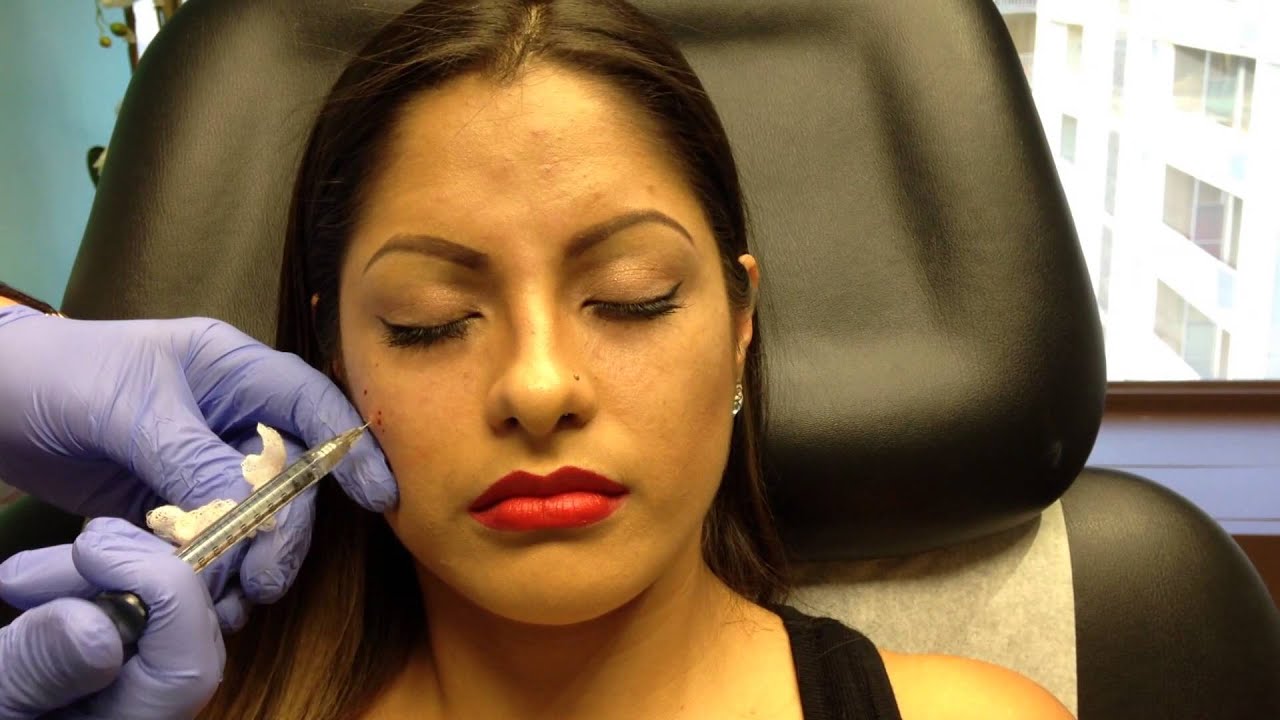
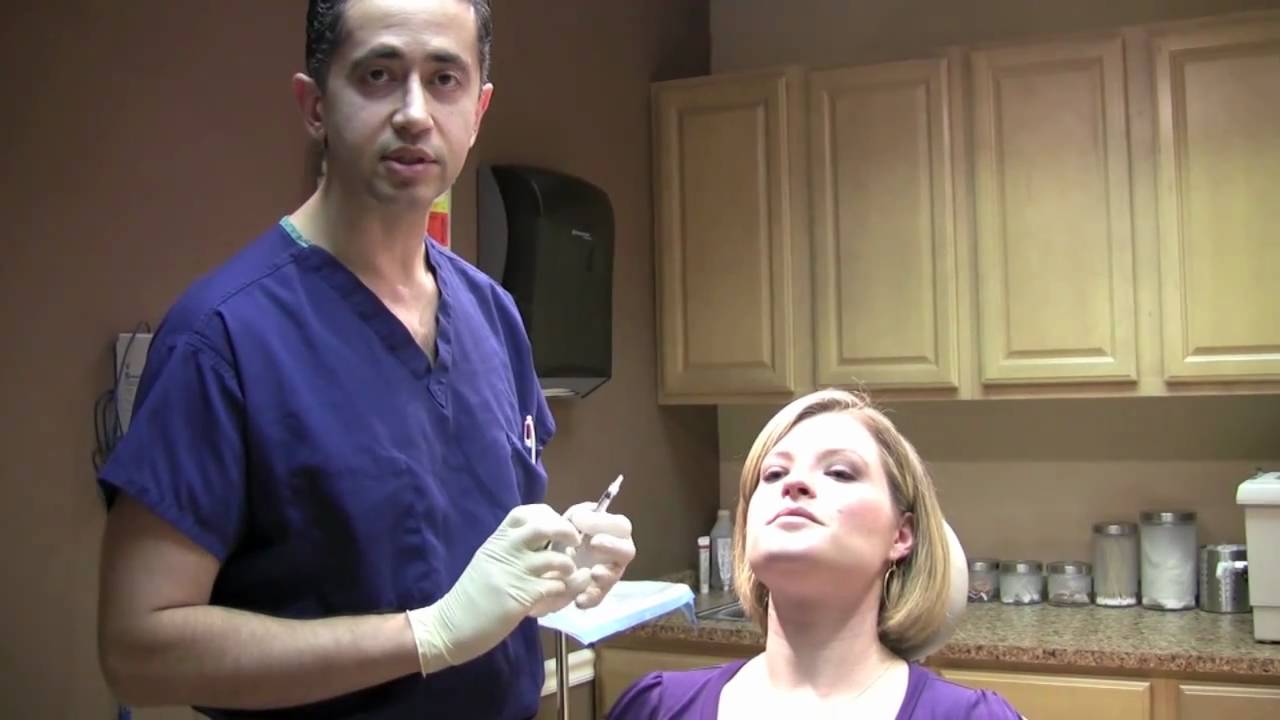
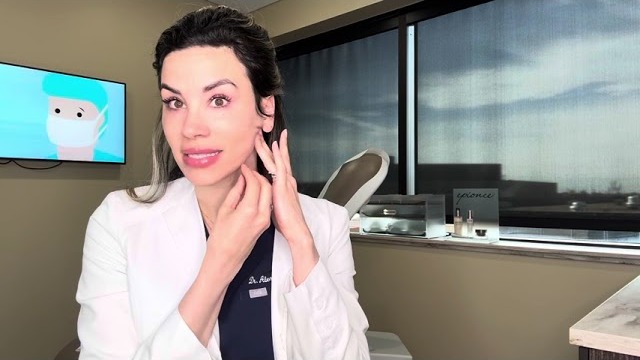
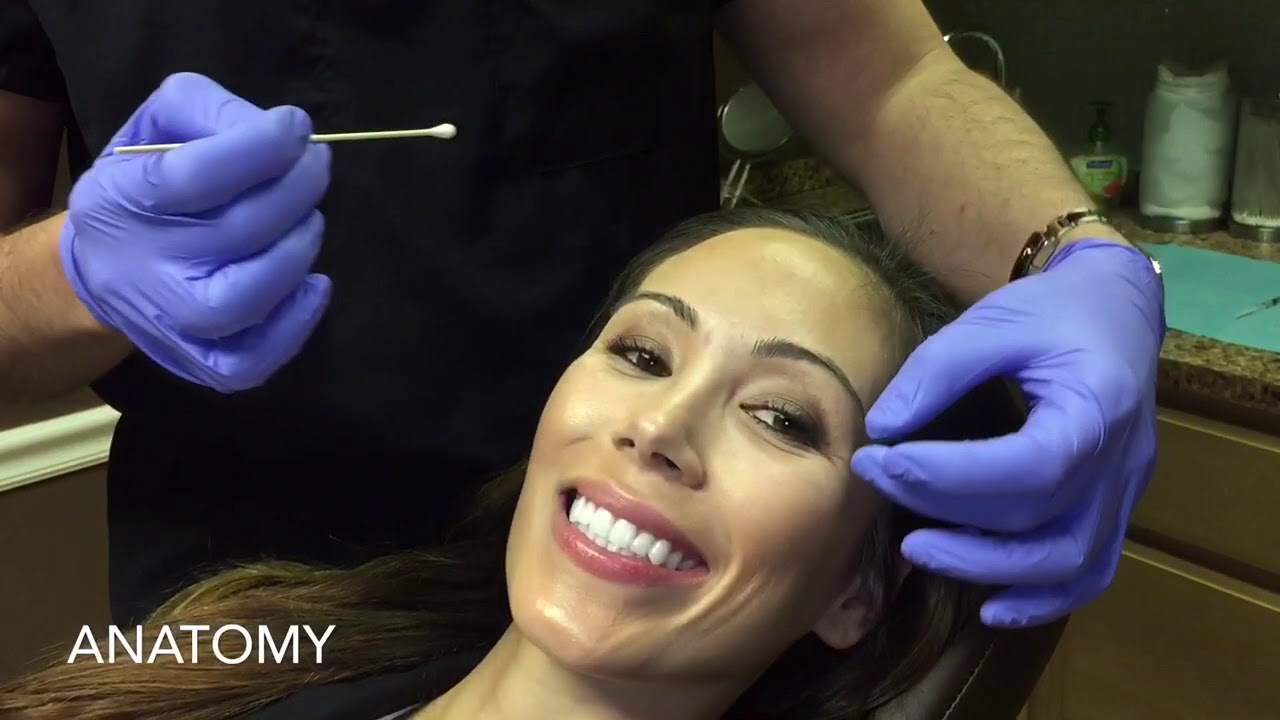
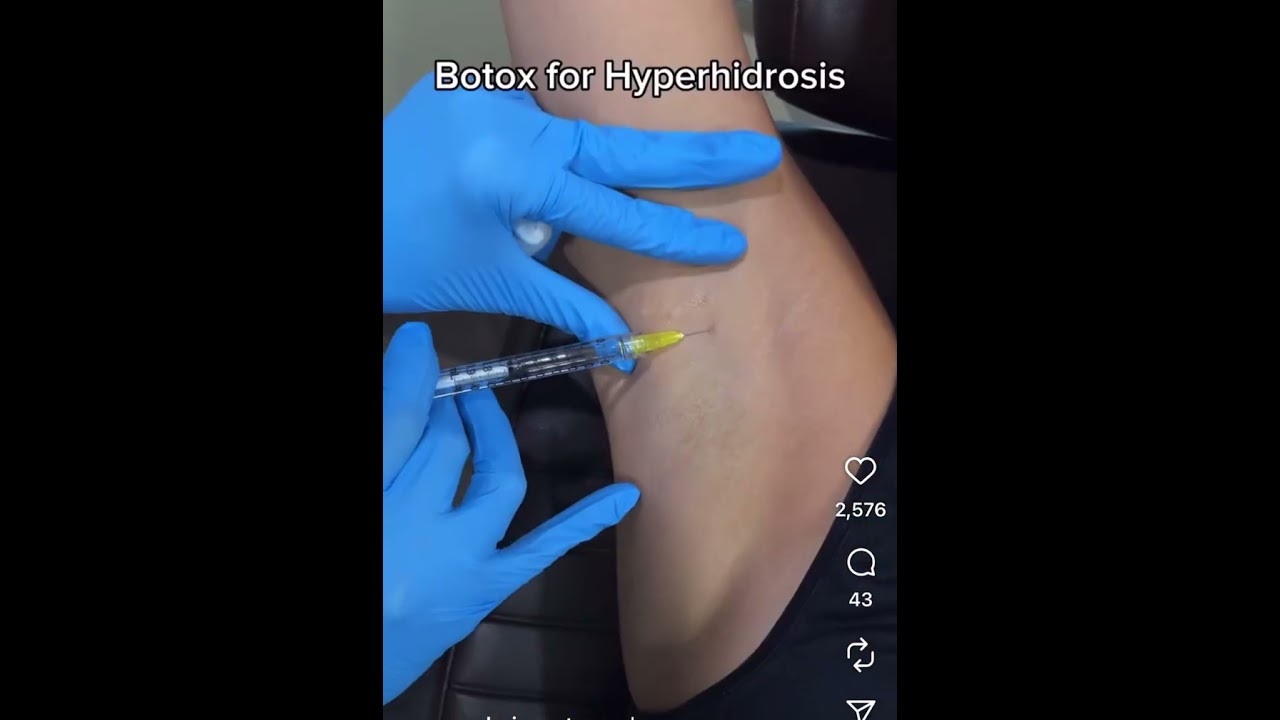
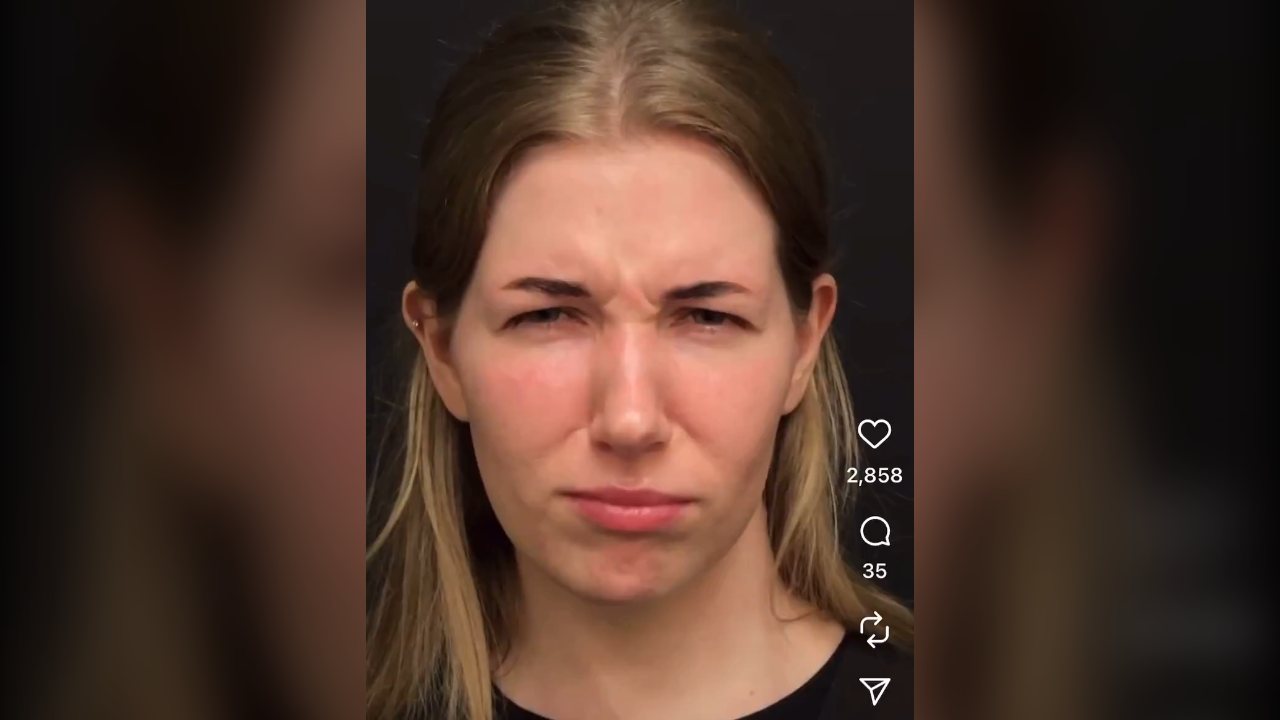
Learn more about Botox® from Dr. Shervin Naderi, a facial plastic surgeon and former Allergan Botox® and Medicis Dysport® trainer. Dr. Naderi has created numerous educational videos on neuromodulators, facial anatomy, injection technique, and achieving natural-looking results.
Explore some of his most popular Botox® videos below.


From our Instagram
When Will I See Botox® Results?
Most patients begin to notice improvement within 3–5 days, with the full effect developing over approximately 2 weeks. Results generally last about 3–4 months, although duration varies depending on the treatment area, dose, muscle strength, and individual response.
Your physician will provide specific aftercare recommendations based on the areas treated and your individual needs.
Please follow these general recovery guidelines following Botox®.
Botox® Safety, Risks & Potential Side Effects
Common Botox® Side Effects
Most side effects are mild and temporary and may include:
- Redness, swelling, tenderness, or bruising at the injection sites
- Headache
- Temporary asymmetry
- Temporary eyebrow or eyelid drooping
- Dry eye or excessive tearing
- Temporary weakness of nearby muscles
Careful patient selection, appropriate dosing, and precise injection placement can help reduce the risk of unwanted effects.
Potential Complications after Botox® Treatment
Why Choose Our Physician Botox® Injectors, Dr. Shervin Naderi and Dr. Alexandra Snodgrass?
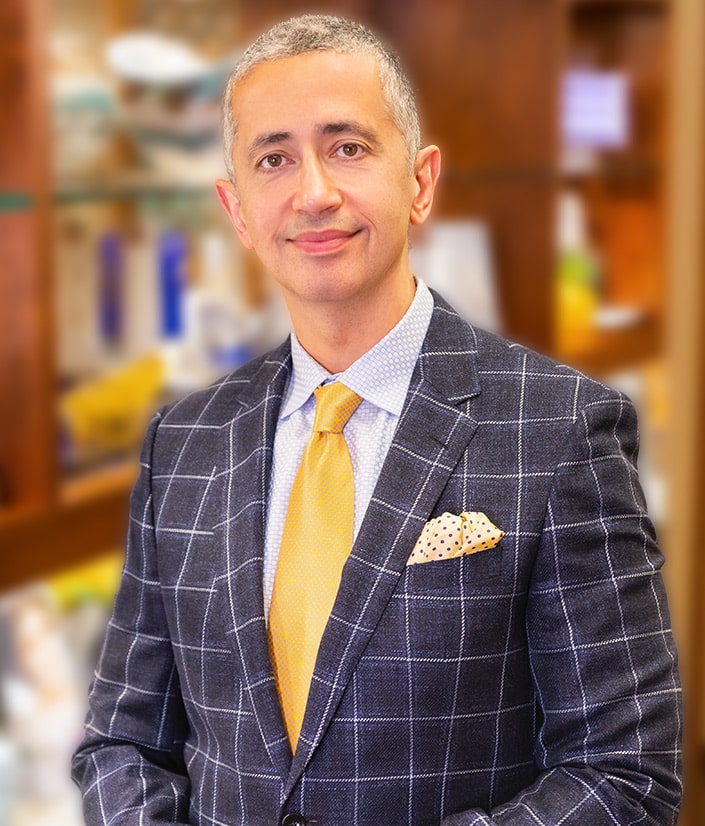
Dr. Shervin Naderi — Nationally Recognized Facial Plastic Surgeon & Injectable Expert
Dr. Shervin Naderi is a double board-certified facial plastic surgeon with more than 25 years of experience focused on the face. Over the course of his career, he has performed tens of thousands of injectable treatments while also developing an extensive surgical practice in rhinoplasty and facial rejuvenation.
Dr. Naderi previously served as a clinical instructor for Allergan and Medicis, teaching physicians and other medical professionals advanced techniques for Botox®, Dysport®, and dermal fillers. He has also served as a board examiner for the American Board of Facial Plastic and Reconstructive Surgery, helping evaluate other surgeons seeking certification in the specialty.
His expertise has earned repeated recognition from both patients and his peers. Dr. Naderi has been selected year after year as a Washingtonian Top Doctor, recognized as an Arlington Magazine Top Doctor, and named by Newsweek among America’s Top Plastic Surgeons. He was also selected as one of RealSelf’s Top 25 Most Loved Injectors in the United States, based on patient nominations.
Beyond his clinical practice, Dr. Naderi is a regular lecturer and educator in facial aesthetics and is frequently invited to discuss facial plastic surgery, Botox®, fillers, and aesthetic medicine on podcasts and in national and international media.
What distinguishes his approach to Botox is the combination of surgical knowledge of facial anatomy, decades of injection experience, and a deliberately conservative aesthetic philosophy. Treatment is customized to each patient’s facial structure, muscle strength, expression, age, and goals—with the objective of softening unwanted lines while preserving natural movement and individuality.
Dr. Alexandra Snodgrass — Board-Certified Dermatologist & Aesthetic Injector
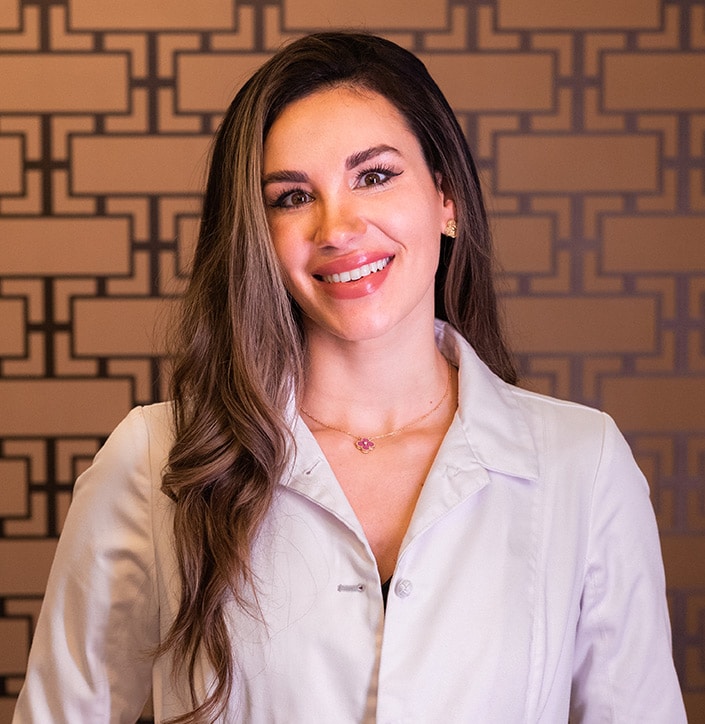
Dr. Alexandra Snodgrass is a board-certified dermatologist with a special focus on aesthetic dermatology, facial rejuvenation, Botox®, dermal fillers, lasers, and skin health. Her background allows her to evaluate not only facial movement and volume, but also the quality, texture, and aging of the skin itself.
Dr. Snodgrass completed her medical training and dermatology residency at the University of Florida, where she trained in medical, surgical, and cosmetic dermatology. She is a Diplomate of the American Board of Dermatology and a member of leading professional organizations including the American Academy of Dermatology and the American Society for Dermatologic Surgery. She has also authored scientific articles and textbook chapters and has presented at national medical meetings.
At The Naderi Center, Dr. Snodgrass has treated thousands of patients with Botox® and dermal fillers and has developed extensive experience in nonsurgical facial rejuvenation. Her approach combines a dermatologist’s understanding of skin aging with detailed assessment of facial anatomy, muscle movement, symmetry, volume, and skin quality.
Rather than following a standardized injection map, Dr. Snodgrass individualizes every Botox treatment based on the patient’s anatomy, expression, muscle strength, age, and aesthetic goals. The objective is not to create a frozen or overtreated appearance, but to soften unwanted lines while preserving natural expression and facial balance.
Her expertise in Botox®, fillers, lasers, acne treatment, medical-grade skincare, and cosmetic dermatology also allows her to recognize when Botox alone is appropriate—and when another treatment, or no additional treatment at all, may produce a better result.
Schedule your Consultation
If you are considering Botox®, schedule a consultation at The Naderi Center to learn whether treatment is right for you. Our physicians will evaluate your facial anatomy, muscle movement, and aesthetic goals to create a personalized treatment plan designed to achieve natural-looking results.
The Naderi Center welcomes patients from throughout Washington DC, Northern Virginia, Maryland, and across the United States. Botox® treatments are available at our Reston, Virginia and Chevy Chase, Maryland locations.
Call our Reston office at 703-481-0002 or our Chevy Chase office at 301-222-2020 to schedule your appointment. Virtual consultations are also available for patients traveling from outside the Washington DC area.
Physician Botox® Injectors Serving the DMV
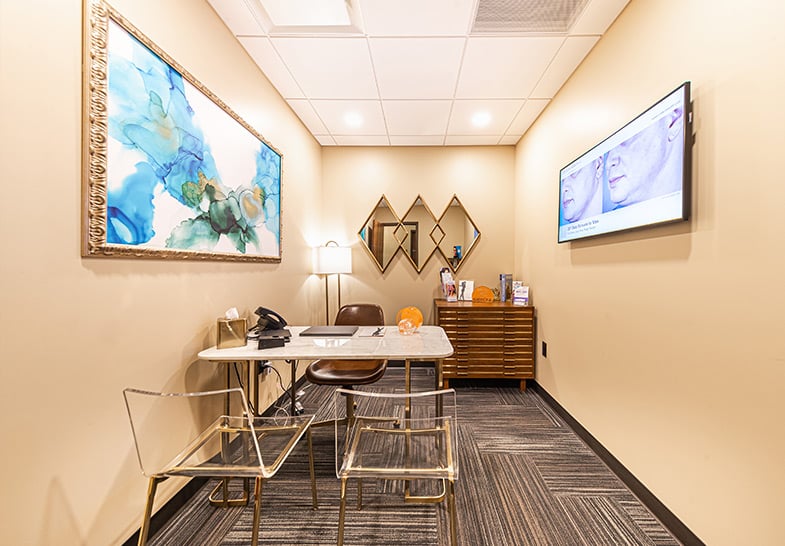
The Naderi Center has two offices in the Washington, DC metropolitan area (the DMV). At both, every Botox® injection is performed by a physician.
Reston, Virginia. Our Northern Virginia office is at 1850 Town Center Parkway, Pavillion II, Suite 551, Reston, VA 20190. It is convenient for patients from Herndon, Great Falls, Vienna, Tysons, McLean, Sterling, Ashburn and Fairfax. Call 703-481-0002.
Chevy Chase, Maryland. Our Maryland office is at 5454 Wisconsin Avenue, Suite 1655, Chevy Chase, MD 20815, in Friendship Heights. It is close to Bethesda, Potomac, Rockville, Silver Spring and Northwest Washington, DC. Call 301-222-2020.
Medically reviewed by Dr. Shervin Naderi, double board-certified facial plastic surgeon. Last updated October 2026.
Botox® FAQs
Who performs Botox at The Naderi Center?
All Botox® injections at The Naderi Center are performed exclusively by experienced physicians, including facial plastic surgeon Dr. Shervin Naderi and board-certified dermatologist Dr. Alexandra Snodgrass. Each treatment is customized based on your facial anatomy, muscle strength, patterns of expression, and aesthetic goals. Our approach is to use precise dosing to soften unwanted lines and wrinkles while preserving natural facial movement and expression.
What is the difference between Botox®, Dysport®, Xeomin®, Jeuveau®, and Daxxify®?
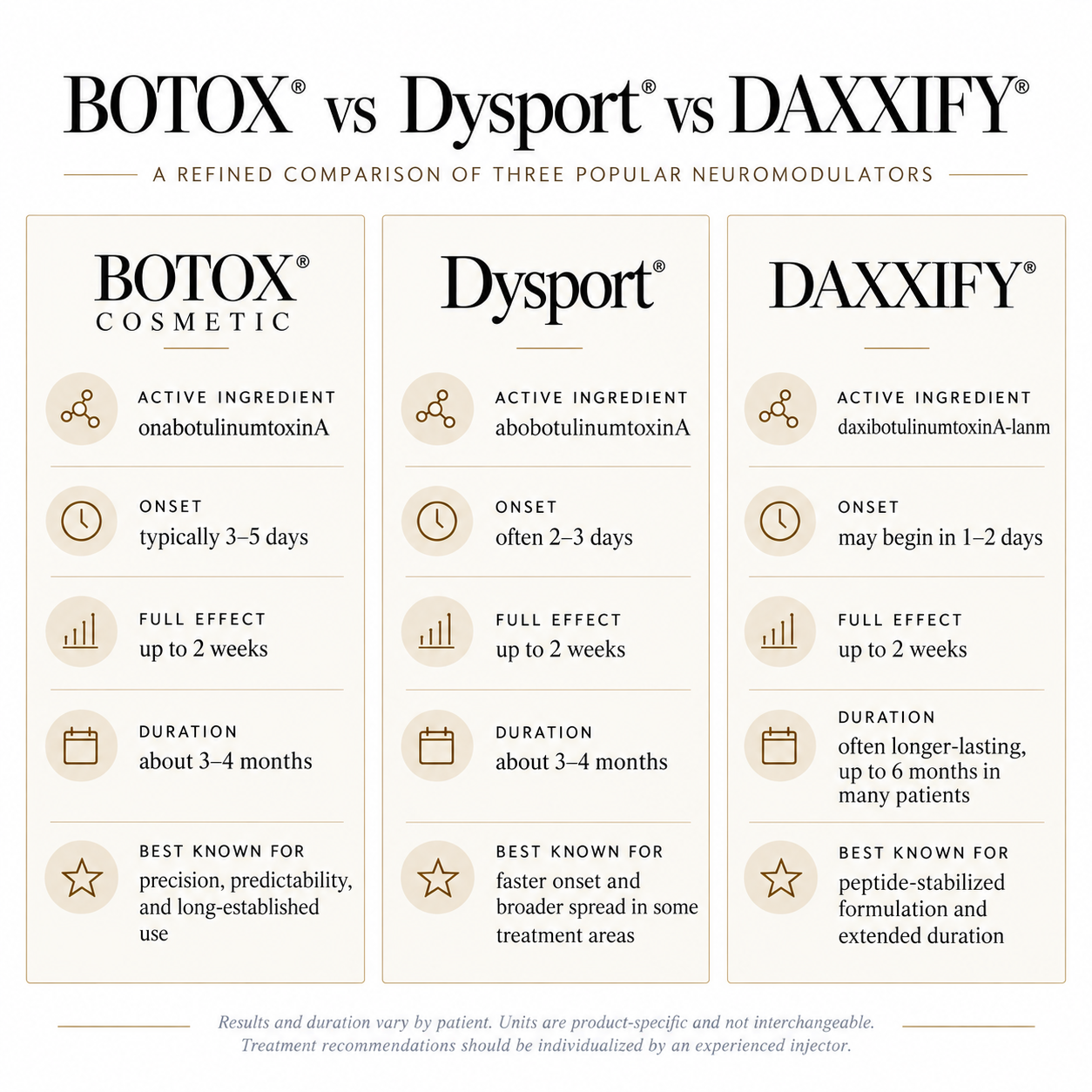
Botox®, Dysport®, Xeomin®, Jeuveau®, and Daxxify® are injectable neuromodulators that temporarily reduce targeted muscle activity to soften dynamic facial wrinkles. Although they work in similar ways, they differ in their formulations, dosing, onset, diffusion characteristics, and duration of effect.
Botox® was the first botulinum toxin approved by the FDA for cosmetic treatment of frown lines and remains one of the most widely recognized neuromodulators. The best product depends on the treatment area, your facial anatomy, previous experience with neuromodulators, and your individual goals. At The Naderi Center, your physician can recommend the most appropriate option for you.
At The Naderi Center, our physicians use Botox®, Dysport® and Daxxify®. Botox® and Dysport® have been on the market the longest and have the longest history of FDA approval for cosmetic use, which is why they have been in our hands for so many years. We added Daxxify® because it came to market as a longer-acting toxin, and some studies suggest it can last longer when it is dosed properly. Xeomin® and Jeuveau® are also FDA-approved and effective options.
Can Botox® be watered down or over-diluted?
Botox® is supplied as a powder and must be reconstituted with sterile saline before it can be injected. The amount of saline added determines the concentration of the solution, but the most important number for patients is the actual number of Botox® units they receive.
A more diluted solution does not necessarily mean you are receiving fewer units of Botox®. However, concentration and injection volume can influence how the product is delivered and distributed within the targeted area, making proper preparation and injection technique important.
At The Naderi Center, Botox® is carefully reconstituted to a consistent concentration, and patients are charged according to the actual number of Botox® units used. When comparing Botox pricing, ask how many units you are receiving rather than focusing only on the total price of the treatment.
The U.S. Food and Drug Administration has also warned about counterfeit Botox® and advises patients to confirm that their injector is licensed and trained and that the product comes from an authorized source.
How often should you get Botox®?
Most patients who want to maintain consistent Botox® results schedule treatments approximately every 3–4 months as muscle movement gradually returns. However, Botox does not need to be performed on a fixed schedule. Some patients choose treatment only once or twice a year, while others prefer more regular maintenance.
The ideal Botox® treatment frequency depends on your muscle strength, treatment area, dose, how long your results last, and your aesthetic goals. Your physician at The Naderi Center can recommend a personalized treatment schedule based on how your individual face responds to Botox®.
Does Botox® work for men?
Yes. Botox® is highly effective for men who want to soften forehead wrinkles, frown lines between the eyebrows, and crow’s feet while maintaining a natural, masculine appearance. Sometimes referred to as “Brotox,” Botox® for men has become an increasingly popular non-surgical treatment for facial wrinkles.
Men often have larger and stronger facial muscles and may require higher Botox® doses in certain areas than women. Injection patterns may also differ, particularly around the forehead and eyebrows, where careful placement is important to maintain a natural brow position and avoid an overly arched or “frozen” appearance.
At The Naderi Center, Botox® treatments for men are performed by experienced physicians and customized according to each patient’s facial anatomy, muscle strength, patterns of expression, and desired degree of movement.
Am I too old for Botox®?
You cannot ignore your skin for 50 years and expect Botox® to work magic.
There is no specific age at which you become “too old” for Botox®. Patients in their 40s, 50s, 60s, 70s, and beyond may benefit from Botox® when dynamic wrinkles caused by facial muscle movement are contributing to an aged or tired appearance.
However, Botox® cannot correct every aspect of facial aging. As we age, wrinkles increasingly result from a combination of repetitive muscle movement, changes in skin quality, volume loss, and facial and neck laxity. Botox can soften expression lines, but deeper static wrinkles, sun-damaged skin, sagging brows, eyelid aging, or facial and neck laxity may require additional treatments.
Depending on your individual needs, Botox® may be combined with medical-grade skincare, chemical peels, laser resurfacing, dermal fillers, or surgical procedures such as a brow lift, blepharoplasty, or facelift. At The Naderi Center, our physicians evaluate the face as a whole and recommend only the treatments appropriate for your anatomy, degree of aging, and aesthetic goals.
Do Botox® injections hurt?
Botox® injections are typically quick and well tolerated, and most patients require no anesthesia. The injections are performed with a very fine needle and usually cause only brief, mild discomfort.
For patients who are particularly sensitive to injections, ice or a topical numbing cream may be used to make the treatment more comfortable. Most Botox® treatments take only a few minutes and require little to no downtime.
How long does a Botox® treatment take?
Botox® is a quick, in-office treatment that typically takes only 5–10 minutes to perform. Because there is little to no downtime, many patients schedule Botox® during their lunch break and return to work or normal daily activities immediately afterward.
Is Botox® safe?
Botox® has a long history of medical and cosmetic use and is generally considered safe when appropriately prescribed and administered by a qualified medical professional. As with any medical treatment, however, Botox® can cause side effects and complications.
The most common effects are temporary and may include redness, swelling, tenderness, bruising, or headache. Less commonly, Botox® can cause unwanted weakness of nearby muscles, facial asymmetry, or temporary eyebrow or eyelid drooping. Rare but potentially serious complications are also possible.
At The Naderi Center, Botox® injections are performed exclusively by physicians who carefully evaluate each patient, select the appropriate dose, and precisely place injections based on facial anatomy and muscle function.
How long does Botox take to work?
Most patients begin noticing the effects of Botox® within 3–5 days, with the full result typically developing within approximately two weeks.
How many units of Botox® do I need?
The number of Botox® units you need depends on the treatment area, your facial anatomy, muscle strength, patterns of expression, and your desired degree of movement. There is no single Botox dose that is appropriate for every patient.
Patients with stronger facial muscles may require more units, while others may achieve their desired result with a smaller dose. Even two patients treating the same forehead, frown lines, or crow’s feet may require very different amounts of Botox®.
At The Naderi Center, our physicians evaluate your face in motion and at rest before determining your dose. We charge by the actual number of Botox® units used rather than by treatment area, allowing each treatment to be customized specifically to your face.
Will Botox® make me look frozen or unnatural?
Botox® should not make you look frozen or unnatural when it is appropriately dosed and precisely placed. The goal is to soften unwanted wrinkles while preserving natural facial movement and expression.
An unnatural result can occur when too much Botox® is used or when the dose and injection pattern are not appropriate for the patient’s individual facial anatomy and muscle activity. At The Naderi Center, our physicians customize every Botox® treatment based on your facial structure, muscle strength, symmetry, and desired degree of movement—so you still look like yourself, only more refreshed.
What is the best age to start Botox®?
There is no single “best age” to start Botox®. The right time depends more on your facial anatomy, muscle strength, expression patterns, and whether dynamic lines are beginning to remain visible when your face is at rest.
Some patients begin preventative Botox® in their late 20s or 30s to reduce repetitive muscle movement before expression lines become deeply etched, while others may not benefit from treatment until later. Starting Botox® simply because you reach a certain age is unnecessary.
At The Naderi Center, our physicians recommend Botox® based on what they see in your individual face—not your birthday.
What happens when Botox® wears off? Will my wrinkles get worse?
When Botox® wears off, the treated muscles gradually regain movement and your expression lines slowly begin to return. Your wrinkles do not suddenly become worse simply because you stop Botox® treatments.
Most Botox® results last approximately 3–4 months, although duration varies by patient, treatment area, dose, and muscle strength. If you decide not to continue treatment, your facial movement and wrinkles will gradually return toward their pretreatment appearance while the normal aging process continues.
How do I choose the best Botox® injector in the DMV?
Start with who will actually hold the syringe. In the Washington DC, Maryland and Virginia (DMV) area, Botox® is offered by many kinds of providers, so it helps to ask about the injector’s medical training, how many years they have been injecting, whether you can see their own before-and-after photos, and whether you are charged for the exact number of units you receive.
At The Naderi Center, every Botox® injection is performed by a physician: Dr. Shervin Naderi, a double board-certified facial plastic surgeon and former Allergan and Medicis clinical instructor who was selected as one of RealSelf’s Top 25 Most Loved Injectors in the United States, or Dr. Alexandra Snodgrass, a board-certified dermatologist. Botox® is priced by the unit at our Reston, Virginia and Chevy Chase, Maryland offices.
Where can I get Botox® near Washington DC?
The Naderi Center offers physician-performed Botox® treatments at two Washington DC-area locations: Reston, Virginia and Chevy Chase, Maryland. We regularly treat patients from Washington DC, Northern Virginia, and Maryland seeking natural-looking Botox® results.
Our Reston office is convenient for patients from Herndon, Great Falls, Vienna, Tysons, McLean, Sterling, Ashburn and Fairfax. Our Chevy Chase office is on Wisconsin Avenue in Friendship Heights, close to Bethesda, Potomac, Rockville, Silver Spring and Northwest Washington, DC.
All Botox® injections at The Naderi Center are performed by experienced physicians and customized to each patient’s facial anatomy, muscle movement, and aesthetic goals. Visit our Locations page to learn more about our Reston and Chevy Chase offices.
Who should not get Botox®?
Botox® may not be appropriate for everyone. Patients with an infection at the planned injection site, a known allergy to botulinum toxin or its ingredients, or certain neurologic or neuromuscular disorders may not be candidates for treatment.
Women who are pregnant or breastfeeding should discuss Botox® with their physician, as cosmetic treatment is generally deferred because adequate safety data are limited. Certain medications and medical conditions may also affect whether Botox® is appropriate.
Before every Botox® treatment at The Naderi Center, your physician will review your medical history, medications, previous treatments, and aesthetic goals to determine whether Botox® can be safely and appropriately performed.