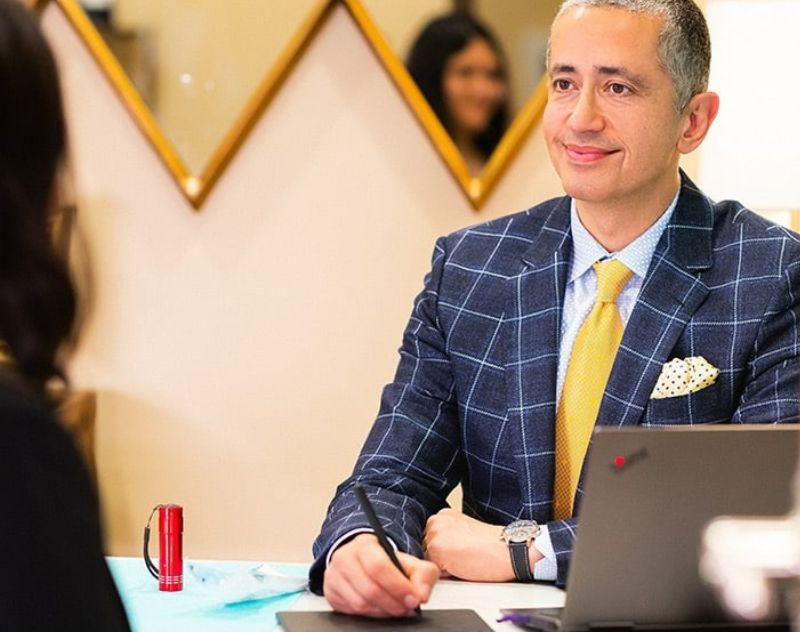
By Dr. Shervin Naderi, Double Board Certified Facial Plastic Surgeon – The Naderi Center
Facelifts have long been associated with the 50 to 70 year old age group — the age when visible sagging, jowls, and deep creases prompt many to seek surgical rejuvenation. But in today’s aesthetic landscape, a quiet revolution is underway. Increasingly, men and women in their late 30s and 40s are opting for facelift procedures—not to look drastically younger, but to maintain facial harmony, prevent aging from accelerating and to enjoy looking their best in their prime.
According to Deep Plane Facelift Specialist Dr. Shervin Naderi, a double board-certified facial plastic surgeon and nationally recognized expert in Facial Plastic Surgery and deep plane facelift techniques, this generational shift represents a more proactive, nuanced approach to beauty. “Younger patients are no longer waiting until significant sagging sets in,” Dr. Naderi explains. “They’re seeking subtle refinement while their tissues still have elasticity, which allows for an even more natural and long-lasting outcome.”

Modern Facelift Surgery Highlights
- Facelifts are now not only appealing to the aging patients but also the younger ones, as the people in their late 30s and 40s are going for a surgical procedure in order to keep the youthful facial structure.
- With a deep plane facelift, the causes of aging in the face are targeted and not just the sagging skin, resulting in more natural and longer-lasting results.
- The more the patient is younger the more he/she gets fast recovery, has minor scars, and the outcome is subtle and more refined.
- Dr. Shervin Naderi who is a plastic surgeon at The Naderi Center can make the facelift results to be more refreshed looking rather than surgical when he does the procedure.
- Timely, early facial surgery can give the patients a look of youthfulness that is natural and still offer them the confidence to enjoy their life in the best years.
The Rise of the “Beautification Lift”
Social media and high-definition cameras have made people hyper-aware of how their faces appear from every angle. Rather than living with wrinkles, lines and jowls for several decades and then trying to erase those decades of aging later in life, many patients in their late 30s and early 40s are now looking to refine the jawline, lift early cheek descent, and restore youthful definition. This movement has been nicknamed the “beautification lift”—a facelift for prevention and enhancement, not just correction.
Dr. Naderi notes that these patients aren’t seeking to look “different.” They want to look refreshed, well-rested, and timeless especially during their most active prime years. They are not interested in wasting money on an endless series of painful “no downtime – no result” procedures like Thermage or Ultherapy. They do not want to become overfilled with Fillers just to “stretch out” their early sagging skin. They just want the actual problem corrected. “My younger facelift patients often say, ‘I don’t want anyone to know I had surgery. I just want people to think I take care of myself.’” That’s where Dr. Naderi’s deep plane approach truly shines.
What Makes a Deep Plane Facelift Unique
Unlike older techniques that simply pulled the skin tighter, or even the SMAS lift/suturing techniques, a deep plane facelift works beneath the superficial layers, repositioning the underlying deeper muscles and fat pads where facial aging begins. This approach allows for more natural movement, minimal tension on the skin, and a rejuvenation that appears effortless. “Sagging of the tissues occurs in the inferio-medial vector and the deep plane rhytidectomy lifts these layers back up in the exact opposite direction they descended. Traditional facelifts lifted the skin in a more lateral direction creating unnatural pulls and that telltale sign of a facelift,” says Dr. Naderi.
Dr. Naderi has spent decades refining his surgical technique to create outcomes that last longer and heal beautifully. “By releasing the deeper facial ligaments, we can reposition the midface and jawline in harmony with the rest of the face,” he explains. “This produces a result that is soft, elegant, and structurally supported—not pulled or overdone.”
A Younger Generation Seeks Subtle Refinement

Many of Dr. Naderi’s newer facelift consultations involve patients in their late 30s and early 40s who have noticed subtle jowling or sagging. They aren’t trying to reverse 20 years of aging—they’re aiming to keep their facial shape youthful. This generation wants to look their best and enjoy the best years of their lives and views cosmetic surgery as maintenance, much like skincare or fitness.
Interestingly, this demographic often blends surgical and nonsurgical treatments. A younger facelift patient may also have received Morpheus8 skin tightening or IPL Photofacials and some conservative use of Fillers before deciding on surgery, meaning they already have a strong foundation for surgical results. They are not delaying gratification until their 70s. They want to look great now.
Recovery Advantages for Younger Patients
One of the key benefits for young people is faster recovery. Skin heals more efficiently, swelling subsides more quickly, and the tissues integrate smoothly. “Younger patients typically see visible improvements within two to three weeks,” Dr. Naderi shares. “By four to six weeks, most are back to casual work and casual social life without too many signs of surgery.” But it still takes up to 3 months for their full confidence to shine.
The incisions are discreetly hidden along the hairline and around the ear. Because deep plane facelifts place less tension on the skin, scars tend to heal finer and softer, even in patients prone to thicker scar healing. More importantly, the tissues have better elasticity and structural integrity, so the “pull” results in better actual results vs. somebody in their 70s where the tissue is frail and the pull is more limited.
Natural Is the New Luxury
Today’s facelift trend mirrors the broader “quiet luxury” movement in aesthetics—favoring refinement over transformation. Patients aren’t asking to look “different”; they’re seeking to preserve their natural beauty with surgical precision.
Dr. Naderi’s goal is to deliver undetectable rejuvenation. “My patients often tell me their friends can’t pinpoint what changed—they just get compliments about looking vibrant and rested,” he says. That’s the hallmark of an expert facelift. “To achieve such results, oftentimes it’s not a simple matter of pulling, but also adding proper volume. Volume is added in the form of micro and nano fat injections. That is what creates a youthful look, not a simple pull,” says Dr. Naderi.
Not All Facelifts Are Created Equal
The difference between a standard facelift and a deep plane facelift can be dramatic. Traditional facelifts focus primarily on tightening the skin, while the deep plane approach lifts the entire facial structure. The result? Longer-lasting rejuvenation that looks completely natural.
For Dr. Naderi, anatomy is everything. “Every face ages differently,” he says. “The key is understanding how to re-suspend the deep tissues in a way that complements the patient’s individual facial balance.

Facial Plastic Surgery Expertise Matters
Dr. Naderi, due to his more than 20 years of experience in the field of facial surgery, has accomplished thousands of facial surgeries making The Naderi Center a preferred place for patients from other states or countries who are after world-class results. His expertise in facial surgery enables him to attain extraordinary consistency and precision.
Patients often travel from across the country for his artistry and reputation for natural outcomes—particularly those who want to avoid the “pulled” or “windswept” look common with older outdated techniques.
The Emotional Side of a Younger Facelift
Many patients in their 30s and 40s report that they don’t feel old but are starting to look tired in photos. Their decision to have a facelift isn’t driven by vanity but by alignment—matching how youthful they feel with how they appear. They eat healthy and clean, they work out plenty, and they hydrate, but nothing will correct the gravitational descent of the tissues other than proper surgery. “It’s about confidence and self-expression,” Dr. Naderi says. “When your outer appearance reflects your inner vitality, it’s empowering.”

Trust Experience That’s 100% Facial-Focused
Choose Dr. Naderi, a surgeon with decades of exclusive expertise in facial plastic surgery.
Combining Procedures for Harmonious Results
Dr. Naderi often performs a facelift together with a neck lift, fat transfer, eyelid surgery or a brow lift so that the patient receives an even, refreshed appearance. When performed together, these procedures create smooth transitions across the lower face and neck.
For younger patients, less may be more—sometimes a deep plane lift alone restores harmony without the need for adjunct procedures.
Longevity of Results

While individual outcomes vary and there is no such thing as “perfection,” a well-performed deep plane facelift can last 10 to 15 years or more, depending on genetics, lifestyle, and skincare maintenance. Because the deeper tissues are lifted rather than just the skin, the aging process continues more gracefully over time. Dr. Naderi says that it is important to continue with minimally invasive procedures such as Botox and conservative use of dermal fillers, as well as procedures such as Morpheus8, microneedling, skin care, and some light laser treatments to preserve the results and delay future surgeries.
How Dr. Naderi Customizes Each Facelift
Every facelift is different. Dr. Naderi analyzes each surgery according to the patient’s structure, skin quality, and desired appearance. For younger patients, he often focuses on subtle refinement and early jawline definition rather than dramatic lifting.
The customization is the reason for the naturalness of his results and it is also the reason why his patients do not hesitate to refer their friends, family, and even work colleagues.
Safety First: Accredited Surgical Setting
Every facelift at The Naderi Center is carried out in a surgical suite that holds full accreditation and a board-certified anesthesiologist stays on site. The team places safety, sterility, plus the patient’s comfort above all else from start to finish. “We take no short-cuts and maintain hospital-level standards,” Dr. Naderi emphasizes, “so patients can trust that every detail—from anesthesia to recovery—is managed with expertise.”
Recovery Timeline
Most patients return home the same day. Swelling peaks around days 2–3 and gradually improves over the first week. By week two, patients may begin light activity. Between week three and four, they may apply makeup, as well as return to normal routines and feel at ease in casual social settings again. The final outcome becomes clear between three but also six months later, when the cheeks show clear definition, the jawline looks smooth and the neck presents a younger contour.
Preparing for Surgery
Preparation involves optimizing skin health. At The Naderi Center, patients often undergo VISIA Skin Analysis to evaluate their complexion and ensure optimal healing conditions. Making sure skin is at its optimal health and elasticity with good skincare products is important.
Avoiding Nicotine containing products is an absolute must. Avoiding medications or supplements that increase bleeding risk and having normal to low blood pressure reduces chances of post-op hematomas.
Post-Surgical Care
Dr. Naderi and his team provide comprehensive follow-up care, from in-office visits to virtual check-ins. Patients receive detailed recovery instructions, scar-care guidance, and skincare product recommendations, such as ZO Skin Health and Alastin, to support healing.
Financing and Accessibility
Facelift costs vary depending on the patient anatomy and complexity of the case as well as any additional combination procedures. The Naderi Center offers Cherry and CareCredit financing with 6-month interest-free plans, making advanced facial surgery accessible to qualified patients.
The Consultation Experience
Consultation with Dr. Naderi consists of an absolute facial assessment, carefully analyzing the anatomy, the proportions, and the patient’s goals. He not only gives the patients realistic expectations of the results but also explains surgical details, thereby making the patients feel more knowledgeable and sure of their choice.
Out-of-Town Patients
Many patients fly in from around the U.S. to see Dr. Naderi. The staff at The Naderi Center takes care of everything, from travel arrangements and hotel bookings to nursing and post-operative checks, in order to provide a smooth and caring experience. Usually, the out-of-town patients will occupy the DC metro area for around two weeks.
Choosing the Right Time
There’s no “perfect age” for a facelift—only the right time for you. Whether in your late 30s and early 40s noticing early laxity or your 50s to 70s seeking rejuvenation, Dr. Naderi can create results that look beautifully authentic at any age.
Why Deep Plane Is The New Gold Standard
Deep plane facelifts restore natural anatomy without the “stretched” look. The approach rejuvenates the face from within, pulling the deep tissue up gently in the exact direction opposite from which it came from instead of pulling it in a side-way direction that creates the tell-tale signs of old school face lifts. Deep Plane Facelift create softness and youthful curves rather than flattening or over-tightening. For Dr. Naderi, it represents the pinnacle of surgical artistry: anatomy, technique, and aesthetics in perfect alignment.
Patient Testimonials
Many of Dr. Naderi’s facelift patients describe their experience as life-changing.
“I finally look as energetic as I feel,” one recent patient shared. “Dr. Naderi’s approach was subtle, natural, and completely personalized. People keep telling me I look amazing, but no one suspects surgery.” But this type of facial rejuvenation surgery in younger patients isn’t something brand new. One of Dr. Naderi’s happy patients came to him twenty years ago, at that time a 37-year-old German flight attendant who was noticing early signs of jowling and facial descent. Dr. Naderi has been helping thousands of patients for well over two decades.
The Future of Facial Rejuvenation
The facelift of the future is not a tremendous transformation—it’s about maintaining facial identity through time. More and more patients are coming for the earlier intervention and the deep plane facelift is one of the techniques that continues to go through changes, offering natural-looking results and the longevity of skin without compromise. The adjunct procedures are extremely important as well. For example, for those who need volume replenishment, fat injections are extremely important. And even after one surgery, they may still require an occasional refill or touch-ups. Anti-aging procedures are not meant to be done once and for all. A patient must undergo a lifetime of proper, gentle skin care, injections, and surgery. Timely and meticulously sequenced, these must be the right ones to age gracefully.
To find out if a deep plane facelift or a customized facial rejuvenation plan is best for you, book a consultation at The Naderi Center’s Reston or Chevy Chase offices, and get expert direction that is personalized to your objectives.