Start with a gentle, slow-release retinol at the lowest strength in its line, two or three nights a week, with sunscreen every morning.
Shopping now? See our medical-grade retinol collection and a daily sunscreen to go with it. Orders ship straight to you from each brand.
What is the best retinol for beginners?
The best first retinol is a gentle, slow-release formula at the lowest strength in its line. We carry beginner-friendly options from ZO Skin Health, SkinBetter Science, Obagi Medical and Alastin Skincare. Pick by your main concern:
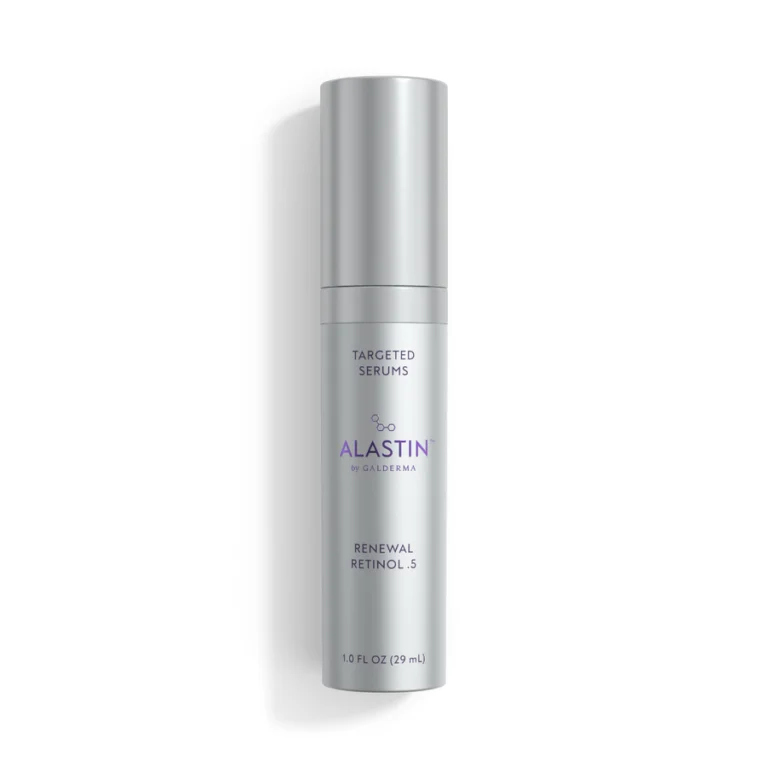
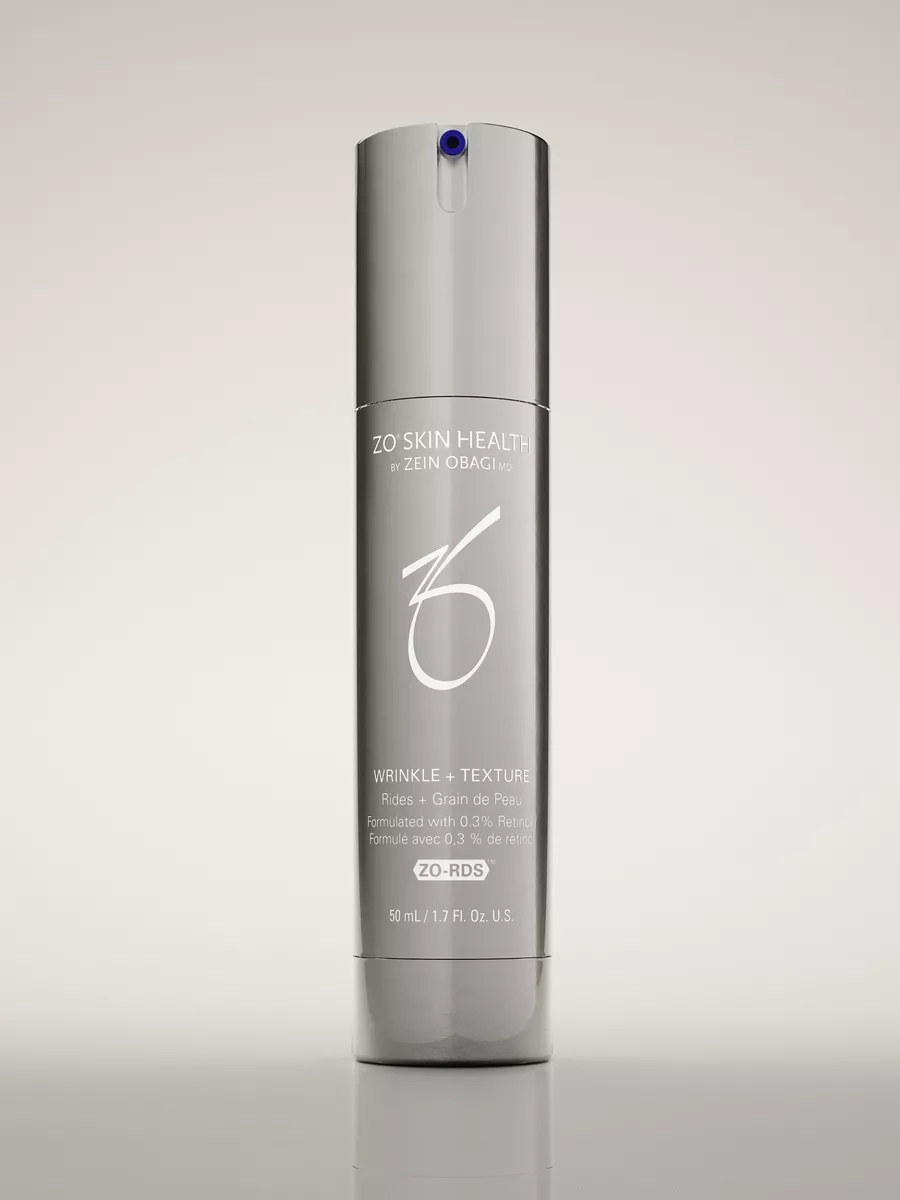
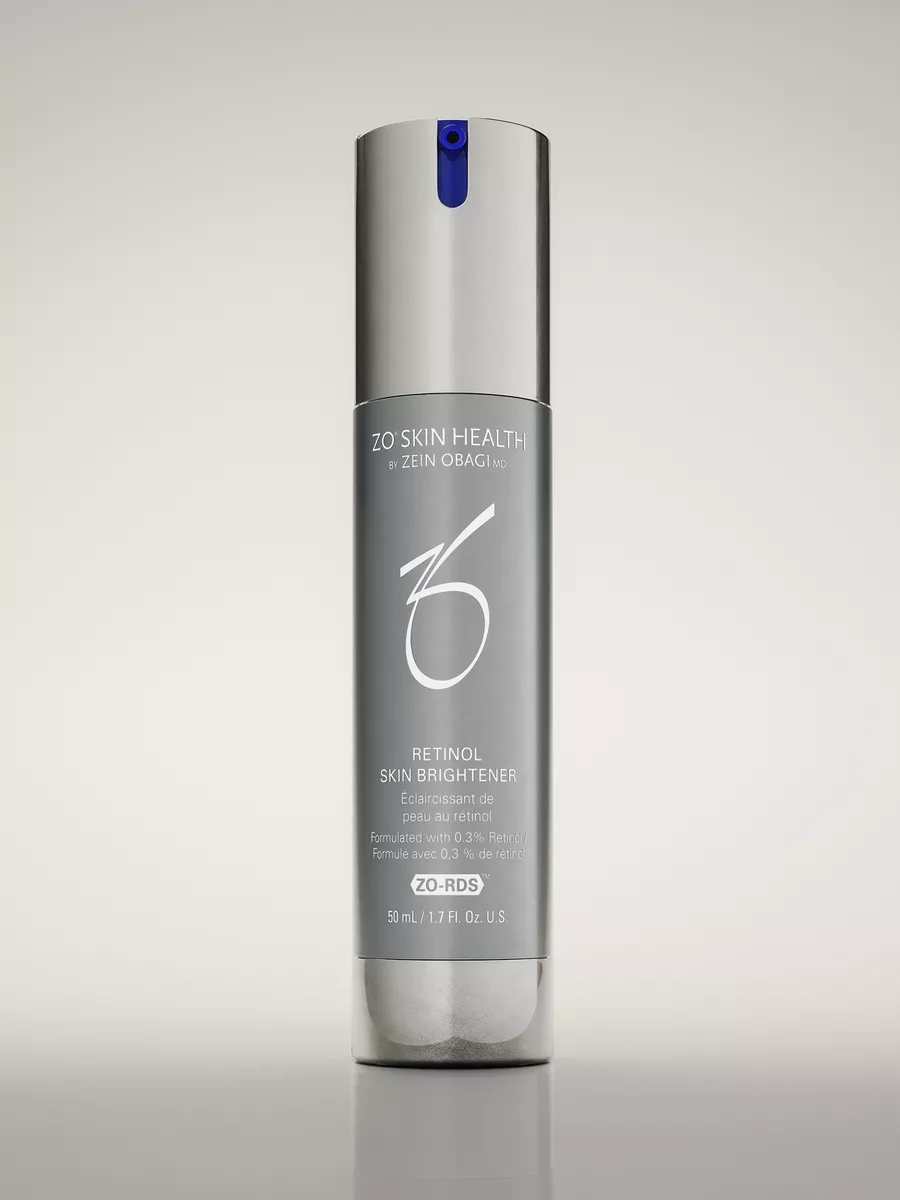
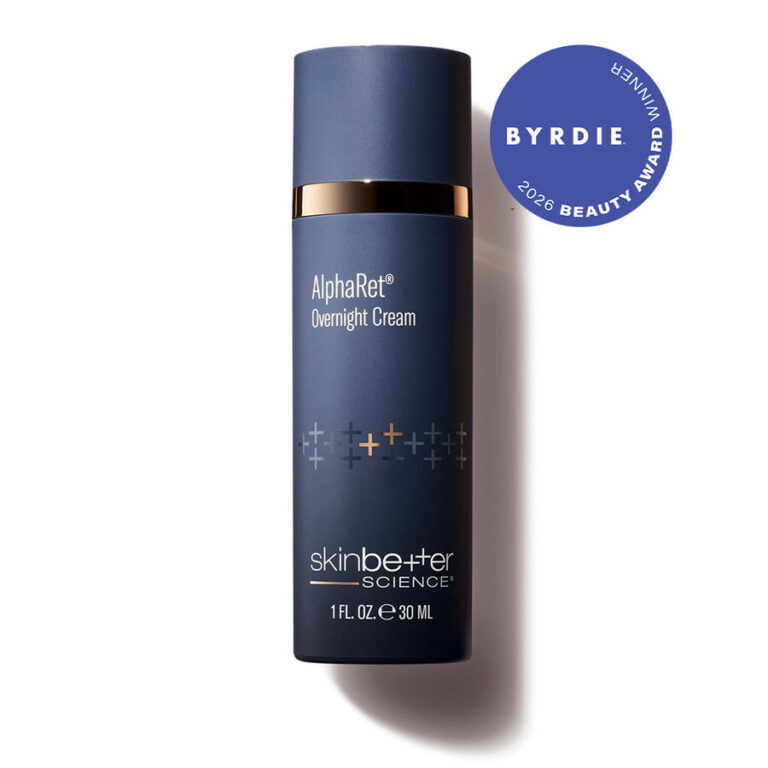 Retinol irritated you before
SkinBetter AlphaRet Overnight Cream
A retinoid joined with lactic acid, made for comfort.
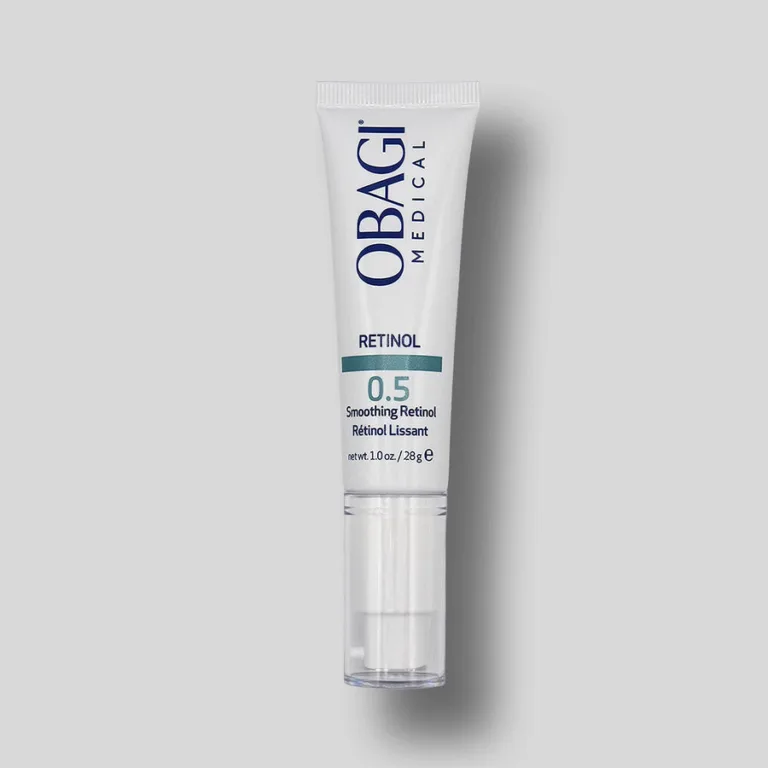
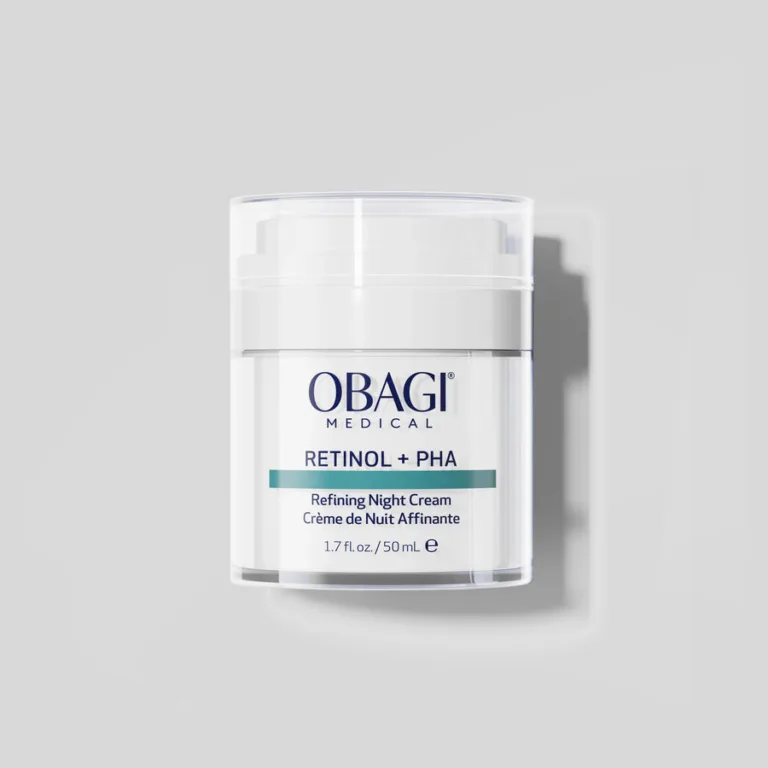 Texture and blemishes
Obagi Retinol + PHA Refining Night Cream
Retinol paired with a gentle exfoliating acid.
Melasma, rosacea, pregnancy or a procedure coming up? See us first, before any retinol. Product photos courtesy of each brand.
How does retinol work in the skin?
Retinol is a form of vitamin A that encourages the skin to renew itself, so over time the surface looks smoother, more even and clearer.
Which beginner retinols do we carry, from gentlest to strongest?
Every brand has a clear first step and a clear next one. Climb one rung at a time.
The retinol strength ladder
Gentlest at the top of each card, strongest at the bottom. Climb one rung at a time.
ZO Skin Health
Wrinkle + Texture 0.3% for lines, or Retinol Skin Brightener 0.3% for tone
Retinol Skin Brightener 1%, for skin that already tolerates retinol well
SkinBetter Science
AlphaRet Overnight Cream, a retinoid joined with lactic acid
Intensive AlphaRet Overnight Cream, with the highest glycolic acid level in the line
Obagi Medical
Obagi360 Retinol 0.5, slow-release retinol in a cream
Retinol + PHA Refining Night Cream for texture and blemishes
1.0 Smoothing Retinol, the stronger of Obagi’s two
Alastin Skincare
Renewal Retinol 0.25, until it is comfortable nightly
Renewal Retinol 0.5, for skin already used to retinol
“Most people who tell me retinol does not agree with their skin started too strong or used it too often. A gentle formula used steadily will take you further than a strong one you keep stopping.”
Dr. Shervin Naderi
How do I start a retinol without irritating my skin?
Start slowly on clean, dry skin and follow your product’s own directions, because they differ more than people expect.
Three habits for any retinol
See each brand’s first-month plan
Your first month, in each brand’s own words
How each brand tells new users to begin. Move to the next column only when your skin is comfortable.
(Wrinkle + Texture, Retinol Skin Brightener)
“Retinol and sunscreen belong together. If someone is not ready to wear sunscreen every morning, I would rather they wait on the retinol.”
Dr. Shervin Naderi
What is normal in the first weeks, and when should I call?
Light dryness and flaking at the start are common and temporary. Burning or redness that keeps building is not.
Normal at first
- A little dryness
- Light flaking
- Some tightness or pinkness
- A short spell of small bumps or clogged-looking pores
Stop and call us
- Burning
- Swelling
- Raw patches
- Redness that keeps building
How long does retinol take to work?
Retinol works gradually. Expect a few weeks of adjustment, with visible change building over about three months.
What order do I apply retinol in at night?
Retinol goes on after cleansing and any gentle serum, and before moisturizer.
Your evening routine, in order
Five short steps, a few minutes in all.
- CleanseA gentle cleanser such as ZO Gentle Cleanser or Alastin Gentle Cleanser. ZO users follow Getting Skin Ready first.
- Let skin dry fullyEvery brand here asks for clean, dry skin before the retinol goes on.
- Serum, if you use oneA calm, non-exfoliating serum. Skip acids and scrubs on retinol nights.
- RetinolOne pump or a pearl-sized amount for the whole face. Keep it away from the eye area.
- Moisturizer, if neededDry skin does well with a cream on top, such as ZO Hydrating Crème or Obagi Hydrate Luxe.
Broad-spectrum sunscreen, SPF 30 or higher, every day you use a retinol. See our medical-grade sunscreens.
What should I pair with a retinol, and what should I avoid?
A retinol needs only three partners: a gentle cleanser, a moisturizer and a daily sunscreen.
Pair with
- A gentle cleanser
- A moisturizer, especially for dry skin
- Sunscreen every morning, such as Alastin SilkSHIELD SPF 30 or ZO Daily Sheer SPF 50
- Optional: a morning vitamin C or antioxidant serum
Skip at first
- Two retinoids on the same night
- Exfoliating pads or scrubs on retinol nights
- Retinol on irritated or broken skin
- Mixing or diluting it without asking us
When should I move up a strength?
Move up only when your current retinol feels uneventful on its full schedule: no stinging, flaking or redness.
“I tell patients to step up only when their current retinol feels completely uneventful at night. If it still stings or flakes, the skin is asking for more time.”
Dr. Shervin Naderi
Who should wait before starting a retinol?
Ask us first if any of these apply to you:
We can suggest gentler products in the meantime, and our acne and melasma care can include prescription options after a consultation.
Where can I get retinol advice near McLean, Bethesda or Washington DC?
Dr. Naderi sees patients at two offices. Bring the retinol you use now, or the one that irritated you.
Request an appointment at either office. Many patients pair a skincare visit with a HydraFacial.
Frequently asked questions
How much do beginner medical-grade retinols cost?
At each brand’s list price as shown on our product pages in fall 2026, Obagi360 Retinol 0.5 is $80, Alastin Renewal Retinol is $81, SkinBetter AlphaRet Overnight Cream is $145, and ZO Wrinkle + Texture 0.3% and Retinol Skin Brightener 0.3% are $170 each. Each brand sets its own price, so the price at checkout is the current one. Alastin estimates a bottle of Renewal Retinol lasts about 4.5 months at one pump every evening.
What makes a medical-grade retinol different?
Mostly the delivery. ZO wraps its retinol in a liposomal system it calls ZO-RDS for controlled release. Obagi uses an entrapped, slow-release retinol, Alastin a lipid-encapsulated one, and SkinBetter joins its retinoid to lactic acid. Each aims to get the retinol where it needs to go while keeping early redness and flaking down. Because each brand uses its own system, the percentage on one bottle cannot be compared directly with another.
What does a retinoid do for the skin?
A retinoid is a form of vitamin A that encourages the skin to renew itself, so over time the surface looks smoother, more even and clearer. Retinol is the retinoid you can buy without a prescription. ZO says its retinols promote skin cell renewal and help improve the look of wrinkles, texture and discoloration, and Alastin says Renewal Retinol smooths texture, evens the look of tone and reduces the look of fine lines.
How often should a beginner use retinol?
Our general rule is a lower strength two or three nights a week, building up as your skin adjusts. Each brand has its own plan: Alastin starts Renewal Retinol 0.25 two to three evenings a week, ZO’s 0.5% and 1% start twice a week for new users, ZO’s 0.3% formulas start once a day for the first week and then twice a day, SkinBetter says AlphaRet can be used nightly, and Obagi360 Retinol 0.5 is once daily in the evening, every other night if irritated. Obagi’s Retinol + PHA is applied in the evening; ask us how often to start.
How do I choose a starting strength?
Start at the bottom of whichever line you choose, even if your skin rarely reacts. Alastin says people new to retinol should begin with 0.25 until it is tolerated nightly, while those already using retinol can generally use 0.5. Obagi’s 0.5 is the usual first step in its line, and ZO positions its 0.3% formulas as the place to begin.
What is retinization, and is it normal?
Retinization is the adjustment period when skin first meets a retinoid: a little dryness, light flaking, some tightness or pinkness, usually in the first weeks. Obagi describes it as temporary, and SkinBetter adds that some people notice a short spell of congestion that generally settles with continued use. Burning, swelling, raw patches or redness that keeps building is not normal: stop, go back to a bland cleanser and moisturizer, and call us. ZO says not to apply its retinols to irritated or compromised skin.
Should I buffer retinol with moisturizer?
Buffering, meaning a layer of moisturizer to cushion a retinol, can help dry or easily irritated skin. SkinBetter notes that drier skin may want a separate moisturizer after its Intensive AlphaRet, while oily or combination skin may not need one. Please ask us before mixing a retinol into another product or diluting it, since that changes how the formula behaves.
Can I use retinol with acids or exfoliants?
Not on the same night at first. Two retinoids, or a retinol plus strong exfoliating pads or scrubs, tends to bring irritation without better results. SkinBetter warns that using more than one exfoliating product may cause irritation, which matters because AlphaRet, Intensive AlphaRet and Obagi’s Retinol + PHA each already contain an acid. SkinBetter also notes that AlphaRet’s acid can increase sun sensitivity, so it asks you to limit sun exposure while using it and for a week afterward.
How do I know when to move up a strength?
When your current retinol feels uneventful on its full schedule. ZO notes that most people move to the 0.5% Retinol Skin Brightener after getting used to 0.3%, and reserves the 1% for skin that already tolerates retinol well. With Obagi, once 0.5 is comfortable nightly, ask us whether 1.0 makes sense. SkinBetter’s step up is Intensive AlphaRet, which has the highest glycolic acid level in the line and starts every other night for 1 to 2 weeks if you are new to retinoids or acids.
How long does a retinol take to work?
Retinol works gradually. ZO says that in its clinical study of Wrinkle + Texture 0.3%, users saw an improvement in overall appearance in 4 weeks, noticeably better texture by 8 weeks, and more hydration with softer-looking lines by 12 weeks. Individual results vary, and steady use matters more than strength.
Should I use retinol in the morning or at night?
Most of these are evening products: SkinBetter, Obagi and Alastin all direct you to apply them at night, and ZO lists Wrinkle + Texture 0.5% as a PM product. ZO says its 0.3% retinols can be applied morning and/or evening. Whenever you apply it, finish every morning with sunscreen of SPF 30 or higher.
Is retinol the same as tretinoin?
No. Retinol is a non-prescription retinoid, and every product here is sold without a prescription. Tretinoin is a prescription retinoid, so it is not sold online; ask us at either office whether it suits your skin.
Can I use retinol while pregnant or breastfeeding?
Please ask us before using any retinoid if you are pregnant, trying to become pregnant or breastfeeding. Every one of our product pages carries that advice, and SkinBetter tells anyone pregnant, lactating or planning a pregnancy to consult a physician first.
Can I use retinol before or after a laser, peel or Morpheus8?
Wait if you have laser resurfacing, a chemical peel, microneedling or Morpheus8 coming up or just behind you. Your own aftercare instructions come first, and we will tell you when to pause retinol and when to restart it.
Can I use retinol around my eyes?
Keep face retinols away from the eye area. SkinBetter says to avoid the eye area when applying AlphaRet, and Alastin says to keep Renewal Retinol out of the eyes and rinse with water if contact occurs. For lines around the eyes, browse our eye creams and eye serums or ask us.
Can men use these retinols?
Yes. SkinBetter says AlphaRet can be used by all skin types, and ZO lists its retinols for all skin types. Many of our male patients do well with a short routine: cleanser and retinol at night, sunscreen in the morning. Our men’s skincare page has more.
Medically reviewed by Dr. Shervin Naderi, MD, FACS, double board-certified facial plastic surgeon. Last reviewed November 2026. Product details and directions come from each brand.

Patient Financing
Pay Over Time with Cherry
Monthly payment plans for surgery and treatments, including 0% APR options for qualifying patients. Checking whether you qualify won’t affect your credit score.