Laser skin resurfacing has evolved dramatically over the last decade. Patients today want smoother skin, softer wrinkles, improved acne scars, brighter pigmentation, and healthier collagen, yet they still want less downtime, safer devices, and healing that is more predictable. That’s exactly why UltraClear® laser resurfacing has turned into one of the fastest-growing skin rejuvenation treatments in aesthetic medicine.
At The Naderi Center, patients from all over Virginia, Washington D.C., Maryland, and even farther come in seeking advanced laser resurfacing treatments because the center has a reputation for very tailored facial aesthetics and skin rejuvenation. In practice, they blend modern laser technology with very specific recovery protocols that help the skin heal well and support long-term outcomes.
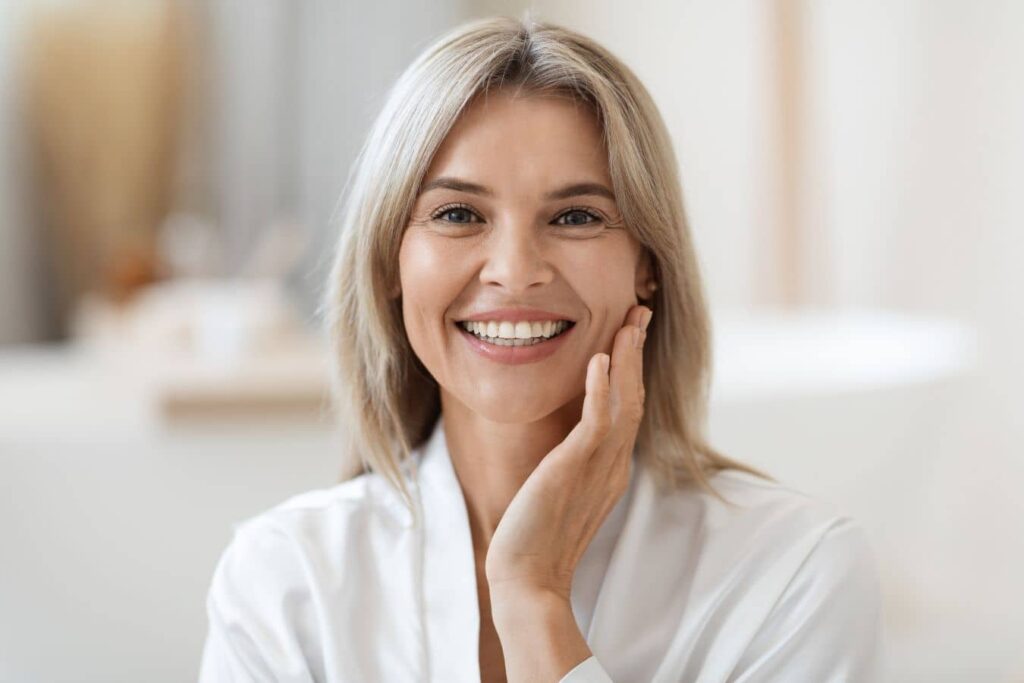
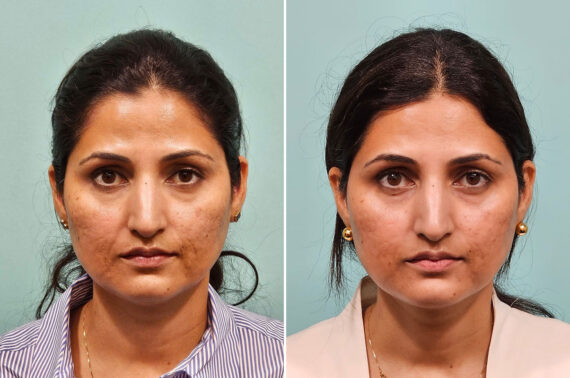
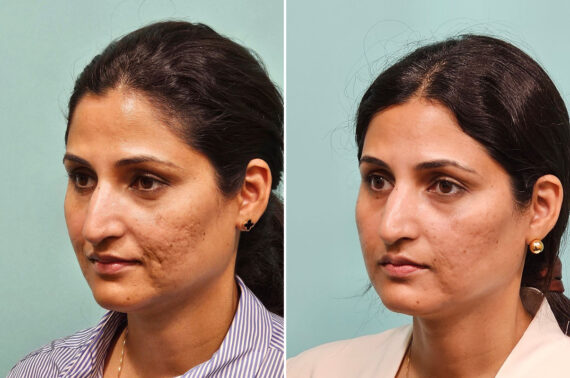
Before and After UltraClear Treatment
- UltraClear® laser resurfacing helps with skin texture, wrinkles, acne scarring, pigmentation, and collagen, it does this with less downtime than a lot of the usual resurfacing lasers.
- Recovery usually brings redness, dryness, peeling, and that temporary sensitivity thing for the first several days after the treatment, so planning around it is important.
- Good aftercare, strong sun protection, good hydration and gentle skincare are crucial because they support smoother healing and better longer-term results, overall.
- Dr. Shervin Naderi really underscores a customized plan, meaning tailored treatment planning and recovery protocols, to boost safety and also the final outcomes.
- Collagen remodeling keeps working for several months following UltraClear® treatment, so improvements in firmness and overall skin quality keep showing up, gradually over time.
Why Patients Choose UltraClear
UltraClear® is a next-generation cold ablative fiber laser designed to improve:
- skin texture
- fine lines
- wrinkles
- acne scars
- enlarged pores
- pigmentation
As well as overall skin tone, with significantly less thermal damage than traditional resurfacing lasers.
“Modern laser resurfacing is no longer about making patients suffer through weeks of downtime,” explains Dr. Shervin Naderi. “The goal is to create meaningful collagen remodeling while preserving healthy surrounding tissue so recovery is faster, safer, and more comfortable.”
One reason UltraClear® has been getting a lot of attention is that it can be adapted for different skin types, ages, and overall treatment goals. Some patients are looking for that lighter refresh kind of outcome, with minimal downtime, and others really want the deeper resurfacing route for acne scarring, wrinkles, or even notable sun damage. If acne scars are your main concern, our guide to acne scar laser treatment explains which treatment fits each scar type. UltraClear® gives providers the ability to customize the depth as well as the intensity, depending on what the person actually needs.
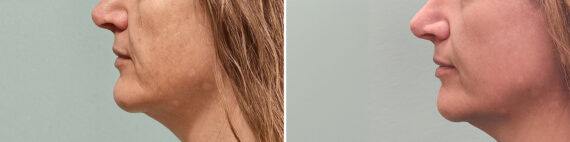
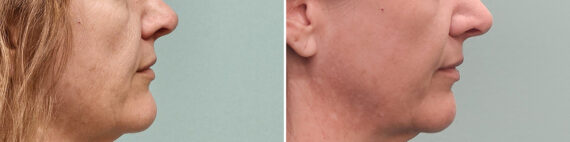
Personalized Treatment Planning
At The Naderi Center, every UltraClear® treatment begins with a detailed consultation evaluating:
- skin thickness
- pigmentation risk
- scarring
- collagen quality
- healing tendencies
- overall facial balance
“The consultation matters just as much as the laser itself,” says Dr. Shervin Naderi. “Understanding skin biology, healing behavior, and long-term aesthetic goals allows us to customize treatments safely and intelligently.”
Preparing for UltraClear Laser Treatment
Before treatment, patients receive detailed pre-treatment instructions to optimize healing and reduce complications. The UltraClear® recovery protocol used at The Naderi Center emphasizes sun protection, medication management, hydration, gentle skincare, and inflammation control.
Patients are instructed to avoid prior to treatment:
- waxing,
- electrolysis
- retinoids
- exfoliating acids
- benzoyl peroxide
- irritating products
Medication and Antiviral Guidelines
Patients are also told to avoid aspirin-containing meds both before and after treatment unless their doctor approves, because these substances can raise bruising levels and bleeding risk.
Another critical component of preparation involves antiviral medication. Since ablative laser resurfacing temporarily weakens the skin barrier, some patients might be given antiviral prophylaxis in advance to lower the chance of herpes simplex virus flare-ups.
“Preparation is part of the procedure,” explains Dr. Shervin Naderi. “Patients who follow pre-treatment and post-treatment instructions carefully almost always heal more smoothly and achieve better long-term results.”
What to Expect Immediately After Treatment
Immediately after UltraClear® laser treatment, patients can expect redness, warmth, swelling, and a sunburn-like sensation. More aggressive settings may also produce pinpoint bleeding, bronzing, or temporary oozing. These reactions are normal components of the resurfacing process.
The First 24 to 48 Hours
The first 24 to 48 hours are the most intense phase of recovery. During this period, the skin barrier is temporarily compromised, making hydration and protection extremely important. Patients are advised to use healing ointments, gentle cleansers, sterile saline rinses, and physician-approved moisturizers.
At The Naderi Center, many patients use carefully selected recovery products designed to minimize irritation while supporting rapid barrier repair.
Managing Swelling and Discomfort
During the first several nights after treatment, patients are encouraged to sleep with their head elevated to reduce swelling. Cold compresses may also help minimize discomfort and inflammation.
“The healing phase is when collagen stimulation truly begins,” says Dr. Shervin Naderi. “Even though patients initially focus on redness or peeling, deeper remodeling is already occurring underneath the surface.”
The Peeling and Flaking Phase
Around days two through five, many patients begin experiencing dryness, flaking, bronzing, and a rough sandpaper-like texture as damaged skin cells shed naturally. Some patients describe this stage as looking like “coffee grounds” on the skin surface.
One of the most important recovery rules is avoiding picking, rubbing, or aggressively exfoliating the skin during healing. Premature manipulation can increase inflammation, prolong redness, and potentially increase pigmentation risks.
Experience Advanced Laser Rejuvenation at The Naderi Center
Discover how personalized planning and physician oversight contribute to refined natural-looking results.
Sun Protection After Laser Resurfacing
After laser resurfacing, sun protection becomes critically important because the skin that’s just been treated is really sensitive to ultraviolet damage. Most patients are told to go with broad-spectrum SPF 50 or beyond once the skin has healed enough. Hats with a wide brim help a lot, plus avoiding the sun is also strongly recommended.
Returning to Daily Activities
Patients are often surprised by how quickly they can resume normal activities after lighter UltraClear® treatments. Many patients feel socially comfortable within several days, while deeper resurfacing treatments may require approximately seven to ten days of downtime depending on treatment intensity.
Exercise restrictions also matter when you’re recovering. Sweating, lots of heat exposure, saunas, and hard workouts can make inflammation and irritation worse in the first days. Most protocols recommend avoiding intense exercise for several days after treatment.
“Patients often underestimate how much inflammation impacts healing,” notes Dr. Shervin Naderi. “Reducing unnecessary heat, friction, and irritation helps the skin recover more predictably and beautifully.”
How UltraClear Stimulates Collagen
A major reason patients seek UltraClear® treatment is collagen stimulation. While surface healing occurs within days to weeks, collagen remodeling continues for months beneath the skin. This gradual remodeling process improves fine lines, acne scars, pore size, skin firmness, and texture over time.
Many patients begin noticing visible improvements within the first few weeks, but the most significant collagen changes often continue evolving for three to six months after treatment.
UltraClear for Acne Scars and Skin Texture
UltraClear® has become especially popular among acne scar patients because it offers meaningful resurfacing with faster recovery than some older ablative technologies. Patients frequently report improvements in texture, smoother scars, and relatively manageable downtime.
Combining the UltraClear Procedure With Other Treatments
At The Naderi Center, combination treatment plans are often created to maximize outcomes. Depending on patient goals, UltraClear® may be paired with treatments such as:
- microneedling
- Morpheus8®
- IPL photofacials
- skincare programs
- injectable treatments
They will help to address multiple layers of facial aging simultaneously.
“The best skin rejuvenation plans are comprehensive,” says Dr. Shervin Naderi. “Texture, pigmentation, collagen, laxity, and facial balance all interact together. Combining therapies strategically often creates more natural and complete results.”
Maintaining Long-Term Results
One important part of laser resurfacing that patients often don’t think about all the way is maintenance. Even if UltraClear® can bring a substantial improvement, the clock still keeps moving; aging, sun exposure, collagen loss and even other environmental harm just continue over time. A lot of patients do well with maintenance laser sessions, paired with steady skincare routines and proper sun protection.
The Role of Medical-Grade Skincare
Physician-grade skincare also plays a major role in prolonging laser results. At The Naderi Center, patients often incorporate medical-grade skincare regimens that include antioxidants, growth factors, peptides, pigment control products, and retinoids after the skin fully heals.
Special Considerations for Pigmentation and Sensitive Skin
Patients with melasma, rosacea, or post-inflammatory hyperpigmentation require especially careful treatment planning. Laser resurfacing can dramatically improve certain skin concerns when performed appropriately, but aggressive treatment in poorly selected patients can worsen pigmentation issues. This is why provider expertise matters tremendously.
The Naderi Center Approach to Laser Resurfacing
The growing popularity of UltraClear® shows a wider shift in aesthetic medicine toward ways that keep the results strong, but also help recovery stay smoother. These days, patients are more likely to ask for visible improvements without having to completely vanish from work or social life for weeks on end. UltraClear® seems to bridge that gap, because it provides a customizable resurfacing approach with downtime that’s still pretty manageable.
At The Naderi Center, UltraClear® laser resurfacing is treated not exactly as just a cosmetic step, but more like a long-term collagen and skin health investment. There is detailed treatment planning, with personalized settings, and advanced recovery protocols, plus physician oversight, and it all adds up to safer healing and results that look more refined.
Choosing an Experienced Laser Resurfacing Provider
If you are looking at laser resurfacing around Virginia, Washington D.C. or Maryland, picking a seasoned facial aesthetics practice can really shift things, in the way you heal and how the end result looks. Proper patient selection, conservative customization, and meticulous aftercare remain essential components of successful laser rejuvenation.
“Beautiful laser results come from precision,” concludes Dr. Shervin Naderi. “Technology matters, but judgment, customization, and recovery management are what truly separate exceptional outcomes from average ones.”
Schedule your appointment here.