Botox® Dysport® and dermal fillers stand as the most common cosmetic treatments because people prefer their quick results and brief recovery times and their authentic appearance after expert injectors complete the procedure. Patients at The Naderi Center for Plastic Surgery & Dermatology frequently ask about methods to enhance their recovery process and minimize swelling, as well as extend their treatment results. This simplified guide helps you achieve treatment readiness because it provides essential information that builds your confidence before and after your medical procedure.

Aftercare Following Your Injectable Procedure
- Proper preparation and aftercare activities both work to decrease the levels of swelling and bruising which leads to less time needed for recovery from Botox and filler treatments.
- The process of healing becomes easier when patients maintain hydration levels while avoiding specific medications and they adhere to the guidelines that follow their treatment.
- The body experiences normal early-stage reactions which include mild swelling and bruising together with unevenness, but these symptoms will typically diminish within the first two-week period.
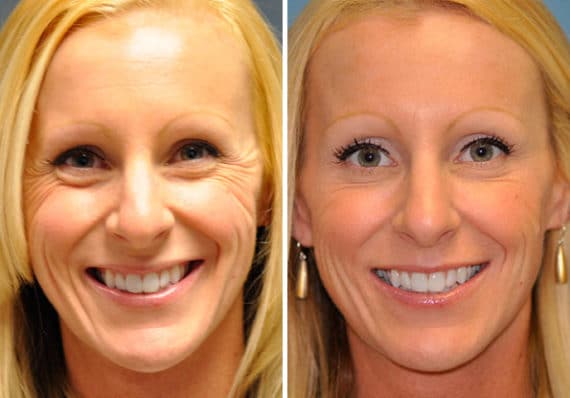
- The effects of Botox and Dysport treatments appear gradually, and their complete results will become visible approximately two weeks after the procedure.
- Dr. Shervin Naderi at The Naderi Center for Plastic Surgery and Dermatology demonstrates that optimal treatment results depend on both exact injection methods and recovery procedures.
Why Recovery Habits Matter for Injectable Results
Dr. Shervin Naderi often says, “Great injectable results don’t happen by accident—they happen through precision injection technique and thoughtful recovery habits.” With just a few smart steps, patients can greatly enhance their comfort and outcomes.
Preparing for Botox and Fillers Before Your Appointment
Two weeks before treatment, it helps to avoid foods and medications that increase bleeding, such as nuts, seeds, fish oil, NSAIDs, and certain supplements. While not dangerous, these can contribute to bruising. Many patients are surprised how much smoother their recovery is when they pay attention to these little details ahead of time.
Arnica and Supplements for Healing Support
Patients who are prone to bruising often choose to start Arnica supplements a few days before their treatment. While optional, Arnica can help fade post-injection bruises more quickly. Dr. Naderi explains, “Bruising is normal and expected, but Arnica can help speed the process along for many patients.”
Blood Thinners and Medical Safety
Patients who take prescription blood thinners should consult their primary physician about any plans to discontinue or modify their medication. Your medical safety should take priority over all cosmetic procedures. Patients must keep using their life-saving or medically required medication because its benefits exceed the potential for increased bruising.
Your injector will suggest antiviral medication for you to take before your lip or lower-face filler treatment if you have a tendency to develop cold sores. This is designed to prevent an outbreak that would result from receiving the injections.

What to Do on the Day of Your Appointment
Small preparations on the day of your appointment can make a noticeable difference in comfort and overall experience.
Eating and Hydration Before Treatment
On the day of your treatment, eating and hydrating ahead of time is important. A stable blood sugar level helps prevent dizziness or lightheadedness during injections—a surprisingly common occurrence in those who arrive hungry or dehydrated. As Dr. Naderi notes, “A simple snack before treatment can make the entire experience easier and more comfortable.”
Numbing Cream and Makeup Guidance
Patients receiving filler injections should plan to arrive a bit early for topical numbing. The numbing cream takes about 20–30 minutes to work fully and makes treatment significantly more comfortable. Minimal makeup is recommended, especially around areas being treated, but you can reapply makeup immediately afterward if needed.
What to Expect Right After Injections
Your body will experience normal swelling, redness and pinpoint bleeding immediately after your injections. The use of gentle ice packs which should be soft bags of frozen peas and crushed ice, helps to reduce swelling. The key is gentle pressure only, never heavy ice packs or direct pressure on treated areas.

Heal Faster With Expert Guidance
Our experienced injectors are here to guide you through every stage of healing.
Post-Treatment Care During the First 48 Hours
The way you care for your skin and body during the first 48 hours plays an important role in how smoothly you heal.
Exercise and Physical Activity
Strenuous exercise should be avoided for the first 48 hours. Increased blood flow can worsen swelling or bruising, especially after filler. Light walking is fine, but gym workouts, hot yoga, and long runs are best postponed temporarily.
Avoid Touching or Massaging Treatment Areas
One of the most important rules after facial fillers is that you must not touch or massage the treated areas until your injector gives you permission to do so. Even well-meaning adjustments can lead to product displacement, increased swelling and result in facial unevenness. The patient is allowed to wash their face with gentle methods but must avoid all forms of scrubbing, facials and any type of pressure during the upcoming week.
Using Makeup to Conceal Bruising
Makeup and concealer can be used the same day to camouflage bruising. Full-coverage formulas are especially helpful in the first few days. Lips, tear troughs, and other vascular areas commonly bruise more than others, so this is completely normal.
Eyewear and Nose Fillers
Patients undergoing non-surgical rhinoplasty should avoid glasses that press on the nose bridge. Bringing your glasses to your appointment helps the injector ensure they won’t interfere with recovery. The same goes for tight swim goggles, which can distort filler placement.
Reducing Swelling and Supporting Healing
The consumption of pineapple and its juice provides swelling relief, as it contains bromelain, which functions as a natural anti-inflammatory enzyme. While results vary, many patients find it surprisingly helpful—plus it’s a refreshing recovery treat.
For discomfort, Tylenol is recommended. Patients should not take NSAIDs which include ibuprofen, because these drugs will increase their bruising and swelling effects. After receiving lip filler treatment, patients experience dry lips, which require them to apply Vaseline or Aquaphor for skin moisture retention and reduced sensitivity.
Understanding Results Over Time
It’s crucial not to over-evaluate your face during the first two weeks. Some unevenness or small lumps are common at first due to swelling. As Dr. Naderi explains, “Swelling takes time to settle. What you see at day two is not what you’ll see at week two.”
When Botox and Dysport Begin Working
Botox and Dysport take time to activate. Some patients notice results as early as day three, while others see the full effect around the two-week mark. Muscle activity slowly returns over three to four months, and regular treatments help maintain smoothing while training the muscles to relax.
How Long Fillers Last and What Is Normal During Healing
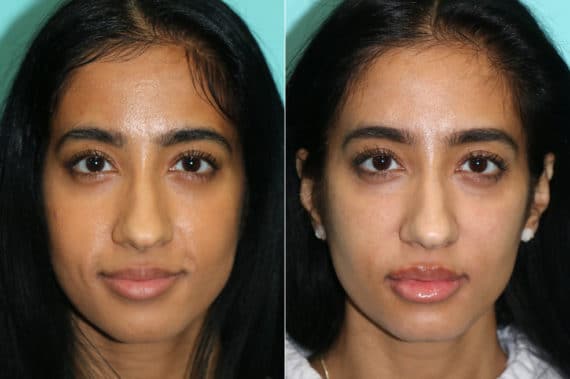
The first stage of the healing process results in small lumps and bumps and a firmer feel after patients receive filler treatment. This is normal and it will take two weeks to experience a decrease in these physical sensations because the product will start to integrate with nearby tissues. First-time patients may notice results fade faster, but outcomes last longer with subsequent treatments as the body builds collagen around the injection sites.
People should keep their main focus on observing their skin condition. The Naderi Center should be contacted immediately when someone experiences unusual symptoms, which include severe pain, skin color changes, fever and an outbreak. The process of early evaluation brings about both fast solutions and peace of mind.
Consult with Cosmetic Injectable Specialists in Chevy Chase and Reston
We invite you to schedule a consultation with an expert injector at Virginia Facial Plastic Surgery. Our expert team provides treatment through our two locations in Chevy Chase, Maryland and Reston, Virginia, while focusing on delivering precise and safe personalized care that helps you trust both your treatment and recovery process with specialists who understand your goals.