Patients with uneven skin tone, acne scars or sun spots often ask us how many chemical peels they will need to clear up their hyperpigmentation. Chemical peels work by exfoliating dead skin cells, improving skin texture, and minimizing discoloration caused by sun damage or acne. Peels range from light to deep, and not every strength is right for every skin type.
The number you need depends on the type and depth of the pigmentation, your skin type and the strength of the peel, and keeping the results depends largely on sun protection. To find out what would work for your skin, call 703-481-0002 to schedule a consultation.
5 Key Points to Remember
- Chemical peels can help reduce stubborn hyperpigmentation and uneven skin tone by removing damaged skin layers.
- The number of treatments needed varies based on your skin condition, the type of peel, and how severe your hyperpigmentation is.
- Light peels can offer gradual improvements and can be done on most patients, while medium peels and deep peels address more severe skin issues like acne scars and deep wrinkles but cannot be performed on all skin colors.
- Proper spacing between treatments and strict sun protection matter as much as the peel itself.
- An experienced provider can tell you which peel suits your skin and how many sessions to plan for.
What Chemical Peels Do for Hyperpigmentation
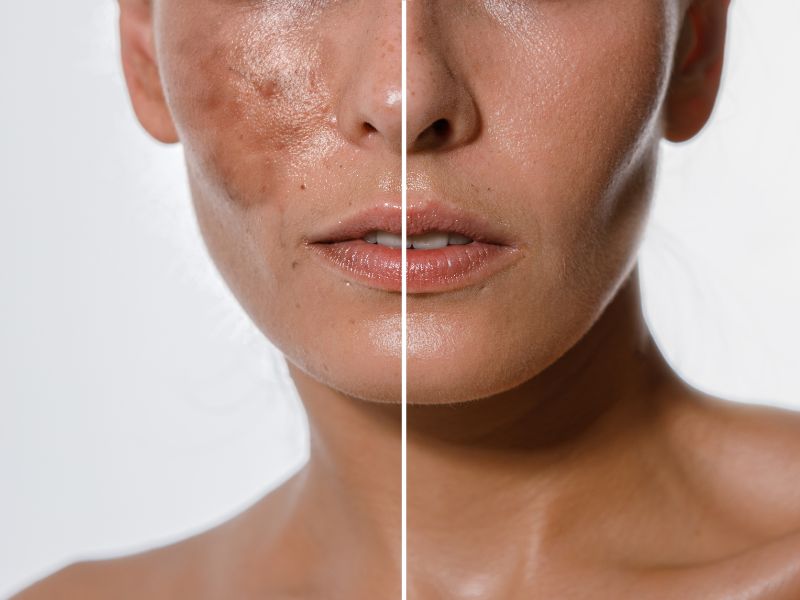
Chemical peels are a type of facial treatment designed to improve various skin concerns, including hyperpigmentation, skin discoloration, dull and coarse skin texture and fine lines. These peels involve applying a chemical solution that exfoliates the top layer of the skin. Once the damaged skin peels away, newer, healthier skin cells emerge to create a more even complexion. By accelerating the turnover of dead skin cells, chemical peels can reduce the appearance of acne scars, wrinkles, sun damage, and other age related skin conditions.
If you’ve noticed dark patches or spots due to factors like sun exposure or acne breakouts, chemical peels can lighten those areas and improve your overall skin tone. The new layer underneath is smoother and fresher. For stubborn hyperpigmentation, peels are often easier to manage than more invasive procedures. However patient selection is key and not all patients are good candidates for the stronger peels.
Factors That Affect the Number of Chemical Peels Needed
Type and Severity of Hyperpigmentation
Hyperpigmentation varies from mild spots that respond well to light chemical peel treatments, to severe cases that may require multiple medium peels or a deep chemical peel. The bigger or darker the patches, the more treatments you might need. For example, mild hyperpigmentation may begin to improve after just one or two sessions, while more significant conditions could require several sessions to achieve optimal results. However you have to be cautious as some conditions like Melasma may get worse with some forms of peels.
Skin Type and Sensitivity
Different skin types react differently to peels. People with highly sensitive skin or conditions like rosacea may experience more irritation or skin sensitivity, requiring gentler mild peels or fewer sessions with a longer healing time. On the other hand, those with thicker or less sensitive skin might benefit from stronger peels done at shorter intervals.
Strength and Type of Chemical Peel
What kind of chemical peel is best for hyperpigmentation? This depends on factors like the severity of your discoloration and your overall skin condition.
- Light Chemical Peels: Use mild acids like alpha hydroxy acids (AHAs) or beta hydroxy acids (BHAs). Suitable for mild to moderate hyperpigmentation or for regular skincare maintenance.
- Medium Peels: Often contain trichloroacetic acid (TCA) in stronger concentrations. Medium peels go deeper than light peels and can address more persistent pigmentation, acne scars, and uneven skin tone.
- Deep Chemical Peels: Use Baker-Gordon solution, Hetter’s solution, or phenol. Ideal for severe skin issues, deep wrinkles, and stubborn discoloration. This peel often requires general anesthesia and a longer recovery period.
Treatment Frequency and Healing Time
Some patients prefer to space out multiple treatments to minimize downtime and skin irritation. Depending on the intensity of the peel, you might need to wait anywhere from several weeks to months between sessions. That gives your skin time to heal. After each peel, protect your skin from the sun and use the recommended skincare products to help maintain your results. Staying out of the sun is absolutely a must otherwise you can create PIH (Post Inflammatory Hyperpigmentation).
At The Naderi Center, we evaluate your complexion first, then recommend the type of peel and the number of treatments based on your skin and the result you want.

Secure Your Safe Treatment Experience with The Naderi Center
Join our satisfied clients who’ve experienced safe, effective treatments.
Book a Consultation
Thinking about treating dark spots? Our physicians see patients at our offices in Reston, VA and Chevy Chase, MD.
Book a ConsultationLearn about treating dark spots
Call Reston (703) 481-0002 or Chevy Chase (301) 222-2020.
Common Types of Chemical Peels for Hyperpigmentation
Superficial Peels and Their Effects
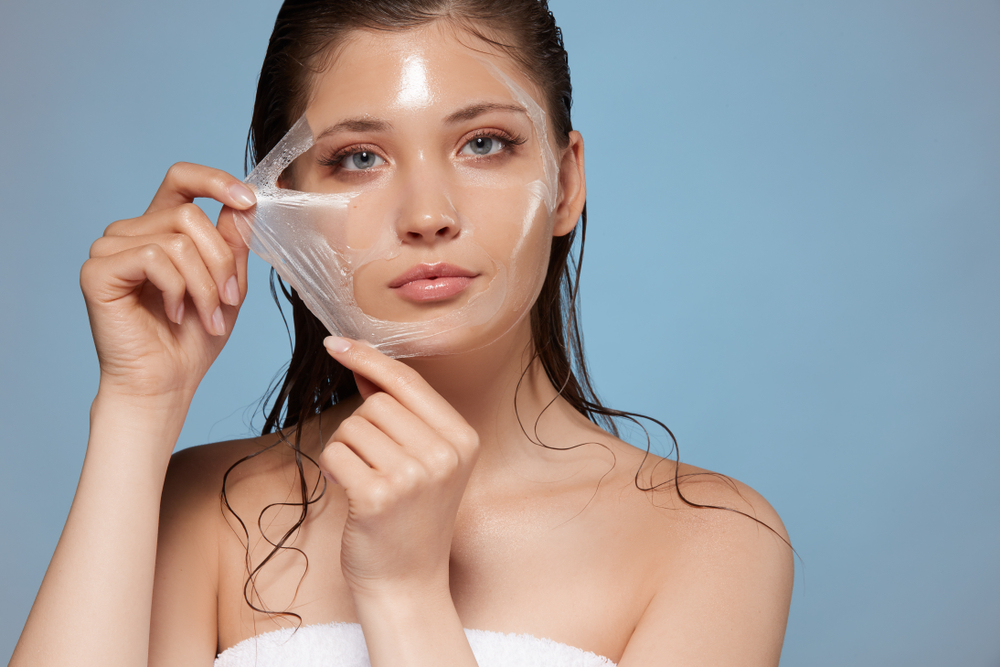
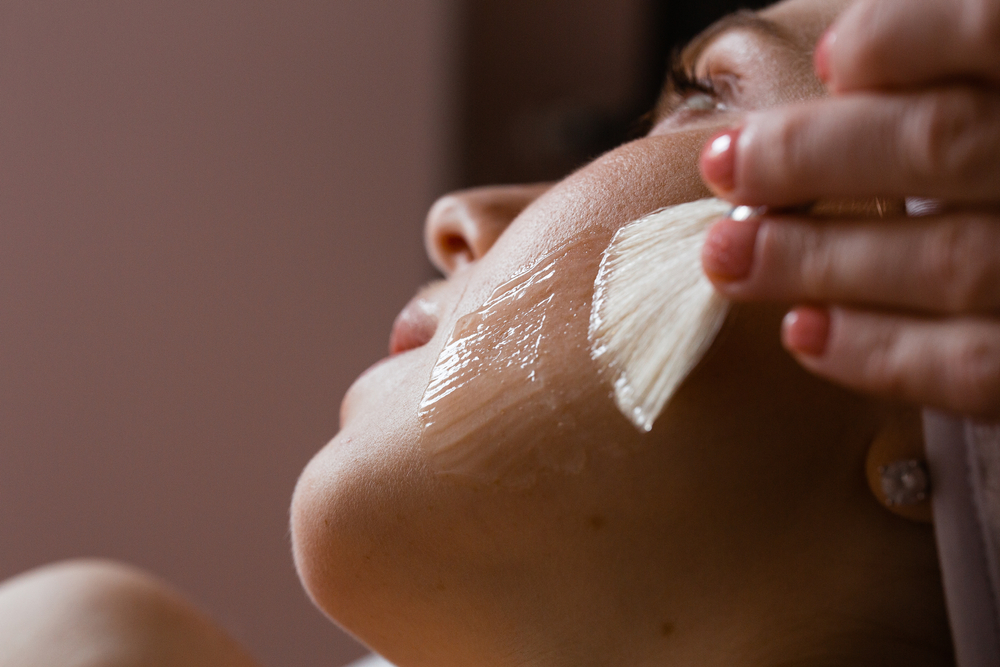
Superficial or light peels typically use mild acids to target the topmost layer of the skin. They work well for minor sun spots, dull texture and mild hyperpigmentation. Because they only affect the outer layer, they offer quicker recovery periods, making them popular for first-time peel clients. You can often see a subtle improvement right after your first light chemical peel, although multiple sessions may be needed for more pronounced changes. VI Peel is one of the best examples of this type of peel.
Medium-Depth Peels for Stubborn Pigmentation
Medium peels penetrate deeper into the skin and are often recommended for tackling tougher cases of hyperpigmentation, such as acne scars, deeper wrinkles, and uneven pigmentation. These peels may cause more visible peeling and require about a week or two of recovery. Patients often find that they need fewer sessions compared to superficial peels, thanks to the stronger exfoliation properties. They can make a noticeable difference in scarring and dark spots.
Deep Peels and When They Are Recommended
Deep chemical peels remove multiple layers of damaged skin. They’re most commonly recommended for people with severe advanced aging skin conditions or deeper scars. Phenol peels, for example, can produce dramatic results for people with advanced signs of aging or severely damaged skin. However, deep peels also carry longer recovery times and more significant risks and complications. General anesthesia is often used, and you’ll need to follow strict aftercare instructions to reduce the risk of complications. Deep peels are usually a one-time treatment or they’re performed very rarely, rather than as a series of many treatments.
How Long Does It Take to See Results From Chemical Peels?
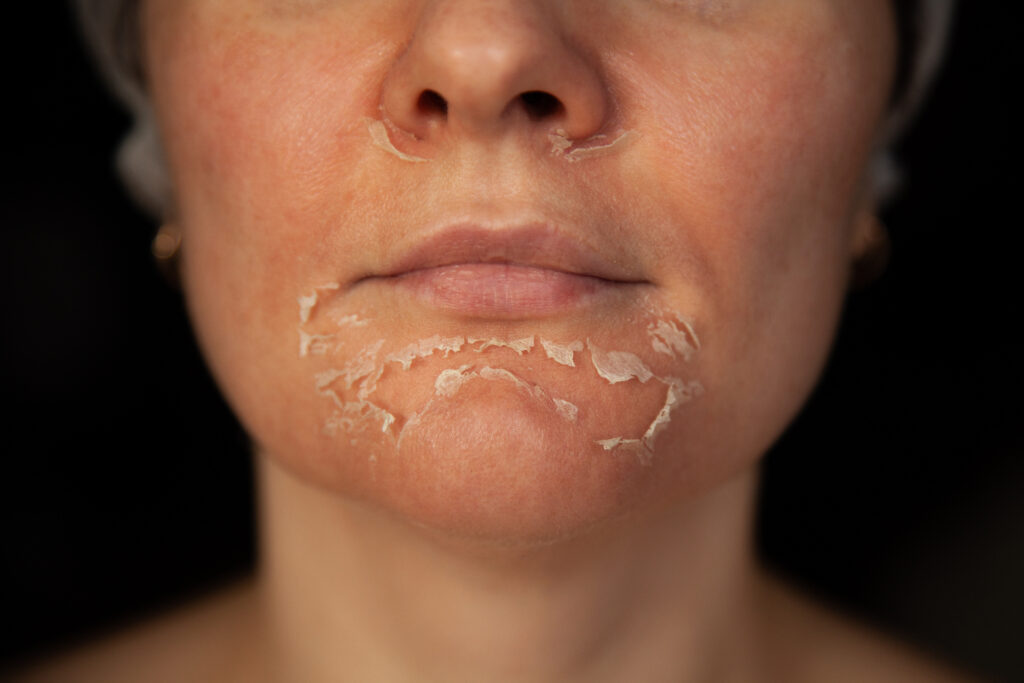
Improvements often become noticeable once the top layer of peeling is complete and the new skin cells have surfaced. In general, light peels produce initial results within a week, while medium peels could take one to two weeks for optimal healing. Deep peels require more extensive downtime, sometimes several weeks to months, before you see the final outcome.
Consistency matters most. Patients who stick to their recommended treatment plan usually get the best results. Over time, your skin can appear brighter, smoother, and more even-toned. Proper aftercare, including sun protection, helps maintain these benefits and prevents new hyperpigmentation.
Who Should and Shouldn’t Get Chemical Peels for Hyperpigmentation?
Chemical peels generally suit people looking to address various skin concerns such as acne scars, sun damage, uneven skin tone, and moderate wrinkles. However, certain skin conditions or severe skin issues might require different approaches. Individuals with active infections, highly sensitive skin, or a history of allergic reactions to peel solutions may not be ideal candidates. If you have severe active acne or are currently using strong skincare products like retinol or prescription medications, you may need to pause use before a peel.
Start with a consultation. At The Naderi Center, we review your medical history, assess your skin and decide with you whether a chemical peel is the right choice. If a peel isn’t the right fit, we may suggest alternatives such as laser treatment, laser hair removal (if excess hair is also a concern), or other facial treatment options. Hispanic, Asian, Middle Eastern, Indian and African patients are not safe candidates for medium to deeper peels.
Tips to Improve and Maintain Results
Your skincare routine after each peel matters. Expect some dryness and flaking as the skin peels. A few things help:
- Hydration: Use gentle, hydrating skincare products to soothe and moisturize newly revealed skin.
- Sun Protection: Once the skin has healed, apply a broad-spectrum sunscreen every day. Avoiding strong sun lowers the risk of new sun spots and helps keep your skin tone even.
- Gentle Care: Refrain from picking at any peeling skin. This prevents scarring and irritation.
- Follow-Up Treatments: Keep up with your treatment plan, whether it’s a series of mild peels or one deep chemical peel, as recommended by your provider.
- Lifestyle Adjustments: Limit smoking and excessive sun exposure, as both can accelerate skin aging and discoloration.
With good at-home care and professional guidance, chemical peels can noticeably even out skin tone and fade stubborn hyperpigmentation. At a consultation, we can work out which peel, and how many sessions, make sense for your skin.
See the Doctor
Questions about what you just read? Ask our doctors in person. Book a consultation in Reston or Chevy Chase, or start with a virtual consultation from home.
Book a ConsultationVirtual consultation
Call Reston (703) 481-0002 or Chevy Chase (301) 222-2020.
FAQs About Chemical Peels and Hyperpigmentation

Patient Financing
Pay Over Time with Cherry
Monthly payment plans for surgery and treatments, including 0% APR options for qualifying patients. Checking whether you qualify won’t affect your credit score.