Short answer: Recovery after a deep plane facelift typically takes 2–3 weeks for most visible swelling and bruising to improve, allowing many patients to return to work and social activities. Results continue to refine over 3–6 months, with final healing and results becoming apparent around one year after surgery.
One of the biggest concerns patients have before facelift surgery is not the operation itself; it is the recovery.
Patients often ask:
- “How much swelling will I have?”
- “When will I look normal again?”
- “When can I return to work?”
- “When can people tell I have had surgery?”
- “When will I see my final result?”

One of the critical factors in planning a facelift is understanding the recovery period. Patients’ role in preparing for and adhering to surgery instructions greatly affects the quality of a surgeon’s work. Patients should expect to rest for a period of time post-surgery for their body to adequately recover.
Dr. Shervin Naderi, a double board-certified facial plastic surgeon with more than 20 years of exclusive experience in aesthetic facial surgery, emphasizes that patience is an essential part of achieving the best possible outcome.
“A facelift is not a procedure where you wake up the next morning and see the final result. The face goes through a gradual healing process. The early swelling is temporary, and the refinement that occurs over the following months is what reveals the natural, rejuvenated outcome.”
Dr. Naderi is a facial plastic surgeon who serves patients in the Greater DC Metro area, including the cities and surrounding communities of Reston, McLean, Great Falls, Vienna, Arlington, Alexandria, Bethesda, Chevy Chase, and Potomac. Dr. Naderi has personally assisted thousands of patients with the post-procedure healing of facial rejuvenation operations.
Modern approaches to deep plane facelifts use techniques designed to address the underlying structure of the face, instead of just tightening skin, in order to achieve natural-looking rejuvenation. Even with advanced technology, healing is a gradual process.
Below is an outline of what patients should expect following deep plane facelift surgery.
Key Takeaways
- Recovery from a facelift can be challenging with tightness, numbness, bruising, and swelling, but all of these will typically improve as the weeks pass.
- A hematoma is one of the more common early facelift complications and requires prompt medical attention.
- The use of cigarettes or some medicines, along with some medical conditions, can impair recovery from surgery and can even make surgery riskier.
- Dr. Naderi always works to fully understand the patients that he sees by listening to their needs and getting a detailed history to help guide him to the right treatment for that person.
- Identifying a problem early on in your facelift recovery and understanding that it won’t give you unrealistic results are key to being successful.
The First 24 Hours After Facelift Surgery: Protecting the Early Healing Process
Immediately after surgery, patients typically experience:
- Facial tightness
- Swelling
- Bruising
- Mild discomfort
- Numbness or altered sensation
- A feeling that the face looks unfamiliar
These early changes are normal.
The face has undergone a significant surgical procedure, and the body immediately begins the healing process.
Patients should expect:
- Resting with the head elevated
- Taking prescribed medications as directed
- Avoiding unnecessary activity
- Keeping incisions clean according to instructions
- Having a responsible adult available for assistance
A lot of people think having a facelift means going through a long and painful process, but that’s really not the case at all. While everyone experiences recovery differently, the majority of patients describe the sensation more as tightness or pressure combined with swelling rather than severe pain.
Dr. Naderi explains:
“The first few days are about protecting the surgical work. Patients who understand that swelling is part of healing tend to have a much smoother recovery experience.”
Days 2–7: The Peak Swelling Period
The first week is usually when swelling and bruising are most noticeable.
Patients may experience:
- Increased facial fullness
- Bruising around the cheeks, neck, or eyes
- Tightness around the jawline
- Temporary asymmetry
- Changes in facial sensation
Early recovery stages should not be confused with the final outcome of the procedure.
A common occurrence in many patients during early recovery is the presence of asymmetrical swelling or the development of an unexpected appearance.
This is normal. The body does not heal perfectly symmetrically day by day. Temporary differences are common as swelling resolves.
During this period, patients should focus on:
- Sleeping with the head elevated
- Following medication instructions
- Maintaining hydration
- Eating nutritious foods
- Avoiding bending, heavy lifting, and strenuous activity
A healthy diet rich in protein, fruits, vegetables, and nutrients can support healing.
Week 1: The First Follow-Up and Early Milestones
Most patients have their first postoperative appointment during the first week.
During this visit, the surgical team evaluates:
- Incision healing
- Swelling
- Bruising
- Fluid accumulation
- Overall progress
Patients often begin feeling more comfortable once they receive reassurance that their recovery is progressing normally.
Some patients return to light daily activities during this period, although social activities are usually limited.
Patients should remember:
Healing is not a race.
Trying to accelerate recovery by exercising too soon or returning to normal activities prematurely can negatively affect results.
Weeks 2–3: Looking More Like Yourself Again
By the second and third weeks after surgery, many patients notice significant improvement.
Typical changes include:
- Bruising substantially decreases
- Swelling begins to settle
- Facial contours become more visible
- Incisions begin to mature
- Confidence improves
Many patients feel comfortable returning to work or social activities around this timeframe, depending on their profession and personal comfort level.
However, subtle swelling may remain, particularly in areas such as:
- The cheeks
- Jawline
- Neck
This is expected.
A patient may look significantly improved at three weeks but still not see the final result.
One Month After Facelift Surgery: Early Results Begin to Appear
Around one month after deep plane facelift surgery, patients often begin appreciating the changes:
- Improved jawline definition
- More youthful cheek position
- Smoother transition between face and neck
- Refreshed appearance
However, the tissues are still healing.
Some patients experience:
- Firmness beneath the skin
- Areas of numbness
- Mild swelling fluctuations
- Temporary tightness
These sensations typically improve gradually.
The face continues to soften and settle over time.
Three Months After Surgery: A More Refined Appearance
At approximately three months, most patients feel significantly more comfortable with their appearance.
Common improvements include:
- More natural facial movement
- Reduced swelling
- Improved softness
- Better definition of facial contours
Friends and family may notice that something looks different, but many patients report that people simply comment that they look rested, healthy, or refreshed.
This is one of the hallmarks of a well-performed facelift.
The goal is not to create an operated appearance.
The goal is restoration.
Facelift Before & After – 3 Months Post-Op
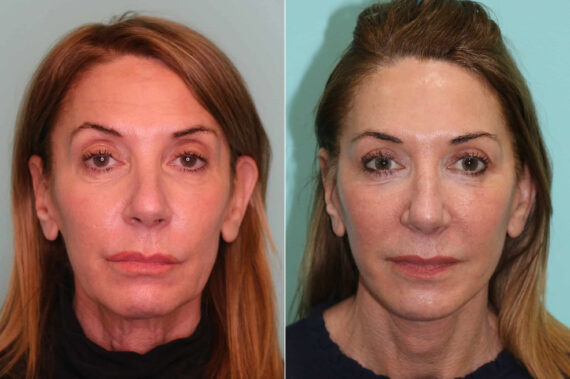
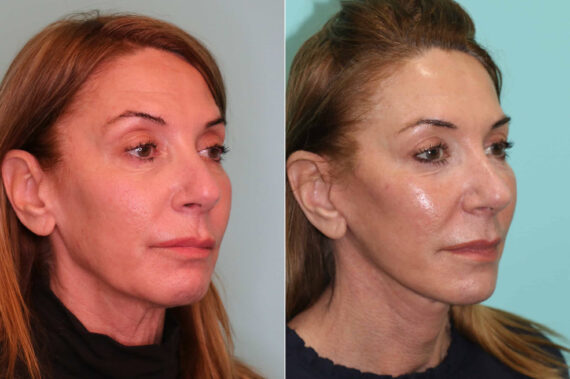
*Results vary from patient to patient
Six Months After Facelift Surgery: Continued Refinement
At six months, much of the major healing has occurred, but refinement continues.
Patients may notice:
- Improved scar maturation
- Continued softening of tissues
- More natural facial movement
- Subtle improvements in contour
Some residual numbness or firmness may continue improving.
Facial tissues continue adapting as healing progresses.
One Year After Deep Plane Facelift Surgery: Final Results
While many patients look significantly improved within several months, the one-year mark is often when the final result becomes most apparent.
By this point:
- Swelling has largely resolved
- Tissues have settled
- Incisions have matured
- Facial contours have stabilized
The final result should reflect a refreshed version of the patient, not a changed identity.
A successful facelift should maintain:
- Natural expressions
- Facial individuality
- Appropriate proportions
- Harmony between facial features
Facelift Before & After
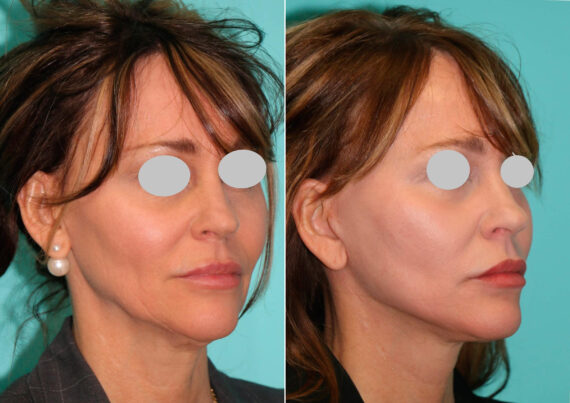
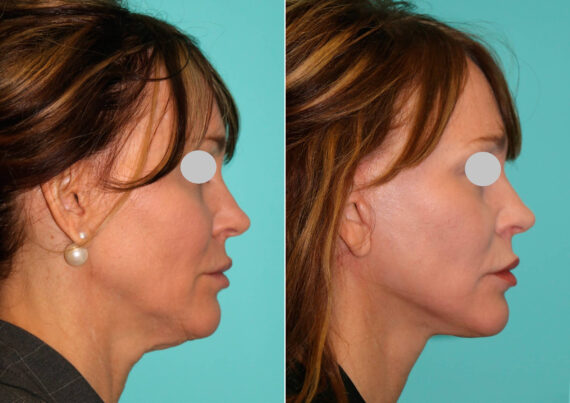
*Results vary from patient to patient

Begin Your Facial Rejuvenation Journey
Schedule a personalized consultation with Dr. Naderi to discuss your goals and recovery expectations.
Factors That Influence Facelift Recovery
Every patient heals differently. Recovery can be affected by:
- Age and Overall Health: Healthy patients often recover more predictably.
- Smoking and Nicotine Exposure: Nicotine can significantly impair circulation and wound healing.
- Nutrition: Adequate protein intake and good nutrition support recovery.
- Surgical Technique: The surgical approach and surgeon’s experience influence the healing process.
- Postoperative Care: Following instructions carefully can make a meaningful difference.
How Patients Can Optimize Their Facelift Recovery
Patients can help support healing by:
- Keeping their head elevated while sleeping
- Avoiding strenuous activity until cleared
- Protecting incisions
- Avoiding smoking and nicotine
- Maintaining hydration
- Eating nutrient-rich foods
- Attending all follow-up appointments
- Being patient with temporary swelling and changes
The best facelift outcomes come from a partnership between surgeon and patient.

The Emotional Side of Facelift Recovery
Many patients underestimate the emotional aspect of healing. During the first few weeks, it is common to experience moments of uncertainty.
Patients may think:
- “Do I look normal?”
- “Is my swelling going to go away?”
- “Did I make the right decision?”
These feelings are often temporary.
The early postoperative appearance is not the final result.
As swelling decreases and tissues settle, patients typically begin seeing the rejuvenated outcome they hoped for.
Recovery Is Part of the Procedure
A facelift is not finished when the surgery ends. There are many aspects to consider as part of the healing process after a facelift.
Choosing an experienced facial plastic surgeon who understands anatomy, technique, and the healing process is critical.
Facelift surgery by Dr. Shervin Naderi is focused on natural results that help patients look refreshed but do not take away a patient’s uniqueness.
“The best facelift results are not the ones where people know you had surgery. They are the ones where people notice that you look healthier, more rested, and more confident.”
For patients considering deep plane facelift surgery throughout Northern Virginia, Maryland, and the Washington, DC metropolitan area, understanding the recovery timeline helps create realistic expectations and a more successful surgical experience. For more information about the surgery, book a consultation with Dr. Naderi.
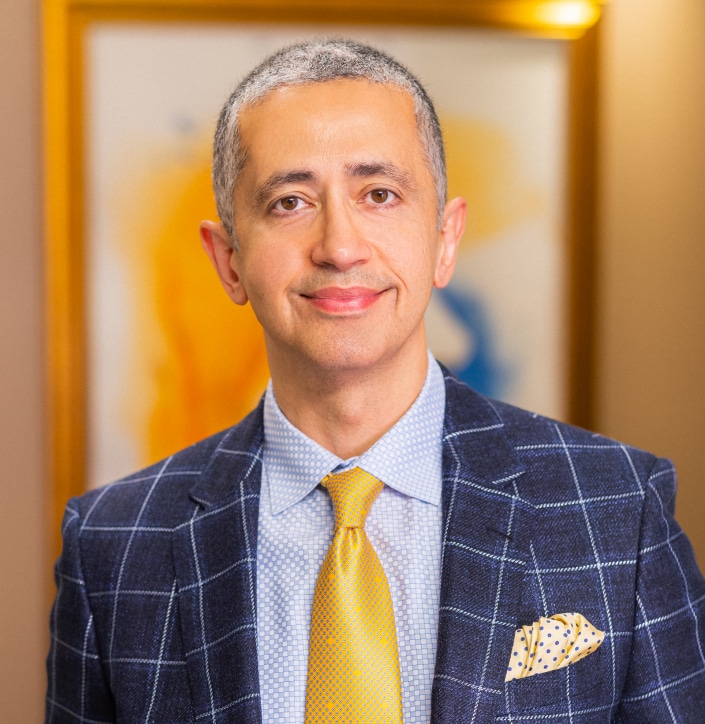
About Dr. Shervin Naderi
Shervin Naderi, MD, FACS, is the founder of The Naderi Center for Plastic Surgery and Dermatology. He completed advanced fellowship training in Facial Plastic and Reconstructive Surgery and has contributed to the field through medical education, textbook publications, and service as an oral board examiner for the American Board of Facial Plastic and Reconstructive Surgery. His background reflects a deep understanding of facial anatomy and a commitment to the highest standards of surgical care.