Looking for a “facelift after 10 years” reality check? Time, lifestyle and surgical technique all shape how a facelift looks ten years on. Some things hold up very well, some change, and a few habits make a real difference in how long a rejuvenated appearance lasts.
Considering a facelift? Learn about our deep plane facelift near Washington, DC.
A well-done facelift should leave you looking refreshed and still like yourself, and with good care it can keep looking that way 10 years later.

What Does a Facelift Look Like After 10 Years?
Most patients still look noticeably younger than if they had never had surgery, even a decade later. A facelift repositions lax tissues and reduces wrinkles and jowling, but it doesn’t stop aging. Gravity and volume loss continue over those 10 years, but the improvement from the lift generally holds.
Results from a modern facelift often last 10 years or more, depending on skin quality, surgical technique and lifestyle. Think of it as turning back the clock: time keeps moving, but you continue to age from a younger point.
What Affects the Longevity of a Facelift Surgery?
There is no fixed number of years. How long a facelift lasts depends on your skin, your habits and how the surgery was done. You can’t change all of these, but you can change several.
Patient-Specific Factors. Your age at surgery affects baseline laxity and healing; younger tissues often hold their position longer. Skin quality and elasticity, which depend on collagen density, past sun exposure and hormonal changes, determine how well the tissues redrape. Genetics set the pace and pattern of facial aging, including where you sag first and how you scar. Together, these set realistic expectations for how your face will look a decade later.
Lifestyle Factors. Daily habits make a real difference. Ultraviolet effects from sun exposure accelerate collagen breakdown and pigment change; smoking constricts blood flow, compromising skin and deeper support. Diet quality, hydration, and weight stability preserve contour; frequent weight fluctuations can blur jawline definition. A disciplined skincare routine (cleansing, antioxidants, retinoids and sunscreen) helps protect against sun and environmental damage. Good sleep, managing stress and drinking in moderation also keep the skin healthier, so the result looks fresh for longer.
Surgical Factors. How the surgery is done matters a great deal. A full facelift addresses broader laxity; a mini facelift gives a subtler, shorter-scar improvement for early jowling; a deep plane facelift repositions the deeper facial layers for a natural result that lasts. Vector planning, management of the SMAS and platysma, and how the neck is addressed all matter. Just as important is the surgeon’s judgment: fitting the lift to your anatomy, balancing skin redraping with structural support, and protecting blood supply. Careful work keeps tension off the skin and preserves volume, and both affect how a result ages.
Post-Operative Factors. Results keep changing long after surgery. Following aftercare instructions closely (incision care, swelling control, easing back into activity) helps healing and scarring. Over the long term, medical-grade skincare, daily sunscreen and non-surgical maintenance such as neuromodulators, collagen stimulators and energy-based treatments can offset some of the aging that continues. Regular follow-ups let small changes be addressed early, so the result still looks good at year ten, not just at day 90.
Book a Consultation
Thinking about a deep plane facelift? Meet Dr. Shervin Naderi, double board-certified facial plastic surgeon, at our offices in Reston, VA and Chevy Chase, MD.
Book a ConsultationLearn about deep plane facelift
Call Reston (703) 481-0002 or Chevy Chase (301) 222-2020.
Will I Need a Secondary Facelift After a Decade?
It really depends. If your initial facelift was performed at a younger age, when tissues were more resilient, or if you maintain a healthy lifestyle and consistent sleep schedule, you may not need a second facelift for many years. Many patients still look refreshed a decade later without needing another surgery.
Aging doesn’t stop, though, and some changes fall outside what a facelift addresses. For example, loose skin under the chin may call for a neck lift, or more subtle fine lines could respond beautifully to Botox. Sometimes, a carefully timed second procedure or combining with other facial rejuvenation procedures offers the best path forward. Dr. Naderi’s approach is to recommend the least invasive option that will meet your goals.
Facelift Patient Results
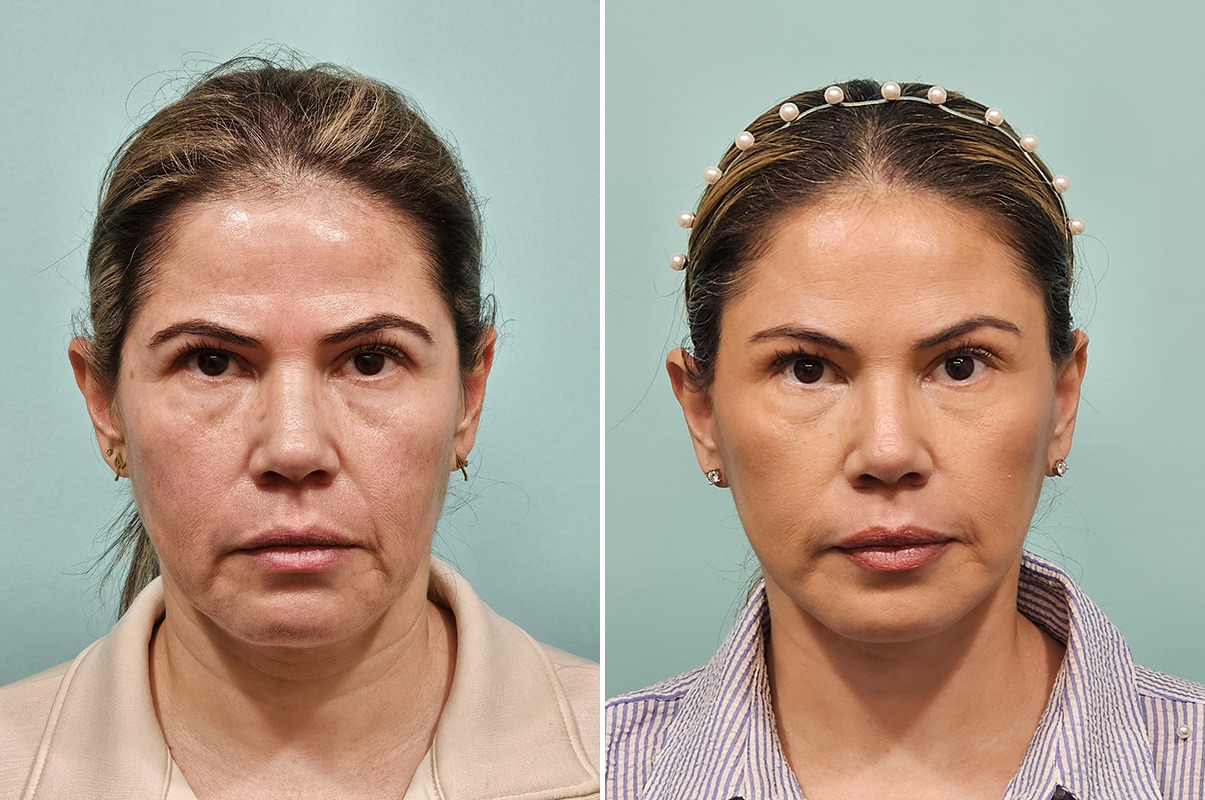
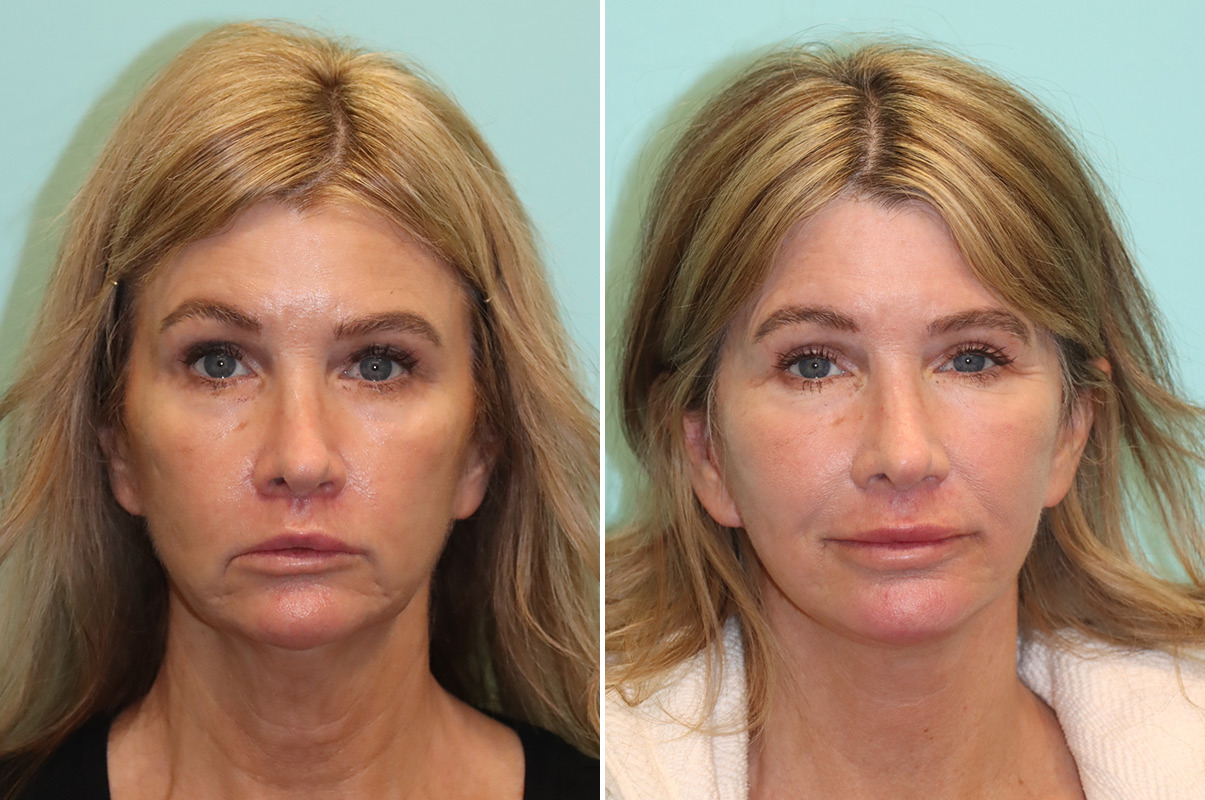
* Each patient is unique and individual results may vary.
What Can I Do to Extend My Facelift Results?
A good surgical result is the starting point. What you do in the years afterward, especially with sun protection, smoking, your weight and your skincare, has a real effect on how long it lasts.
Ensure a smooth recovery time
Longevity starts in the first few weeks. Follow your post-op instructions, rest, and avoid strenuous activity; most facelift patients wait about a month before going back to exercise. Keeping swelling and bruising under control protects the incisions and helps scars fade. A recovery without complications is the best foundation for a result that lasts.
Get sufficient sleep
Sleep is easy to overlook. During deep rest, your body repairs tissue, balances hormones and produces collagen, all of which help maintain facelift results. Poor sleep shows up as dull skin and puffiness. Aim for 7–9 hours a night, both while you heal and in the years after.
Have a healthy diet
What you eat affects your skin and your healing. A diet rich in lean protein, fruits and vegetables, and omega-3 fatty acids supports collagen production and keeps inflammation in check. Limiting sugar and processed foods reduces the oxidative stress that can dull your complexion over time.
Stay hydrated
Drinking enough water each day supports circulation, nutrient delivery and collagen health. Dehydrated skin looks dull, shows fine lines more and loses some of its elasticity, so steady hydration helps your skin hold its texture as the years go by.
Quit smoking
Tobacco use is one of the fastest ways to undermine facelift results. Smoking constricts blood vessels, reducing oxygen and nutrient delivery that are critical for skin healing and long-term vitality. Over time, it accelerates wrinkles, dulls complexion, and weakens collagen support. Quitting before surgery helps you heal, and staying off tobacco afterward helps the result last.
Regular skincare routine
Consistency matters more than any single product. Cleanse gently, then use antioxidants (vitamin C/E), peptides and a nightly retinoid to support collagen and even out tone. Wear SPF 30 or higher every day to protect against UV-driven laxity and discoloration, and exfoliate now and then to smooth texture, gently enough not to irritate healing skin. Medical-grade products chosen with your provider give more predictable results. Skincare won’t replace surgery, but it keeps the skin firm and clear, which helps a lift look naturally youthful rather than tight.
Reduce Alcohol Intake
Alcohol can dehydrate the skin and weaken collagen, both of which shorten the lifespan of facelift results. Excessive drinking also increases inflammation and slows healing, creating a less vibrant complexion over time. Drinking in moderation helps the skin keep its hydration and elasticity, which helps your result hold up.
Consider topical treatments
The right topical care can reinforce surgical results by keeping skin healthy and resilient. Products like silicone gel sheets can minimize scar visibility, while a vitamin E ointment may soothe and soften healing areas. Dermatologist-approved retinoids, peptides, and other topical treatments further support collagen turnover and improve tone. Used consistently, medical-grade products help the quality of your skin keep pace with the lift.
Protect your skin from the sun
Sun exposure is one of the most powerful accelerators of skin aging. Ultraviolet rays break down collagen and elastin, leading to sagging and discoloration that can compromise facelift results. Protecting your skin with broad-spectrum sunscreen, hats, and shade habits preserves elasticity and tone. Making sun protection a daily habit is one of the simplest ways to help a facelift age well.
See the Doctor
Questions about what you just read? Ask Dr. Naderi in person. Book a consultation in Reston or Chevy Chase, or start with a virtual consultation from home.
Book a ConsultationVirtual consultation
Call Reston (703) 481-0002 or Chevy Chase (301) 222-2020.
Consider Sculptra After Your Facelift Procedure
Sculptra is an injectable that gradually restores volume by stimulating your own collagen production. Unlike traditional dermal fillers, which provide immediate but shorter-lived effects, Sculptra builds results that unfold subtly over time. Because the change is gradual, it refreshes contours and softens fine lines without looking like you had something done.
For some patients, Sculptra helps put off a second facelift. It treats the volume loss that continues with age, and the results stay understated, so people notice that you look well rather than that you had a procedure. Added to your long-term plan, it helps preserve the benefits of your facelift.
Frequently Asked Questions
How long does a facelift last?
A modern facelift often holds up for 10 years or more. You keep aging after surgery, but from a younger starting point, so most patients still look better at year ten than they would have without the lift. Sun protection, not smoking, a stable weight and good medical-grade skincare all help the result last.
Will I need a second facelift after 10 years?
Not necessarily. Many patients still look refreshed a decade later without another operation. Some address newer changes with a smaller procedure such as a neck lift, or with non-surgical treatments like Botox or Sculptra, and Dr. Naderi recommends the least invasive option that will meet your goals.
What can I do to make my facelift results last longer?
Protect your skin from the sun every day, don’t smoke, keep your weight stable and follow a consistent medical-grade skincare routine. Non-surgical maintenance such as neuromodulators or Sculptra can also offset some of the aging that continues after surgery.
Can Sculptra help after a facelift?
Yes. A facelift lifts and repositions tissue, while Sculptra stimulates your own collagen and gradually restores volume over several months. For some patients it helps put off a second facelift.
When can I exercise after a facelift?
Most patients return to exercise about one month after a facelift. Until then, rest, avoid strenuous activity and follow Dr. Naderi’s post-op instructions so the tissues heal well in their new position.
Choosing an Experienced Facial Plastic Surgeon
The surgeon you choose affects both how safe a facelift is and how long it lasts. Dr. Shervin Naderi is a double board-certified facial plastic surgeon who specializes in deep plane facelifts, and his surgical practice is devoted to the face. Facial anatomy, scar placement and recovery planning are part of his everyday work, and that focus lowers risk and helps results age well.
At The Naderi Center, facelift patients can combine surgery with non-surgical maintenance such as Sculptra, planned by the same team, to help their results last. If you are considering a facelift or Sculptra maintenance, call us at (703) 481-0002 or visit our contact page to schedule a consultation.


Patient Financing
Pay Over Time with Cherry
Monthly payment plans for surgery and treatments, including 0% APR options for qualifying patients. Checking whether you qualify won’t affect your credit score.