One of the first features people notice when they look at another person is their nose. The nose plays a big role in determining facial symmetry. It also influences how large or small other facial features, such as the eyes and mouth, appear.
Many people aren’t happy with the way their noses look. While some choose to live with their dissatisfaction, a fair number decide to have a rhinoplasty procedure, or a nose job, to change the appearance of their nose. Most people know a nose job can make a nose smaller, but rhinoplasty can also change the bridge, the tip and the nostrils, each in a different way. If you are seriously considering surgery, it helps to know what each of these changes involves.
Changing the Nasal Bridge
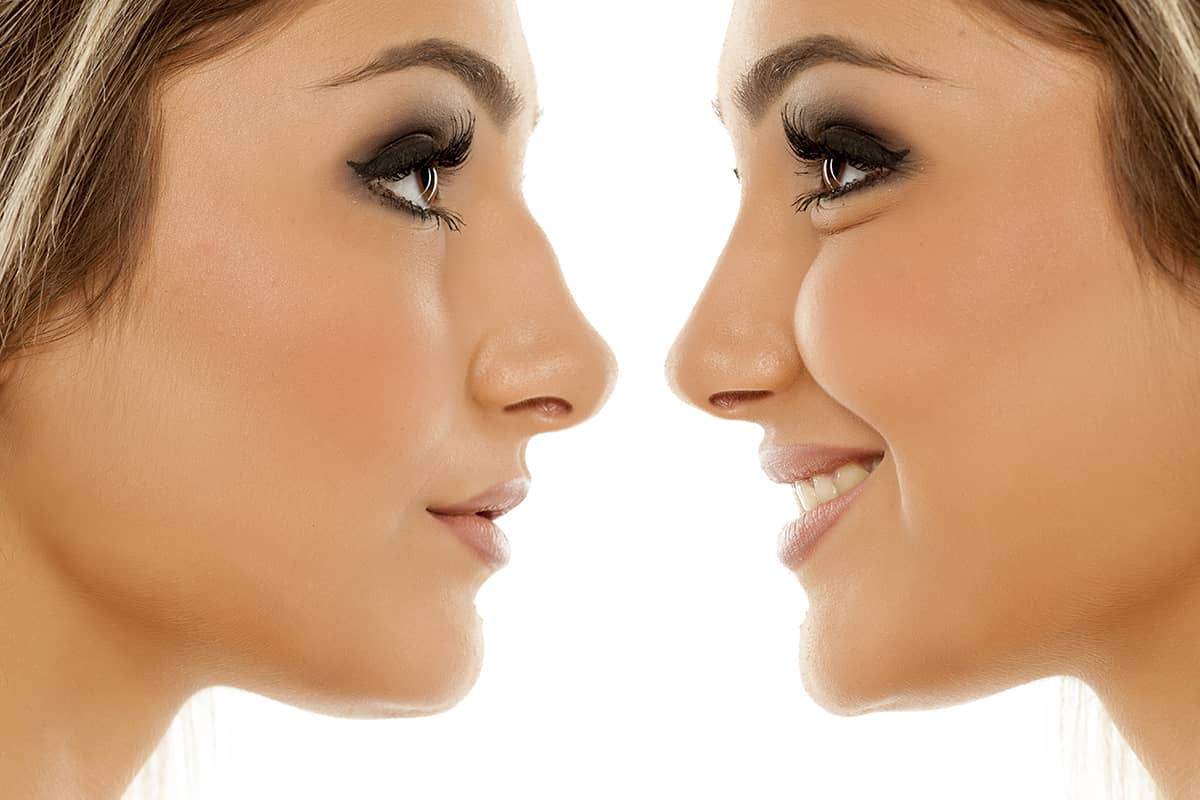
Some people are bothered by the size or positioning of the bridge of their noses. For some people, the bridge is lower or wider than they’d like, making the eyes look spaced far apart. Conversely, people with a nose bridge that they feel is too high might have eyes that look too close together.
Nasal bridge surgery is a common rhinoplasty procedure that can help improve the nose’s appearance. To correct a low or wide bridge, a nose surgeon usually builds up the area with cartilage taken from another part of the nose and grafted onto the bridge. In the case of a high bridge, rhinoplasty typically involves shaping the nasal bones so that they become smaller or less raised. Depending on the patient’s goals, this can make a big difference in how the nose looks and bring it into better balance with the rest of the face.
Reshaping the Nose Tip Proportion
The tip of the nose affects more than the nose itself. It also changes how the rest of the face looks. People considering rhinoplasty often have one of two complaints about the tip of their noses.
The first complaint is that the tip is droopy or seems to sag downward. Some people naturally have a downward-pointing nasal tip, while others develop a droopy tip as part of the aging process. A nasal tip that droops can add years to your appearance. It can also create the illusion that your lips are thinner, as the drooping tip minimizes the space between the base of the nose and the top of the mouth.
People who have thick skin are more likely to have a drooping tip than people with thinner skin, as thick skin weighs more and puts more downward pressure on the cartilage. Certain facial movements, repeated over years and years, can also make the nasal tip point downward.
Nose job surgery to correct a drooping tip usually involves repositioning the tip, so it is higher on the nasal structure. A non-surgical rhinoplasty, using fillers, can also help to elevate a drooping tip, but the results aren’t permanent.
A bulbous tip is another issue that people often want to fix with nasal surgery. A bulbous nose can develop because of the thickness of the skin or due to the structure of the nose. Surgery to minimize the bulb on the end of the nose often involves reducing the amount of cartilage in the tip.
Book a Consultation
Thinking about rhinoplasty? Meet Dr. Shervin Naderi, double board-certified facial plastic surgeon, at our offices in Reston, VA and Chevy Chase, MD.
Book a ConsultationLearn about rhinoplasty
Call Reston (703) 481-0002 or Chevy Chase (301) 222-2020.
Nose Humps or Bumps Removal
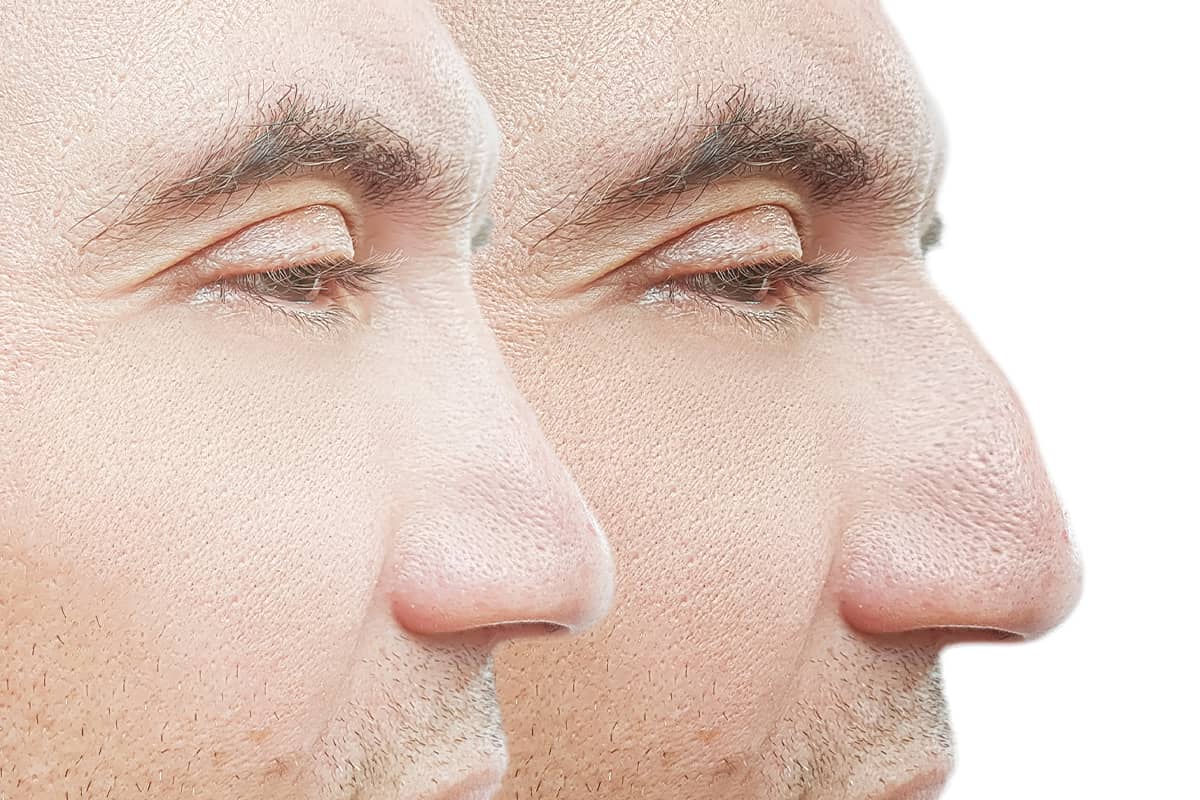
Some noses have bumps or humps on them, areas of raised cartilage that can make the nose look crooked or uneven. Bumps and humps can be part of the nose since birth, or they can appear as a person gets older and loses some of the fat from the area around the nose. Depending on how prominent the humps or bumps are, they can make a person feel very self-conscious about their nose.
Rhinoplasty can help to minimize or eliminate humps and bumps by smoothing them down or filing them away. A non-surgical rhinoplasty can also help to reduce the appearance of bumps and humps, at least temporarily, by filling in the area around them so the profile looks smoother.
Altering Nostril Size and Shape
Some people have wider nostrils than others or have nostrils that aren’t symmetrical. Overly-large or uneven nostrils can pull attention away from other areas of the face, such as the eyes. During the procedure, your rhinoplasty surgeon can reduce the width of the nostrils by removing small amounts of tissue. Usually, the incisions are made on the inside of the nose so that any scarring is on the inside and not visible.

See the Doctor
Questions about what you just read? Ask Dr. Naderi in person. Book a consultation in Reston or Chevy Chase, or start with a virtual consultation from home.
Book a ConsultationVirtual consultation
Call Reston (703) 481-0002 or Chevy Chase (301) 222-2020.
Frequently Asked Questions
What parts of the nose can rhinoplasty change?
Rhinoplasty can raise or reduce the bridge, remove a hump or bump, lift a drooping tip, refine a bulbous tip, and narrow wide or uneven nostrils. Dr. Naderi plans these changes around the balance of your whole face.
Can filler fix my nose without surgery?
A non-surgical rhinoplasty with filler can lift a drooping tip or smooth the look of a hump, but the results are temporary. Restylane is the practice’s preferred filler for this. Filler adds volume, so it cannot make a nose smaller; that takes surgery.
Can rhinoplasty fix a bulbous tip if I have thick skin?
Often, yes, although thick skin limits how much definition will show. Surgery usually reduces some of the cartilage in the tip. For thicker skin, the practice encourages taping after surgery, and Accutane can be started a few months before rhinoplasty to help.
How long is recovery after rhinoplasty?
The surgery takes about 2 hours under general anesthesia. The nasal cast stays on for 5 to 10 days, most patients need a week off work, and exercise waits about a month.
How old do you have to be to get rhinoplasty?
The minimum age at The Naderi Center is 14, but maturity matters more than the number. Dr. Naderi makes sure the decision is the patient’s own, and he sometimes asks younger patients to come back for another conversation or to wait a year or two.
How do I know if I need rhinoplasty?
Rhinoplasty may be right for you if you have a wide nose or a structural problem that affects the nose, or if you simply want a more refined shape. If you have already had a rhinoplasty and are unhappy with how your nose looks, revision rhinoplasty may be an option, and many of Dr. Naderi’s patients come to him specifically for revision surgery. He also performs a high volume of ethnic rhinoplasty, which refines the nose while keeping it in harmony with the patient’s heritage and facial features.
A consultation with an experienced facial plastic surgeon is the best way to find out whether rhinoplasty makes sense for you. Dr. Naderi will examine your nose and the rest of your face, talk through what can realistically be changed, and explain the risks and what recovery involves. He is never quick to operate, and he will tell you if he thinks surgery is not in your best interest. The final decision is yours, and it should rest on your own goals.
If a nasal hump, the size of your bridge, or the shape of your tip or nostrils bothers you, Dr. Shervin Naderi can help you plan a rhinoplasty around your specific concerns. Dr. Naderi is a double board-certified facial plastic surgeon with 20+ years of experience and a strong surgical focus on rhinoplasty, and he sees patients in Reston, VA and Chevy Chase, MD. To learn more about your rhinoplasty options and to see which one is right for you, call 703-481-0002 (Reston, VA Office) or 301-222-2020 (Chevy Chase, MD). You can also contact us online for more information.

Patient Financing
Pay Over Time with Cherry
Monthly payment plans for surgery and treatments, including 0% APR options for qualifying patients. Checking whether you qualify won’t affect your credit score.