When it comes to rhinoplasty, the goal is to refine and reshape the nose while keeping the natural structure it needs to hold up over time, not simply to remove cartilage and bone. That idea is behind preservation rhinoplasty, which has drawn attention worldwide. Surgeons who use it leave as much of the nose’s own bone and cartilage intact as possible.
At The Naderi Center for Plastic Surgery and Dermatology, Dr. Shervin Naderi, a double Board-Certified Facial Plastic Surgeon and an ENT surgeon, offers “Hybrid Rhinoplasty,” which combines preservation rhinoplasty with structural rhinoplasty. It keeps what already works in the nose and adds structural support where it is needed for a lasting result, with less trauma to the tissues, less downtime and a natural, balanced look.

What Makes the Preservation Rhinoplasty Procedure Different?
- Preservation rhinoplasty changes the shape of the nose, but it keeps the original framework and character.
- The method can reduce swelling, bruising and healing time, so recovery is often easier.
- Dr. Naderi uses a hybrid method that mixes preservation work with structural support to give both a good appearance and function.
- Each operation is planned around the patient’s features and goals.
- Knowing when preservation is the right choice, and when it is not, takes an experienced facial plastic surgeon.
What Is “Preservation Rhinoplasty?”
Preservation rhinoplasty is based on an old principle that has come back into favor: leave as much of the native nasal structure intact as possible and avoid the destructive “reductive rhinoplasty” methods of past decades. Today the term covers techniques that reshape the nose while preserving the soft tissue, ligaments and key nasal structures, especially along the dorsum (the bridge of the nose).
Preservation vs. Traditional Rhinoplasty

Unlike traditional rhinoplasty, which often involves removing bone and cartilage from the top of the nasal bridge (commonly known as ‘hump removal’), preservation rhinoplasty works by modifying the nose from underneath, lowering the nasal bridge while leaving the top surface mostly intact. This creates a smoother, more natural contour reducing chances for sharp edges or the risk of visible irregularities on the bridge.
As Dr. Naderi explains, “Preservation rhinoplasty is not about doing less. It’s about doing things differently. It’s about achieving the same goals of refinement and balance, but with a different approach that respects the patient’s natural anatomy.”
Historical Roots and Modern Revival
The idea of preservation rhinoplasty is not new. Surgeons in France and Spain began to use it in the early 20th century. They kept most of the nose’s own architecture, so the result still looked like the patient’s nose. New tools and a clearer grasp of nasal anatomy have brought the method back. A number of leading rhinoplasty surgeons now choose it again.
Book a Consultation
Thinking about rhinoplasty? Meet Dr. Shervin Naderi, double board-certified facial plastic surgeon, at our offices in Reston, VA and Chevy Chase, MD.
Book a ConsultationLearn about rhinoplasty
Call Reston (703) 481-0002 or Chevy Chase (301) 222-2020.
Dr. Shervin Naderi: Rhinoplasty Expert Surgeon with 20+ Years of Experience
Dr. Shervin Naderi has more than 20 years of experience with a strong surgical focus on rhinoplasty. Over that time he has performed thousands of nose operations and learned many techniques, so he can choose the one that fits each patient’s features. He keeps refining his methods every year. He is experienced in both open and closed nose job techniques. His double board certification in facial plastic surgery and otolaryngology (ENT) means he treats breathing problems as well as appearance. When a patient needs functional repair, that portion of the surgery may be covered by insurance if the practice is in network with the patient’s plan.
At The Naderi Center, Dr. Naderi does not believe in only one surgical approach for all patients. He chooses the method that fits each patient. If a nose needs preservation rhinoplasty, he uses it; if it needs traditional structural work, he does that instead. Some noses need the open approach, some need the closed or scarless rhinoplasty. His goal stays the same: a nose that looks natural, breathes well and holds its shape over time.
Who Is an Ideal Candidate for Preservation Rhinoplasty?
The technique suits only some people, and that is fine. It gives the most predictable result when the nose already shows:
- Ideal Brow-tip aesthetic lines
- A dorsal hump that is prominent but structurally suited for preservation
- Good skin elasticity
- Minimal prior nasal trauma or surgery
Preservation rhinoplasty suits first-time patients who want only a small, natural change, not a big one. Dr. Naderi reshapes the nose but leaves its original character intact, which suits patients who say, ‘I don’t want a new nose; I want a better version of my nose.’
When Traditional Rhinoplasty Surgery Is Still Necessary
Preservation nose surgery helps many patients, but it does not suit every case. The traditional method remains the better choice if the nose shows any of the following:
- Severe trauma or a broken nose
- Previous surgeries requiring revision rhinoplasty
- Complex tip reshaping needed
- Thick skin with poor elasticity
- Severe asymmetries
In these cases, standard rhinoplasty is not ‘worse’. It is simply the right tool for that nose. As Dr. Naderi explains, “Sometimes the best approach is preservation. Other times, the safest and most predictable outcome comes from traditional structural rhinoplasty. It’s about knowing which technique will serve the patient best, not forcing one method on everyone.” For most patients, though, Dr. Naderi uses his “Hybrid Rhinoplasty” approach, which combines the two.

Rhinoplasty on a patient with a dorsal hump and tip asymmetries.

Trust your nose to a true specialist.
Schedule a one-on-one consultation with Dr. Naderi to discuss your customized rhinoplasty plan.
Risks and Limitations of the Preservation Nose Job
As with any surgical procedure, preservation rhinoplasty carries risks, including:
- Incomplete hump correction or hump recurrence if the patient’s anatomy is not ideal for the technique
- The potential need for revision in rare cases
- Persistent asymmetries if the nose was significantly crooked to begin with
- Limitations in making extreme aesthetic changes
That is why experience matters. Dr. Naderi gives each patient an honest assessment at the consultation so expectations are realistic. He uses ultrasonic rhinoplasty and preservation techniques for select patients, but he does not use either term as a marketing tool. He plans and performs the surgery that suits each patient’s nose.
The Naderi Center’s Superior Recovery Protocol

Dorsal preservation, tip rotation with improved support, osteotomies and septoplasty to bring the nose closer to the facial midline.
One of the hallmarks of The Naderi Center is a recovery plan for nose surgery that aims to reduce bruises, puffiness and pain. Patients who choose either the preservation method or the structural method receive the same careful aftercare.
- An anti-bruising, anti-bleeding diet starting two weeks before surgery
- Arnica supplements to reduce postoperative bruising and inflammation
- A low-dose steroid regimen to accelerate healing and minimize swelling
- Taping protocols to help guide the healing process
- Strict lifestyle modification instructions to prevent complications
As Dr. Naderi emphasizes, “Surgery is just one part of the journey. How you heal and recover is just as important as how well the surgery is performed. That’s why our patients follow a meticulous recovery plan designed to give them the best possible outcome.”
Timing Is Everything: Why Dr. Naderi Encourages Patience
Unlike some cosmetic practices, Dr. Naderi does not push anyone toward surgery. He asks patients to book surgery only once they are ready to follow the routine before and after the operation, because that routine affects how well the nose heals and how stable the result is. He also makes sure patients understand how long healing takes, and he gives them detailed instructions for the days before and after surgery.
Why The Naderi Center?
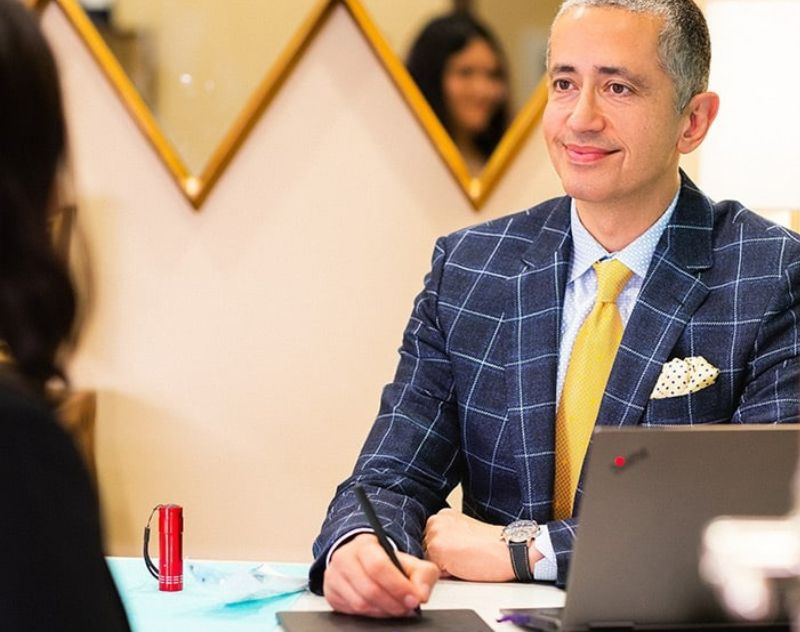
Patients travel to The Naderi Center from across the country and abroad to see Dr. Naderi. He is a rhinoplasty specialist, and his surgical practice is devoted entirely to the face, so he performs preservation, structural and revision rhinoplasty regularly and can choose among them for each nose. Out-of-town rhinoplasty patients stay about a week after surgery and have a nursing concierge service during recovery.
Schedule Your Consultation
If you are considering a nose job and want to know whether a preservation or hybrid method suits you, book a visit with Dr. Shervin Naderi at The Naderi Center in Chevy Chase, Maryland or Reston, Virginia. He is double board-certified, treats both breathing and appearance, and will give you an honest opinion about what your nose needs.
See the Doctor
Questions about what you just read? Ask Dr. Naderi in person. Book a consultation in Reston or Chevy Chase, or start with a virtual consultation from home.
Book a ConsultationVirtual consultation
Call Reston (703) 481-0002 or Chevy Chase (301) 222-2020.
Preservation Rhinoplasty FAQs

Patient Financing
Pay Over Time with Cherry
Monthly payment plans for surgery and treatments, including 0% APR options for qualifying patients. Checking whether you qualify won’t affect your credit score.