The UltraClear® Laser treatment resurfaces the skin deeply enough to make a visible difference, with a recovery most patients find manageable. Patients from Washington DC, Northern Virginia and Maryland come to The Naderi Center for Plastic Surgery & Dermatology for UltraClear to improve skin tone and texture, fine lines and sun damage. The treatment is safe on all skin types.
How you care for your skin in the first ten days has a real effect on the result, and the improvement keeps building for months afterward.
“The recovery phase is where the treatment truly pays off,” explains Dr. Shervin Naderi, double board-certified facial plastic surgeon and founder of The Naderi Center. “UltraClear is designed to balance powerful resurfacing with controlled healing, which allows patients to recover efficiently while still seeing meaningful skin improvement.”

What Patients Should Know About Post-Laser Treatment
- UltraClear® resurfaces the skin with a recovery time you can plan around.
- The skin undergoes a healing and renewal process. Expect redness, swelling and peeling for about 5 to 7 days after a lighter treatment and 7 to 10 days after a deeper one.
- Patients need to follow proper aftercare instructions, which include using gentle skincare products and protecting their skin from sunlight and staying away from high temperatures.
- Most patients are back to their routines in about a week, and the skin keeps improving for months as new collagen forms.
- Every patient goes home with an aftercare kit and written instructions matched to the depth of their treatment.
What Is UltraClear® Laser?
UltraClear® is a next-generation cold ablative fiber laser that resurfaces the skin with precision while minimizing excess thermal injury. Its depth is set for each patient, and that depth largely decides how long recovery takes.
This flexibility makes UltraClear ideal for patients seeking everything from light refreshment to deeper resurfacing, depending on their goals, skin type, and lifestyle.
“One of the strengths of UltraClear is that we can adjust the intensity of treatment,” says Dr. Naderi. “That customization directly impacts recovery time and allows us to meet patients where they are.”
Book a Consultation
Thinking about UltraClear laser resurfacing? Our physicians see patients at our offices in Reston, VA and Chevy Chase, MD.
Book a ConsultationLearn about UltraClear laser resurfacing
Call Reston (703) 481-0002 or Chevy Chase (301) 222-2020.
The Early Recovery Timeline After UltraClear® Laser
Following treatment, the skin enters a structured healing sequence that supports resurfacing and collagen remodeling. Each phase builds upon the previous one, contributing to gradual and continued improvement.

Immediate Post-Treatment Experience (Days 1–3)
Immediately following UltraClear Laser treatment, patients typically experience redness, warmth, and a sunburn-like sensation. Swelling is common, especially around the eyes and mouth.
These effects are expected and temporary. Most patients are advised to rest, avoid heat exposure, and keep the skin well-lubricated with physician-recommended healing ointments.
“Patients are often surprised by how manageable the first few days are,” notes Dr. Naderi. “With proper skincare and hydration, discomfort is usually mild and short-lived.”

The Healing Phase (Days 4–10)
As healing progresses, the skin may begin to darken and develop a sandpaper-like texture. This is a normal sign of microscopic skin turnover.
Flaking and peeling typically occur between days four and seven as damaged skin sheds and new skin emerges underneath.
“It’s critical not to pick or scrub during this stage,” Dr. Naderi emphasizes. “Letting the skin exfoliate naturally protects the integrity of the results.”
Caring for Your Skin at Home After UltraClear
Every patient goes home with an aftercare kit and written instructions, and deeper treatments come with a fuller kit. Follow those instructions rather than advice from friends or what you read online; they are written for this laser and for the depth of your treatment.
A few things matter most in the first week:
- Don’t let the skin dry out. Cleanse gently as directed and reapply the healing ointment whenever the skin starts to feel tight.
- Know what’s normal on day one. After deeper settings, pinpoint bleeding, a little oozing and a bronze tint to the skin are expected.
- Sleep with your head raised for the first few nights, and use cool compresses to calm swelling and heat.
- Leave the peeling alone. As the treated skin peels, it can look rough and brownish, a bit like coffee grounds. Let it shed on its own, because picking or rubbing keeps the skin red longer and raises the risk of dark spots.
- Stay out of the sun. Avoid direct sun for three months. Once the skin has healed, wear a broad-spectrum SPF 50 or higher every day and a wide-brimmed hat outdoors.
Most patients find the discomfort easy to manage. If the skin looks infected (spreading redness, yellow crusting or increasing pain) or you run a fever over 101°F, call the office instead of waiting for your next visit.
Redness, Sensitivity, and Skin Renewal
After peeling subsides, patients may notice lingering redness or pinkness, particularly following deeper treatments. This gradually fades over several weeks.
During this phase, the skin is more sensitive to sun exposure, heat, and harsh skincare products.
“Sun protection is non-negotiable after UltraClear,” says Dr. Naderi. “Consistent sunscreen use is essential to prevent pigment changes and protect your result.”
When Can Patients Return to Work and Social Activities?
Return to work depends on the depth of treatment. After a lighter treatment, most patients are back at work within 5–7 days; after a deeper treatment, plan on 7 to 10 days.
Makeup can typically be applied once the skin has fully re-epithelialized and peeling has resolved.
“We guide patients carefully on when it’s safe to return to normal routines,” Dr. Naderi explains. “The goal is healing without compromising results.”
Experience UltraClear® with Expert Precision
Schedule your consultation at The Naderi Center and receive a personalized approach to treatment and recovery.
Is UltraClear Safe for Darker Skin?
Yes. UltraClear is safe on all skin types, including darker skin tones. Many people with darker skin assume laser resurfacing isn’t an option for them. With UltraClear, it is.
Safe still requires care. With any laser resurfacing, the main risks are post-inflammatory hyperpigmentation (skin that darkens after the inflammation of healing) and scarring, especially in inexperienced hands. That is why the consultation looks closely at your skin type, how your skin has reacted to past injuries or treatments, and any history of melasma or hyperpigmentation. The settings come from that assessment, not from a standard preset.
For darker skin, recovery deserves extra attention. Strict sun avoidance and leaving the peeling skin alone matter even more, because sun and irritation during healing can trigger dark patches. If the treated skin starts to look darker instead of fading from pink back to normal, let us know early.
Long-Term Results and Skin Improvement
Collagen remodeling continues for several months after UltraClear treatment. Patients often notice ongoing improvements in skin firmness, texture, and clarity.
Fine lines soften, pigmentation evens out, and overall skin quality continues to improve well beyond the initial recovery phase.
“What you see at two weeks is only the beginning. The real measure of UltraClear is how your skin looks at three, six, and twelve months,” says Dr. Naderi.


Before Your Treatment: Steps That Make Recovery Easier
Full UltraClear treatments are done at our Reston office. Consultations are available in both Reston and Chevy Chase, and that visit is where the depth of treatment, and with it your downtime, is decided. If acne scars are your main concern, our guide to acne scar laser treatment explains the options.
- Alastin Regenerating Skin Nectar (optional). We recommend starting it 3 to 4 weeks before treatment. It isn’t required, but it helps build collagen and tends to make healing faster. Most patients keep using it during recovery.
- Antiviral medication. Resurfacing can set off a cold sore, so you will be prescribed an oral antiviral. If you have had cold sores before, you start it 3 days before treatment; otherwise you start on treatment day.
- Your medication list. Tell us everything you take, supplements included, so we can catch anything that could interfere with treatment or healing. We will also tell you which skincare products, such as retinoids and exfoliating acids, to stop beforehand.
- Numbing cream, not anesthesia. No anesthesia is needed. Plan to arrive about an hour early so the numbing cream has time to work.
- A ride home. Arrange for a responsible adult to take you home. An Uber or taxi is fine only if that adult rides with you.
Why Choose The Naderi Center for UltraClear® Laser?
The Naderi Center provides UltraClear Laser treatments to patients from Washington DC, Northern Virginia and Maryland. Consultations are available at our offices in Reston, Virginia and Chevy Chase, Maryland, and the treatment itself is done at the Reston office. The treatment plan for each patient is developed according to their specific skin type, daily activities and desired aesthetic results.
“Technology matters, but expertise matters more,” concludes Dr. Naderi. “When UltraClear is paired with thoughtful planning and proper recovery guidance, patients get a clear improvement that still looks like their own skin.”
About The Naderi Center for Plastic Surgery & Dermatology
The Naderi Center for Plastic Surgery & Dermatology provides multiple aesthetic medical services to residents of the Washington DC metropolitan area. The Center provides advanced surgical and non-surgical treatment options that focus on facial plastic surgery and dermatology while delivering continuous patient care. Each of our providers focuses on specific treatments.
Make Your Appointment with Specialists
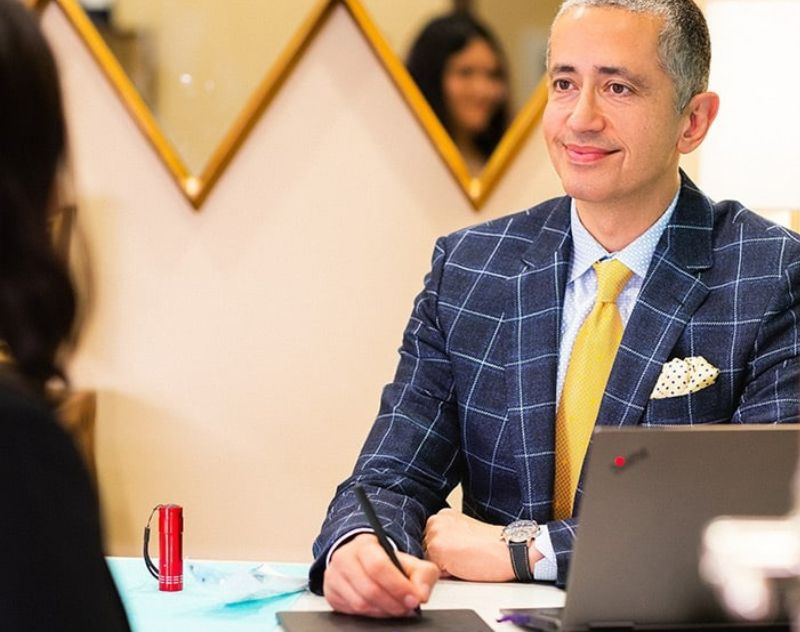
The process of receiving UltraClear® Laser treatment begins with a personalized consultation that our experienced specialists will conduct. The appointment will involve an assessment of your skin condition and a discussion of your goals that will result in a personalized treatment plan. The Naderi Center offers options for scheduling your appointment: you can either call us or use our online consultation request form.
See the Doctor
Questions about what you just read? Ask our doctors in person. Book a consultation in Reston or Chevy Chase, or start with a virtual consultation from home.
Book a ConsultationVirtual consultation
Call Reston (703) 481-0002 or Chevy Chase (301) 222-2020.
UltraClear® Laser Recovery FAQs

Patient Financing
Pay Over Time with Cherry
Monthly payment plans for surgery and treatments, including 0% APR options for qualifying patients. Checking whether you qualify won’t affect your credit score.